
Ministry of Finance, Planning, and Economic Development is prioritizing the rebuilding and promotion of capital markets to provide long-term debt and equity financing, with a focus on supporting small and medium enterprises (SMEs) and fostering innovation through venture capital.
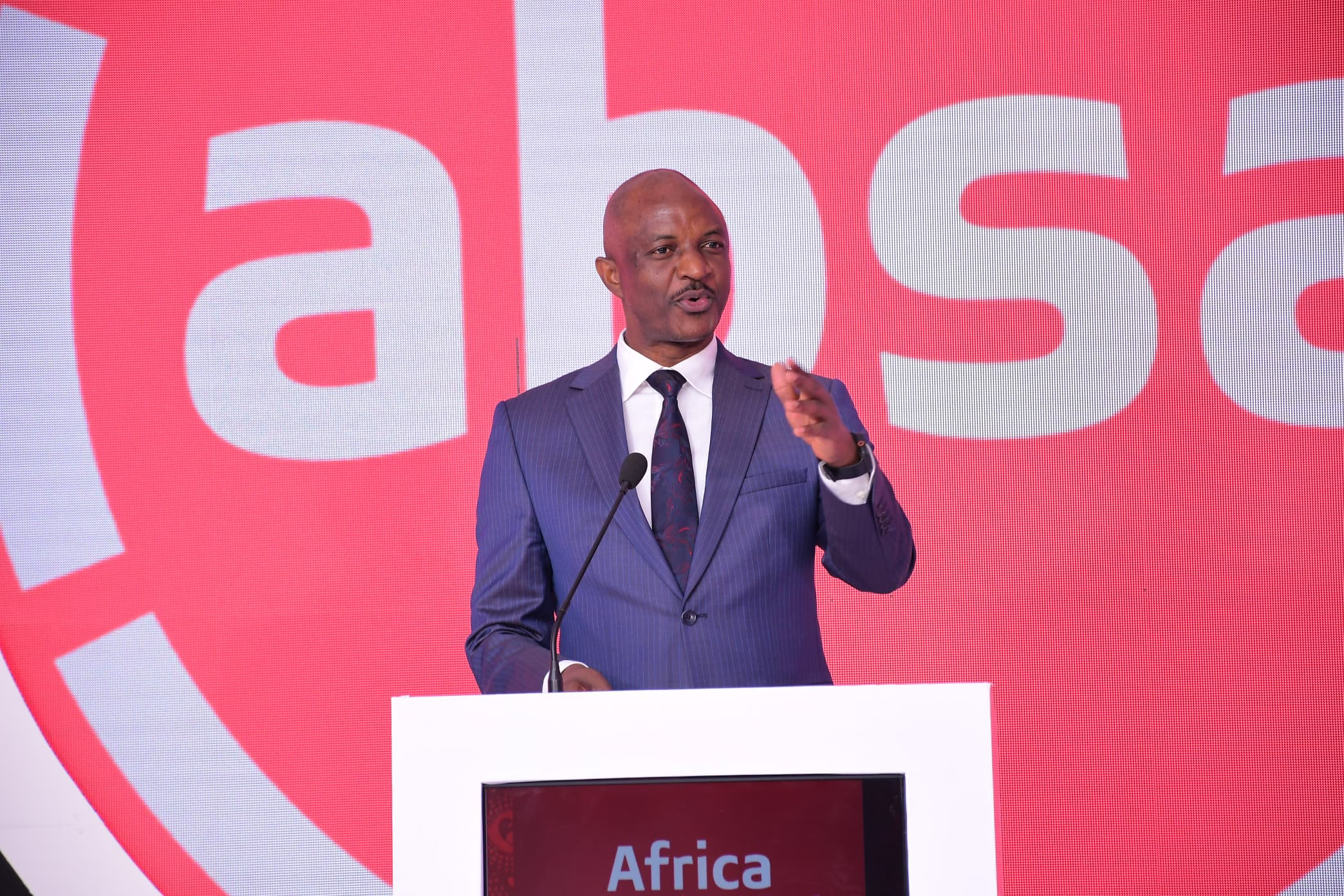
This announcement was made by Ramathan Ggoobi, Permanent Secretary to the Treasury, at the Absa Africa Financial Markets Index and Economic Outlook Forum held at Absa Bank in Kampala on Tuesday, 27th January, 2026.
Ggoobi explained that the Ministry is exploring the creation of an SME-focused stock exchange to allow companies that do not meet main-board listing requirements to access financing.
He also highlighted efforts to attract venture capital, which supports higher-risk innovation with lower collateral requirements.
“While global financial tightening, geopolitical tensions, and shifting trade dynamics present challenges, they also create opportunities for economies with deepening markets,” Ggoobi said.
The PS to the Treasury added that Uganda remains committed to being among the region’s leading economies, with growth projected at 6.5% to 7% in 2026, even during an election year, and continues to rank among the fastest-growing economies in Africa and globally thanks to careful macroeconomic management.
He further praised regulators and market institutions for Uganda’s improved performance on the Africa Financial Markets Index, where the country rose to 3rd place, behind South Africa and Mauritius, reflecting sustained reforms and prudent macroeconomic discipline.
At the same forum, Michael Atingi-Ego, Governor of Bank of Uganda (BOU), highlighted that monetary tightening in advanced economies and growing geopolitical fragmentation continue to pose challenges for emerging and frontier markets.
However, he noted that Uganda advanced to a score of 66 points, up from 10th place in 2018, signaling progress in financial market development.
The Bank of Uganda’s 2022–2027 strategic targets include achieving a financial inclusion index of 75%, an e-payments index of 46%, and continued growth in financial markets, with some targets already surpassed.
Atingi-Ego emphasized that recent gains are the result of reforms across core market infrastructure, including money market deepening, and reflected collective effort by government, regulators, Parliament, and market participants.
“While significant progress has been made, pension fund development remains Uganda’s most underdeveloped pillar, and much of the existing market infrastructure is still underutilized,” the BoU Governor stated.
“Mobilizing more long-term capital is therefore essential to fully unlock the country’s market potential,” he added.
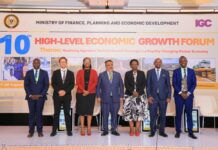
The forum brought together policymakers, regulators, and market leaders to discuss trends, risks, and opportunities shaping Africa’s financial landscape and strategies to ensure sustainable economic growth.
By focusing on SMEs, innovation, and long-term capital mobilization, the country aims to not only sustain robust economic growth but also strengthen its position as one of Africa’s fastest-growing and most dynamic economies.