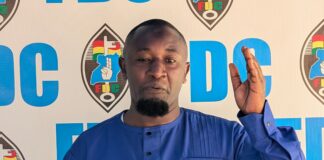


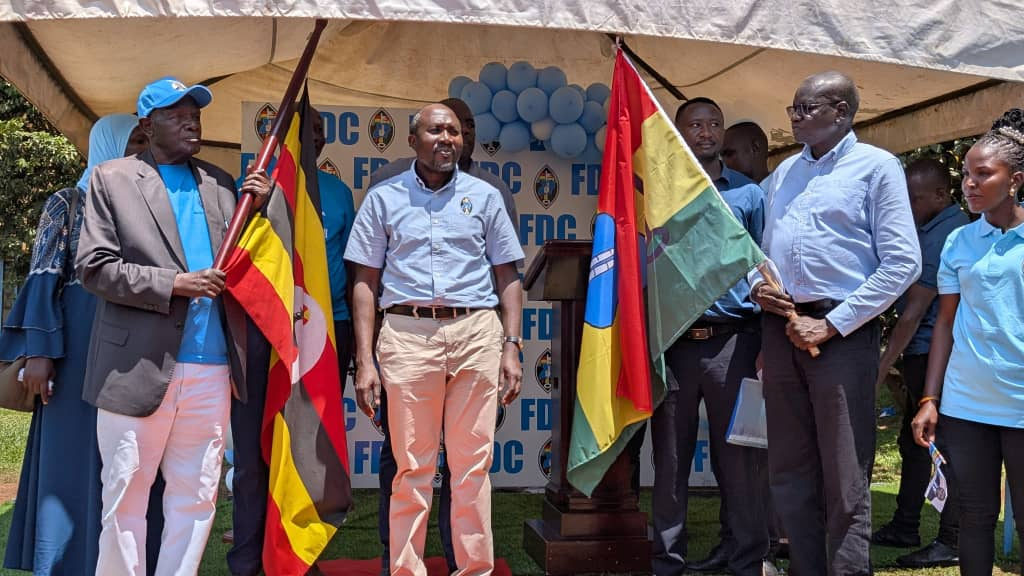
The Forum for Democratic Change (FDC) has rejected the results of the January 2026 presidential elections, citing widespread irregularities, intimidation, and arrests of opposition supporters and civil society activists by state security agencies during elections.
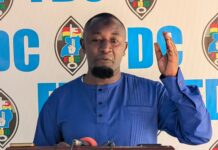
Speaking in Mbale city on Tuesday, February 3rd, 2026, Nathan Nandala Mafabi, the FDC presidential flag bearer, described the elections as a ritual orchestrated by security forces to facilitate President Museveni’s 7th term in office.
“From the start, our campaigns faced violence from the army, Police, DISO, GISO, and other security agencies, including disruptions at our rallies,” Nandala said.
He maintained that the election results lacked credibility and did not reflect the will of Ugandans.
“FDC fully rejects the presidential election results, which we believe are flawed and do not reflect the true will of the Ugandan people. We will support candidates who challenge the parliamentary and local government outcomes in court once the Gazette is issued,” Nandala added.
He further called for the resignation of Justice Simon Byabakama, accusing him of declaring manufactured election results and leading a partisan Electoral Commission.
Supporting these concerns, Patrick Oboi Amuriat, the former FDC president, urged the government to release all political prisoners held for their beliefs and political activities.
He also emphasized the need for unity among pro-democracy forces to reclaim Uganda.
“FDC remains open to cooperating with other pro-democracy formations and individuals working towards the total liberation of Uganda. We call upon our colleagues to embrace unity in diversity in our pursuit of a better Uganda,” Amuriat said.
Despite allegations of widespread irregularities in parliamentary and local council elections, Nandala noted that the FDC managed to secure only nine parliamentary seats, a steep decline from the 29 seats won in the 11th Parliament.
Political analysts attribute the drop to internal party divisions and the emergence of the People’s Front for Freedom (PFF), which captured two seats.
The FDC’s rejection of the presidential election results highlights ongoing tensions in Uganda’s political landscape, as the party signals its intent to pursue legal challenges and strengthen collaboration with other pro-democracy forces.
Observers note that the outcome highlights the challenges facing opposition parties, including internal divisions and competition from emerging political formations, as Uganda prepares for future electoral contests.