

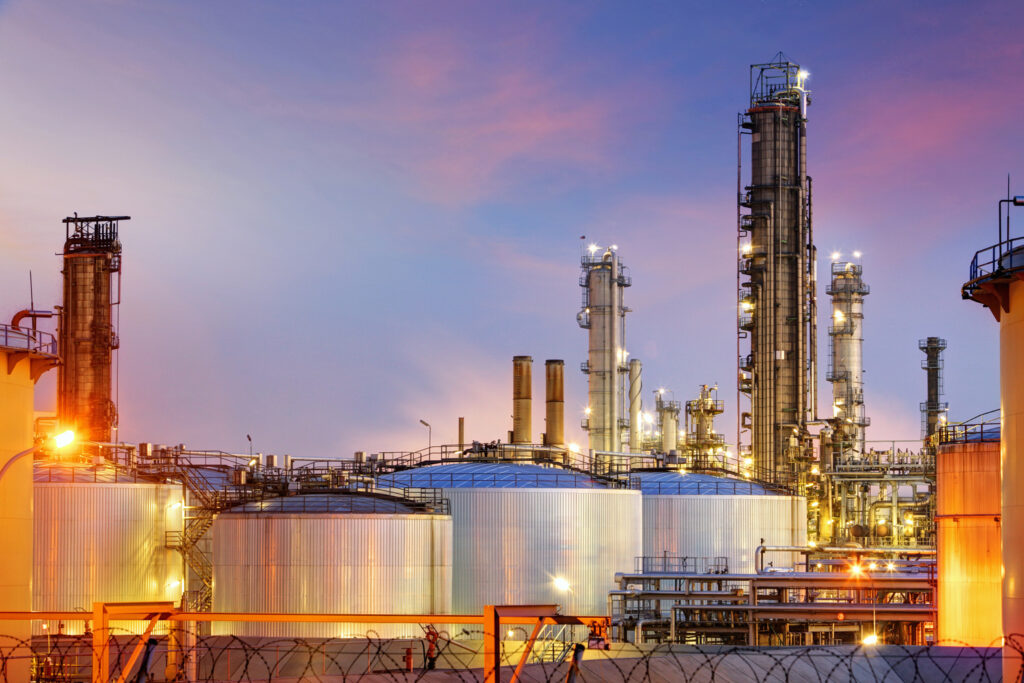
Uganda is caught in a punishing economic paradox. Even when global crude oil prices experience downward trends, local retail stations routinely maintain high diesel prices.
For the ordinary citizen watching the cost of food climb at markets like Nakasero,Kitoro, Abaita Ababiri it feels like an outright extraction.
The reality on this is that Uganda is fighting a war on two fronts, imported supply chain lags and a heavily pressured Shilling. Local fuel prices do not move at the speed of global headlines.
As regional energy experts note, the prices Ugandans pay at the pump are determined by historical procurement cycles, the exchange rates used to clear past dollar invoices, and regional transit bottlenecks through neighboring corridors.
The domestic effects and damage are best captured by hard data from the Uganda Bureau of Statistics (UBOS). When fuel costs surge, the impact on basic commodities is immediate because diesel is the literal engine of food logistics.
During major fuel shocks, UBOS data shows that solid fuel and transport inflation can easily push headline inflation past the central bank’s 5% target.
For instance,in the October 2026 Consumer Price Index (CPI) report, UBOS tracked annual diesel inflation surging by up to 49.2%, which directly forced food crop inflation to more than double to 10.7% as transport costs trickled down to staples like beans and matooke.
To combat these imported shocks, the Bank of Uganda (BoU) is forced to step in with aggressive monetary tightening.
In official Monetary Policy Statements, Bank of Uganda Governor Michael Atingi-Ego has explicitly warned of these overlapping vulnerabilities, stating, “The exchange rate depreciation and higher global energy prices, arising from the Middle East conflict, have added to inflationary pressures.”
Therefore, when the central bank rings this alarm, its primary goal is to protect the currency Because Uganda must purchase its fuel using US dollars, a weakening Shilling makes the next shipment of oil even more expensive.
The bitter pill is that BoU’s remedy raising commercial bank lending limits and driving prime borrowing rates toward 22% is a deliberate move to slow down the economy.
As Governor Atingi-Ego has observed, “Inflation has edged up, and several upside risks have materialised.”
By making credit expensive, BoU attempts to mop up excess cash to stabilize prices. It protects the Shilling, but it painfully squeezes local traders caught between expensive transit and high loan repayments.
Until local supply chains clear and dollar inflows stabilize, Ugandans will continue to pay a heavy domestic penalty for a global crisis.
Ultimately, Uganda’s landlocked geography creates a severe logistical lag, forcing local fuel stations to sell inventory transported over 1,100 kilometers from East African ports.
This reliance on Mombasa and Dar es Salaam means any port clearance delays, pipeline tariffs, or cross border trucking fees instantly inflate the local retail price. This heavy reliance on imported goods, combined with a lack of control over global oil prices and the US dollar, leaves the nation structurally vulnerable to imported inflation.