The Bank of Uganda Governor, Dr. Michael Atingi-Ego has said that monetary policy interventions have helped stabilise the Uganda shilling and attracted foreign investors back into the country’s securities market. He, however, warned that lasting currency stability will depend on increased exports and domestic production.
Atingi-Ego told Parliament that the Central Bank’s recent monetary policy interventions have eased pressure on the Uganda shilling and restored confidence among offshore investors who had previously withdrawn from the country’s securities market.
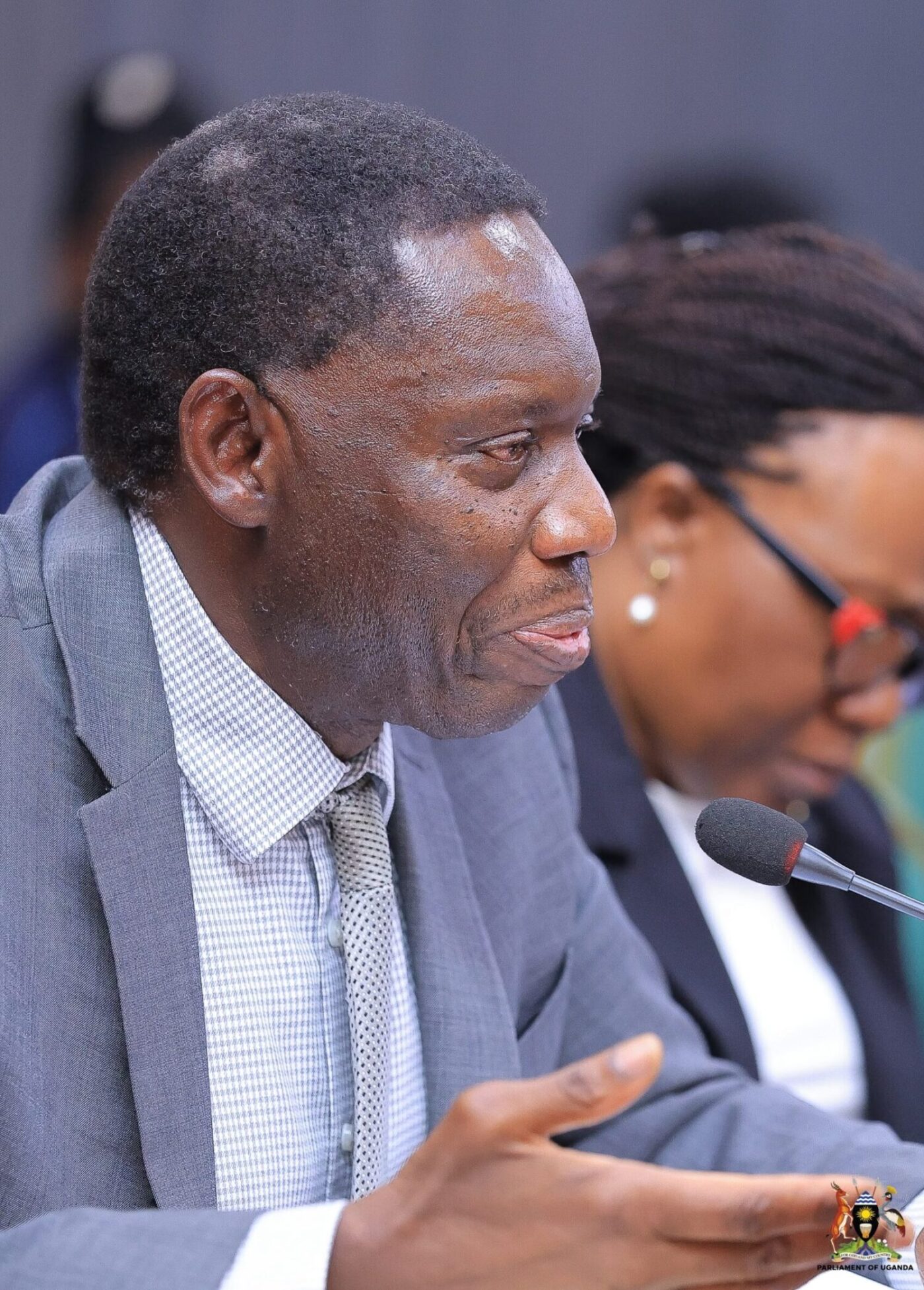
Appearing before the Committee on Commissions, Statutory Authorities and State Enterprises (COSASE), chaired by Muwada Nkunyingi, Atingi-Ego said the bank’s most recent government securities auction attracted foreign investors who had earlier sold off their Ugandan investments amid growing pressure on the local currency.
He attributed the depreciation pressure partly to an increase in the United States Federal Reserve’s policy rate, which made dollar-denominated assets more attractive to international investors than Ugandan government securities.
“When the US Federal Reserve raised its policy rate, holding US dollar assets became much more attractive compared to Uganda. As a result, some non-resident holders of Ugandan government securities began selling off their shilling securities and buying dollars, adding depreciation pressure on the shilling,” Atingi-Ego said.
Atingi-Ego said reduced foreign capital inflows helped weaken the shilling to nearly UGX 4,500 against the US dollar, prompting the Central Bank to introduce measures to reduce excess liquidity in the financial system.
One of the key interventions was increasing the Cash Reserve Ratio (CRR), the proportion of commercial banks’ customer deposits that must be held at the Central Bank, from 11 percent to 13.5 percent.
According to the Governor, the adjustment helped absorb approximately UGX 1.3 trillion from the banking system, reducing the amount of shillings circulating in the market.
“Because there were excess shillings, the first thing we did was to raise the Cash Reserve Ratio (CRR). We raised it from 11% to 13.5%, and that was able to suck in close to UGX 1.3 trillion,” he said.
The Central Bank also raised its Central Bank Rate (CBR) from 9.75 percent to 12 percent on October 14th, 2026, a 225-basis-point increase. The move was intended to make access to liquidity from the Central Bank more expensive for commercial banks and influence interest rates across the government securities market.
Atingi-Ego explained that the adjustment affected the pricing of government securities along the yield curve, which covers instruments ranging from 91-day Treasury bills to 25-year government bonds.
Despite the improvements recorded following the interventions, the Governor cautioned that monetary policy measures alone cannot guarantee sustainable stability of the Uganda shilling.
He called on Parliament to support broader economic reforms focused on increasing domestic production, adding value to locally available raw materials and prioritising exports over imports.
Atingi-Ego said Uganda must move beyond exporting raw materials and instead invest in processing and manufacturing to earn more foreign exchange, create economic opportunities and strengthen the country’s resilience to external economic shocks.
He also urged legislators to fully implement Uganda’s 10-fold growth strategy, which seeks to accelerate economic transformation through increased productivity and value addition.
The Governor emphasised that while Central Bank interventions can provide short-term relief against currency volatility, sustainable stability will ultimately depend on the country’s ability to produce more, export competitively and reduce its reliance on imported goods.