The U.S. Africa Command and the Ghanaian Armed Forces have co-hosted the West Africa Religious Affairs Symposium, bringing together military religious leaders from 10 nations to strengthen spiritual resilience, deepen partnerships, and promote ethical unity across the region.
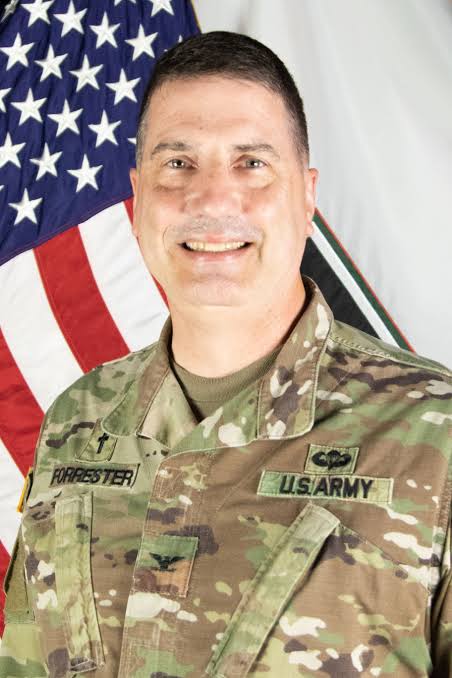
Addressing journalists during a digital press briefing on Wednesday, July 15th, 2026, from the ongoing symposium in Accra, Ghana, Chaplain Colonel Kevin Forster, the Command Chaplain at U.S. Africa Command, and Sergeant Major Herinah Asaah, the Religious Affairs Senior Enlisted Leader, outlined the event’s strategic importance.
The symposium, taking place from July 14th–16th, brings together participants from Benin, Burkina Faso, Cote d’Ivoire, Gabon, Gambia, Ghana, Nigeria, Sierra Leone, and Togo, along with U.S. National Guard state partnership religious leaders.
Chaplain Colonel Forster described religion as a “center of gravity” for stability in Africa, where chaplains play a unique role in instilling values and fostering pluralism.
“We aren’t here to impose a U.S. Model. We are here because we deeply respect the diverse pluralistic nature of these nations,” he said.
He emphasized that the gathering gives chaplains an opportunity to build trust and interoperability while caring for one another as caregivers.
Sergeant Major Assah highlighted the critical role of enlisted religious affairs specialists in delivering support on the ground.
She noted that the best practices emerging from the symposium include meeting service members where they are, including through technology and social media, while continuing to maintain face-to-face engagement.
“The chaplaincy is rapidly evolving from a traditional reactive desk-bound role to an active mobile presence,” she said.
Participants discussed challenges such as vast operational areas, dispersed teams, and the stigma surrounding seeking mental health support.
Chaplain Colonel Forster stressed the dual advisory role of chaplains: guiding commanders on internal ethics and the impact of religion on operations. Tangible outcomes expected include stronger cooperation, shared best practices, and more robust support networks for emerging chaplaincies. The symposium concludes with a peace walk and prayer on Thursday, July 16th, 2026.
Both leaders affirmed that investing in these partnerships helps build resilient forces prepared to meet complex security challenges while honoring religious diversity.