
In modern politics, no single party can govern effectively alone. Across the world, from Germany to Kenya, fragmented electorates and diverse societies have made negotiation, compromise, and alliances essential. What was once seen as weakness is now a practical path to stability.
As Nelson Mandela observed, nations can choose between conflict and cooperation. Increasingly, countries are choosing negotiation, reconciliation, and coalition-building. These require political maturity, for instance, a clear ideology, internal democracy, and a willingness to compromise without losing identity.
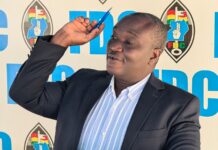
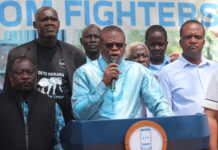
In Uganda, this raises a key question: are political parties ready for this reality? The focus turns to the Democratic Party (DP) and its 2022 cooperation agreement with the ruling National Resistance Movement (NRM). Signed by Norbert Mao and President Yoweri Kaguta Museveni, the deal committed DP to support aspects of the government agenda, while Mao was appointed Minister of Justice and Constitutional Affairs.
The agreement, upheld by the Constitutional Court in March 2026, has sparked debate. Critics call it a betrayal; supporters see pragmatism. As it nears expiry in May 2026, with calls for renewal and concerns over unmet promises, it offers a moment for reflection.
The Global Shift Toward Coalitions
Coalition politics is now common worldwide. Germany relies on coalitions for stability, while Kenya’s alliances show how cooperation can bridge ethnic and regional divides. Successful coalitions depend on shared goals, mutual respect, and strong institutions.
Uganda’s Political Context
Uganda’s history shows the cost of division. Political parties emerged during the colonial era to advance representation and independence. Founded in 1954, DP championed constitutionalism and inclusive governance under leaders like Benedicto Kiwanuka, Uganda’s first Prime Minister.
The 1995 Constitution restored multiparty politics and requires parties to promote unity, democracy, and accountability. Yet today, many remain fragmented and personality-driven. While party slogans promote unity, political practice often reflects division and mistrust.
The DP–NRM Agreement: A Turning Point?
The 2022 DP–NRM agreement is a notable shift. It allows DP to support selected government priorities while maintaining independence. It is not a merger but a structured partnership.
Supporters argue it gives DP influence on issues like electoral reform and national dialogue. Critics within the party have raised concerns, but Mao defends the move as strategic. DP’s decision not to field a presidential candidate in 2026 further reflects changing political thinking.
This arrangement tests whether Ugandan politics can move beyond zero-sum competition toward cooperation.
Is DP Ready for Coalition Politics?
DP has strengths: a rich history, commitment to the rule of law, and a tradition of inclusive politics. Its ideology positions it as a potential bridge-builder in a polarized environment.
In a divided society, the future may belong to actors who turn unity slogans into practical governance. DP is well placed to play that role—if it remains principled and strategic.
A Chance to Lead
Uganda does not lack unity rhetoric; it lacks action. DP has an opportunity to show that coalitions are not surrender but constructive engagement. By demanding clear outcomes, maintaining transparency, and staying true to its values, it can model a new political approach.
Without such efforts, fragmentation and public distrust will deepen.
Ultimately, coalition politics is Uganda’s likely future. The DP–NRM agreement and its legal validation highlight this shift. What Uganda needs now is political courage, the willingness to compromise, cooperate, and build genuine unity for long-term national progress.
DP stands at a crossroads. Its choices will shape not only its legacy but also the future of Uganda’s democracy.
The story is written by: Byayesu Agrippa Musinguzi, who is a Teacher, Legal Scholar and a young Democrat. musinguzibyayesu@gmail.com