
Uganda’s economy continues to show resilience, with inflation holding steady at a low 3.8 per cent in both July and August 2025, while the Ugandan shilling strengthens against the US dollar for the fourth consecutive month.
Finance Minister Matia Kasaija attributed the stability to coordinated fiscal and monetary policies that have reinforced the country’s overall economic resilience.
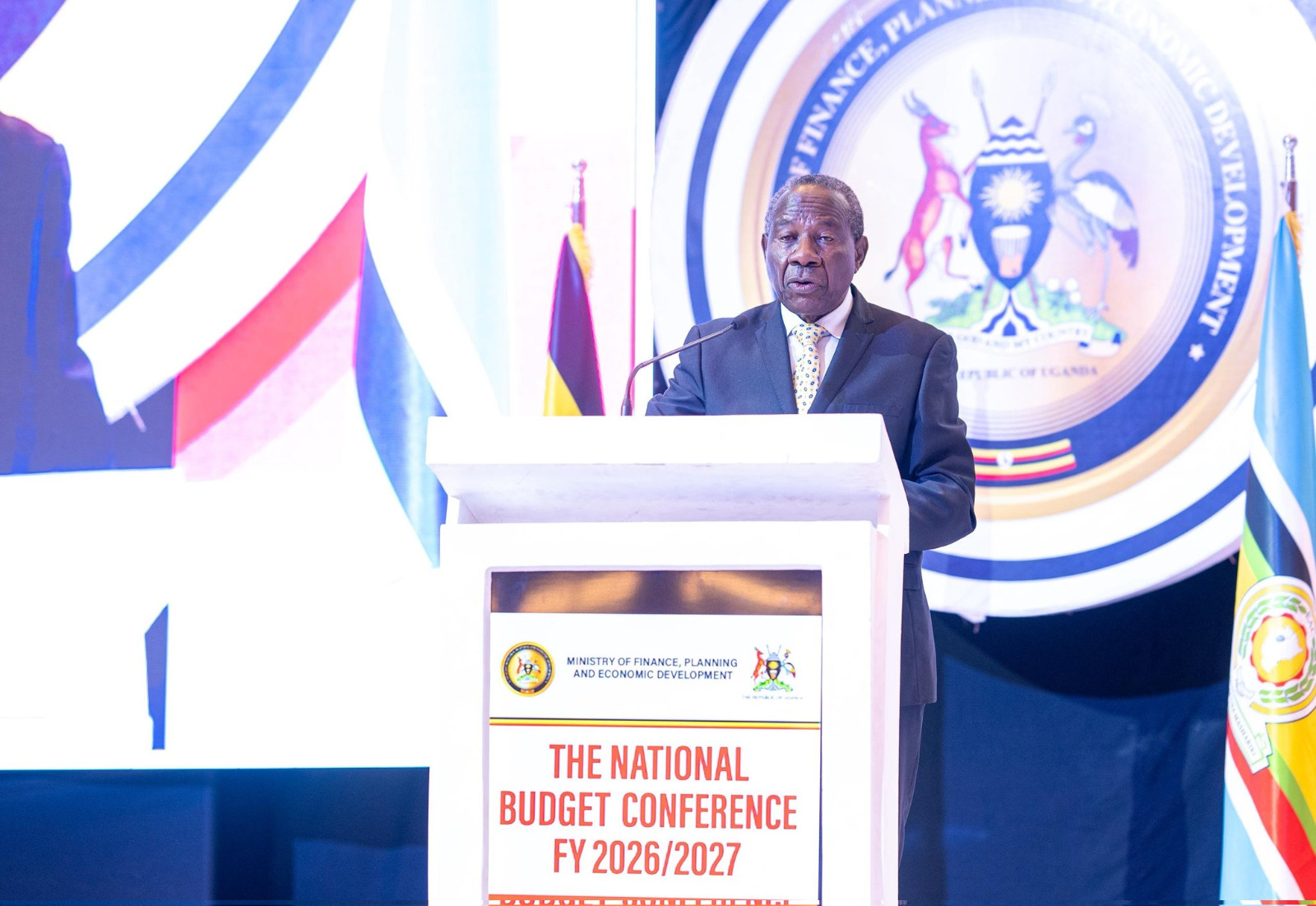
Speaking at the National Budget Conference in Kampala on Thursday, 11th September, 2025, Kasaija confirmed that the sustained low inflation is a result of stable global fuel prices, reduced annual global food prices, and increased local food supply supported by favorable weather.
“The inflation outlook for the financial year 2025-2026 remains well within the medium-term target of 5 per cent, signaling continued price stability even amid emerging risks,” the finance minister said, adding that low inflation lays a solid foundation for sustained economic growth and fiscal consolidation.
The Ugandan shilling has also increased in value, reaching an average mid-rate of UGX 3,587 per USD, up from UGX 3,606 in June.
This improvement has been supported by increased inflows from offshore investors, remittances from the diaspora, and government measures such as direct petroleum imports through the Uganda National Oil Company (UNOC). The global weakening of the US dollar has further strengthened the local currency.
“The resilience of the Ugandan shilling reflects effective micro economic management and growing confidence from international markets. Our currency is now among the most stable in Africa,” Kasaija stated.
Interest rates have edged upward, with shilling-denominated lending rates rising from 18.64% in May to 19.7% in June, while foreign currency loan rates increased from 8.36% to 8.78% over the same period.
The rise is partly driven by higher demand for personal and household loans, including mobile money borrowing, as well as increased risk in sectors such as mortgages and telecommunications. Meanwhile, the central bank rate has remained steady at 9.75% as of August 2025, marking the 11th consecutive month of stability.
Kasaija also noted that the private sector credit has shown robust growth, rising to UGX 23.9 trillion by the end of FY 2025/26, up from UGX 21.9 trillion a year earlier, representing an annual growth rate of 9.1 per cent.
To further expand access to finance, the government is lowering barriers for small and medium-sized enterprises (SMEs) through programs such as the Parish Development Model (PDM), Emyooga, Agricultural Credit Facility, Small Business Recovery Fund, UBD Export Guarantee Scheme, and the Women Enterprise Fund.
These indicators point to a resilient and well-managed economy, strengthened by sound governance, strategic investment, and growing confidence from both domestic and international stakeholders, setting a strong foundation for Uganda’s economic growth direction.