
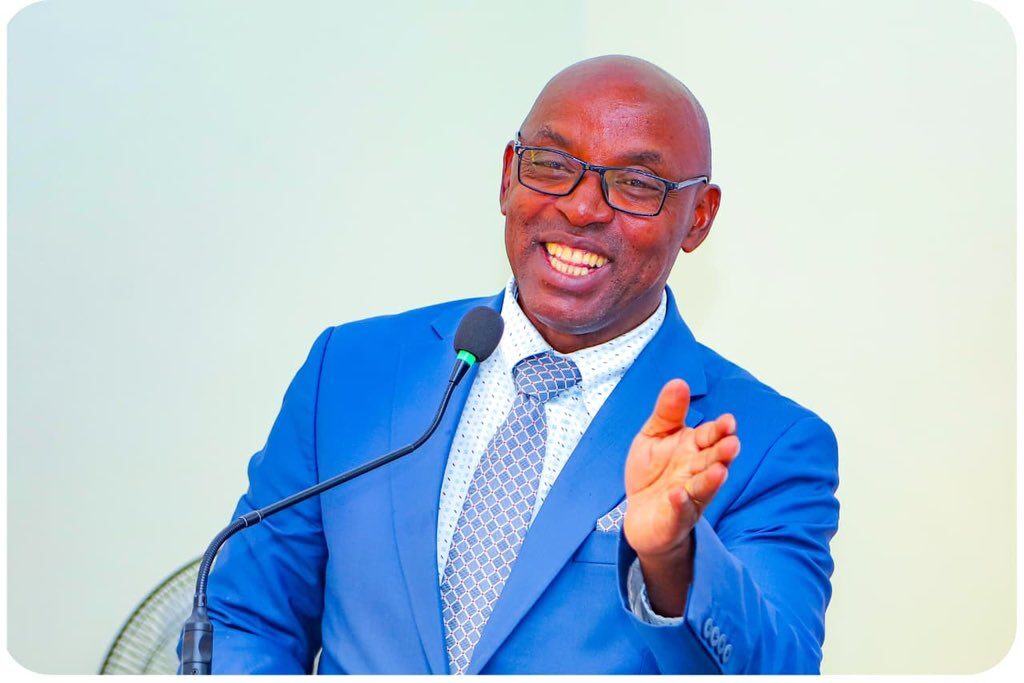
The Deputy Chief Justice of Uganda, Justice Dr Flavian Zeija, has called on religious leaders to play a key role in promoting community-based justice as the country seeks to expand access to dispute resolution outside formal courts.
Justice Zeija made the remarks on Wednesday while presiding over the closing of a one-day training workshop for members of the Inter-Religious Council of Uganda (IRCU) on the Alternative Justice Strategy (AJS), held at the Judicial Training Institute (JTI) in Nakawa.
“Uganda is a very religious nation. The majority of our people believe in you and in your religious decisions,” Justice Zeija said.
The training aimed to equip religious leaders with practical skills in conflict resolution, mediation, and leadership to support the Judiciary’s policy on Alternative Dispute Resolution (ADR) and the government’s National Policy on Alternative Justice Strategy.
Justice Zeija described AJS as a cost-effective and timely path to justice that will be integrated into the Judiciary’s next strategic plan to improve case management.
Justice Andrew Khaukha, Executive Director of JTI, said the training marked a foundational step following the Cabinet’s approval of the National ADR Policy and emphasized ongoing collaboration with IRCU to strengthen community-based dispute mediation.
Bishop Anthony Zziwa, representing IRCU, thanked the Judiciary for the training and highlighted the approach’s focus on reconciliation, forgiveness, and restorative justice. He also called for faster finalization of a Memorandum of Understanding between IRCU and the Judiciary and proposed exposure visits to successful regional AJS models, including Kenya’s Nakuru Peace and Reconciliation Centre.
The initiative is part of Uganda’s broader effort to formalize community-based justice mechanisms, making justice delivery more accessible, timely, and culturally appropriate, particularly in rural and underserved areas.