

Uganda has confirmed the arrival of eight individuals transferred from the United States after their asylum applications were denied, marking one of the first transfers under the newly signed bilateral migration agreement between the two countries.
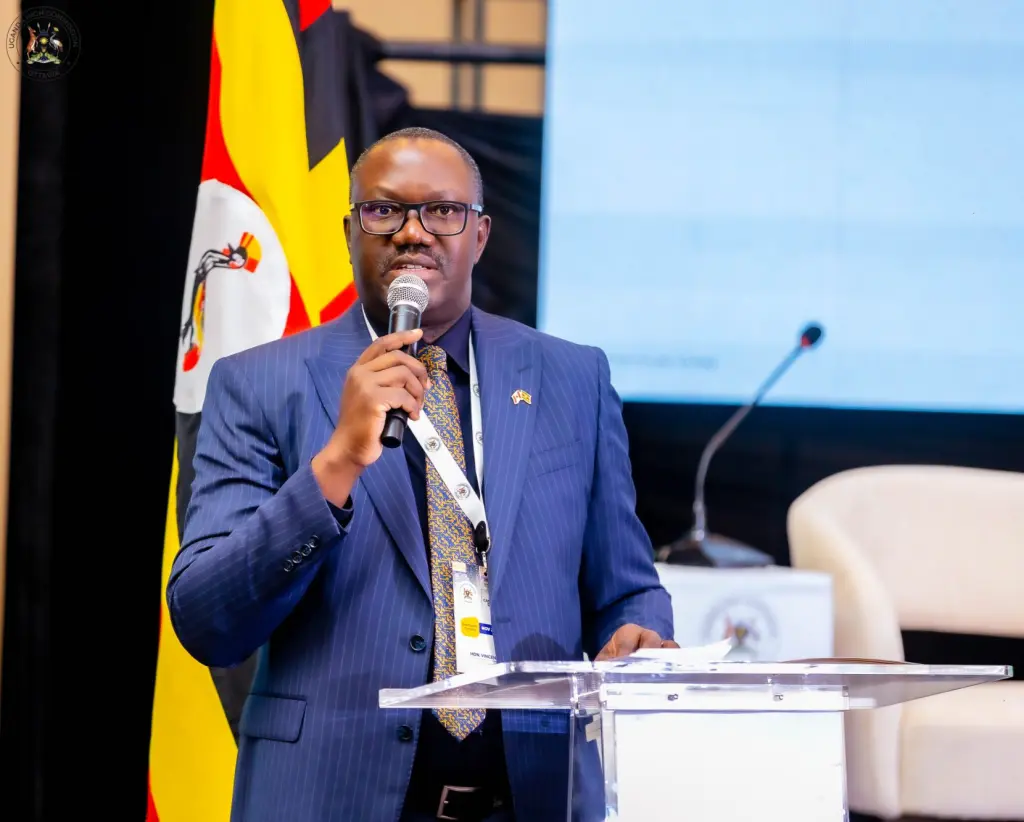
In an official statement released on April 3rd, 2026, Vincent Waiswa Bagiire, Permanent Secretary of the Ministry of Foreign Affairs, said the individuals arrived in Uganda on April 1st following a legal process in the U.S. immigration system, fully compliant with international law and bilateral cooperation agreements.
The transfers are being carried out under the Agreement for Cooperation in the Examination of Protection Requests, signed by Uganda and the United States in July 2025, which allows Uganda to process asylum claims for certain third-country nationals of African origin who are not citizens of either country.
Bagiire emphasized that Uganda will assess the asylum claims in strict accordance with national legislation and international refugee protection standards.
“Uganda has a long-standing tradition of hosting refugees and providing safe haven, so this arrangement reflects our continued commitment to humanitarian principles and structured international cooperation,” the Ministry of Foreign Affairs Permanent Secretary stated.
Authorities have kept the identities of the eight individuals confidential, citing privacy and protection concerns, and have emphasized that Uganda will process their cases in accordance with national laws and international refugee protection standards.
They also mentioned that the agreement respects the principle of non-return, a fundamental element of international law that prohibits sending individuals back to countries where they could face harm or persecution.
Uganda has long been recognized as a regional leader in refugee protection, and officials say the latest arrangement continues that tradition.
Under the agreement, the country serves as a ‘safe third country,’ responsible for determining whether the individuals qualify for protection or alternative legal status.
Authorities assured that the process is transparent, lawful, and conducted in a manner that safeguards the rights and dignity of those involved.
However, the Uganda Law Society (ULS), together with the East African Law Society, has formally challenged the arrangement, arguing that key state institutions were inadequately consulted or excluded entirely from the process.
According to a statement from the ULS Vice President Anthony Asiimwe, the legal groups said the transfer lacked clarity, noting potential gaps in legal safeguards to protect the rights and dignity of the individuals involved.
The legal groups also pointed to reports of a privately chartered aircraft arriving at Entebbe International Airport with the deportees under what they described as ‘questionable circumstances,’ raising further questions about how the operation was conducted.
They further warned that such arrangements could set a troubling pattern, enabling wealthier nations to shift migration responsibilities onto developing countries, potentially straining local systems and undermining established international protection frameworks.
In response to these claims, authorities maintain that the process is lawful, carefully structured, and rooted in international cooperation, highlighting that Uganda’s role is both humanitarian and fully aligned with global standards.
These transfers highlight Uganda’s ongoing role in regional refugee protection and international migration cooperation.
While authorities maintain that the process is lawful and humanitarian, legal and human rights groups continue to call for greater transparency and safeguards, highlighting the complex challenges of balancing international obligations with domestic responsibilities.