The government has unveiled a new Public Financial Management (PFM) Reforms Strategy aimed at strengthening transparency, accountability, and efficiency in the use of public resources.
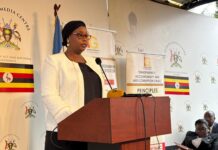
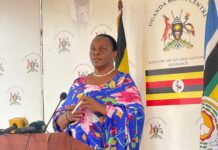
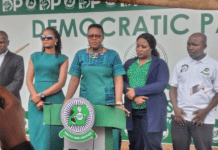
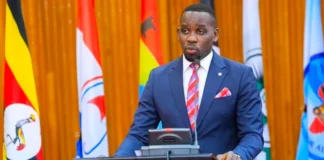
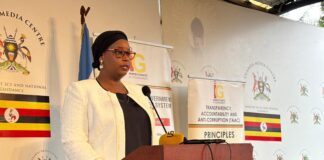
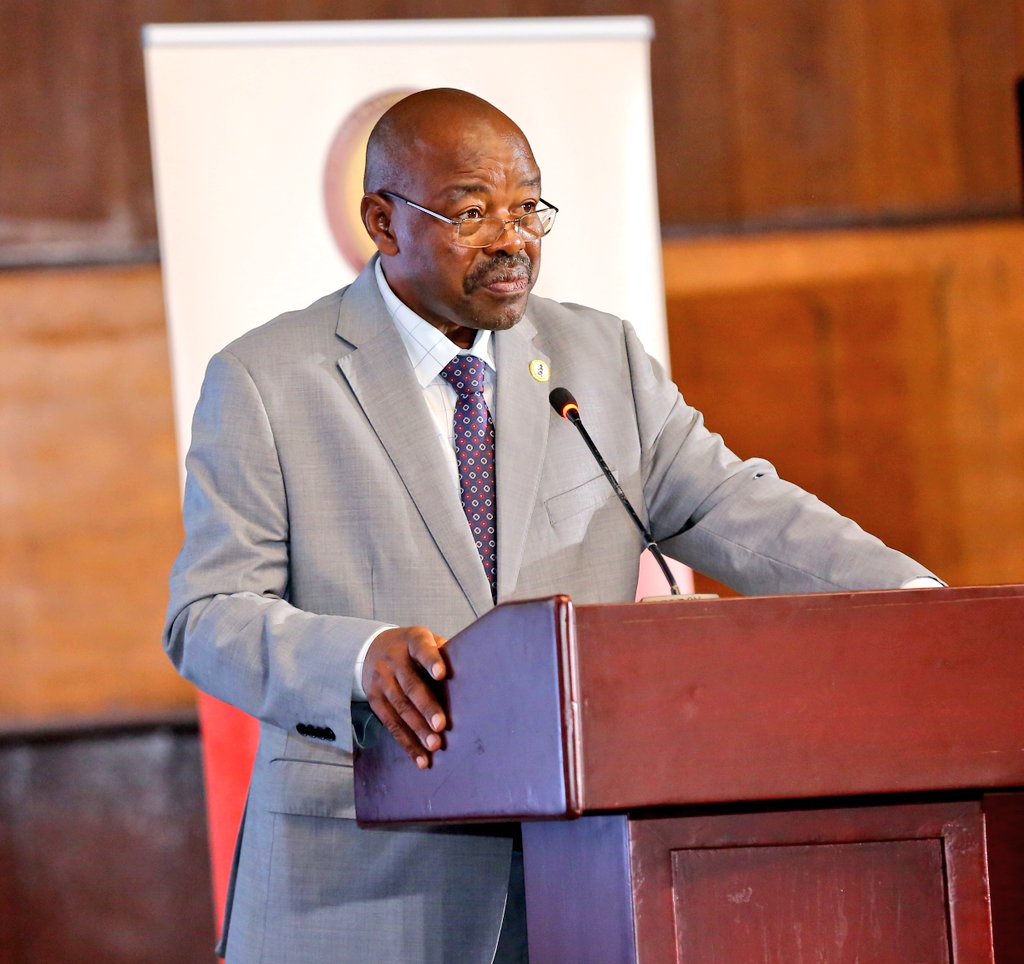
The strategy was officially launched Thursday July 24, 2025 by the Minister of State for Planning, Hon Amos Lugoloobi, on behalf of Prime Minister Rt Hon Robinah Nabbanja at Serena, Kampala.
In her speech, the Prime Minister described the strategy as a reaffirmation of the NRM government’s commitment to prudent and people-centred public resource management.
The move is seen as critical to driving Uganda’s economic transformation, accelerating service delivery, and supporting the country’s ambition of becoming a USD 500 billion economy by 2040.
“The Strategy reaffirms the NRM’s commitment to strengthening the management of public resources in a manner that fosters economic growth, promotes fiscal discipline, and ensures equitable and efficient service delivery to the citizens,” Nabbanja noted.
She emphasized that efficient financial management is central to the government’s broader goals of job creation, industrialization, and community empowerment.
“As we seek to industrialise, create jobs, and empower communities, our PFM systems must ensure that resources are allocated and utilized in ways that reflect the priorities of our citizens,” she said.
The Prime Minister further highlighted that improved service delivery directly translates to better outcomes for ordinary Ugandans, including access to quality education, maternal healthcare, and agricultural support services.
“Improved service delivery means that children can access quality education, expectant mothers can receive care in well-equipped health facilities, and farmers can benefit from agricultural extension services in a timely and responsive manner,” she stated.
Finance Minister Hon Matia Kasaija, in remarks also delivered by Hon Lugoloobi, described the new strategy as “a bold step” towards inclusive development.
“The PFM Reform Strategy 2025–2030 is a bold step that places the needs of the people at its core, ensuring that every citizen benefits from the dividends of good governance,” Kasaija said.
He mentioned the importance of sound financial governance in achieving Uganda’s development goals.
“Public Financial Management is the backbone of Uganda’s development agenda. It ensures that every shilling collected from taxpayers and Development Partners is used wisely to drive economic growth, reduce poverty, and improve the lives of our citizens,” he added.
Kasaija also cautioned against over-reliance on external financing, urging a shift towards domestic resource mobilization.
“No country can sustainably develop while relying heavily on external financing. If we are to build a self-reliant Uganda, a country that owns its development path, then we must strengthen our capacity to mobilise domestic resources efficiently and fairly,” he said.
The government continues to invest in automating financial processes to increase efficiency, transparency, and accountability. This includes the deepening of digital systems such as the Integrated Financial Management System (IFMS), Electronic Government Procurement (eGP), and Human Capital Management (HCM) systems, which are now key to budgeting, execution, and reporting under the National Development Plans (NDP III and IV).
This new PFM Reforms Strategy has also been designed to support Uganda’s 10-fold growth strategy of building a USD 500 billion economy by 2040, aligning financial governance with the country’s long-term vision for industrial transformation, infrastructure development, and wealth creation.