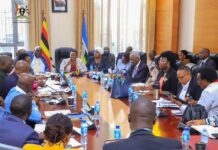
Faced with rising needs and shrinking resources, Uganda marked World Refugee Day on Friday, June 20, 2025, by reaffirming its unwavering commitment to protect and support refugees. Celebrated under the global theme “Solidarity with Refugees,” the national event took place at Kiryandongo Refugee Settlement, one of the largest and most overcrowded in the country.
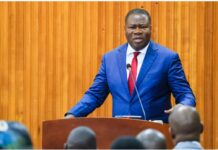
Speaking at the ceremony, the Minister for Relief, Disaster Preparedness, and Refugees, Hon Hilary Onek, praised Uganda’s long-standing tradition of offering sanctuary to people fleeing conflict and persecution.
“This year’s theme reflects what Uganda has practiced for decades,” Onek said. “Every refugee who crosses into Uganda finds safety and the promise of protection.”
Uganda currently hosts more than 1.9 million refugees and asylum seekers, making it Africa’s largest refugee-hosting country and among the top globally. In 2025 alone, the country has received over 112,000 new arrivals, including 67,000 from the Democratic Republic of Congo (DRC).
While Uganda’s open-door policy is internationally applauded, it is under immense pressure. Most refugee settlements are operating at over 300% of their intended capacity, leading to severe shortages in food, water, shelter, healthcare, and education, especially affecting young children, pregnant women, and breastfeeding mothers.
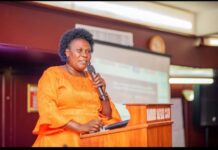
Milly Nancy Lagu, Chairperson of the Refugee Welfare Council III in Kiryandongo, said the situation on the ground has become harder for both refugees and service providers.
“When funding is cut, it is the refugees who feel it most. We see long queues at health centers, children unable to fit in classrooms, and critical services reduced,” she said.
According to the Uganda Country Refugee Response Plan (UCRRP) 2024 – 2025, the country needs $968 million to meet the growing needs of its refugee population. By the end of the first quarter, however, only $111.5 million had been received, just 12% of the required amount leaving a staggering $856.5 million gap.
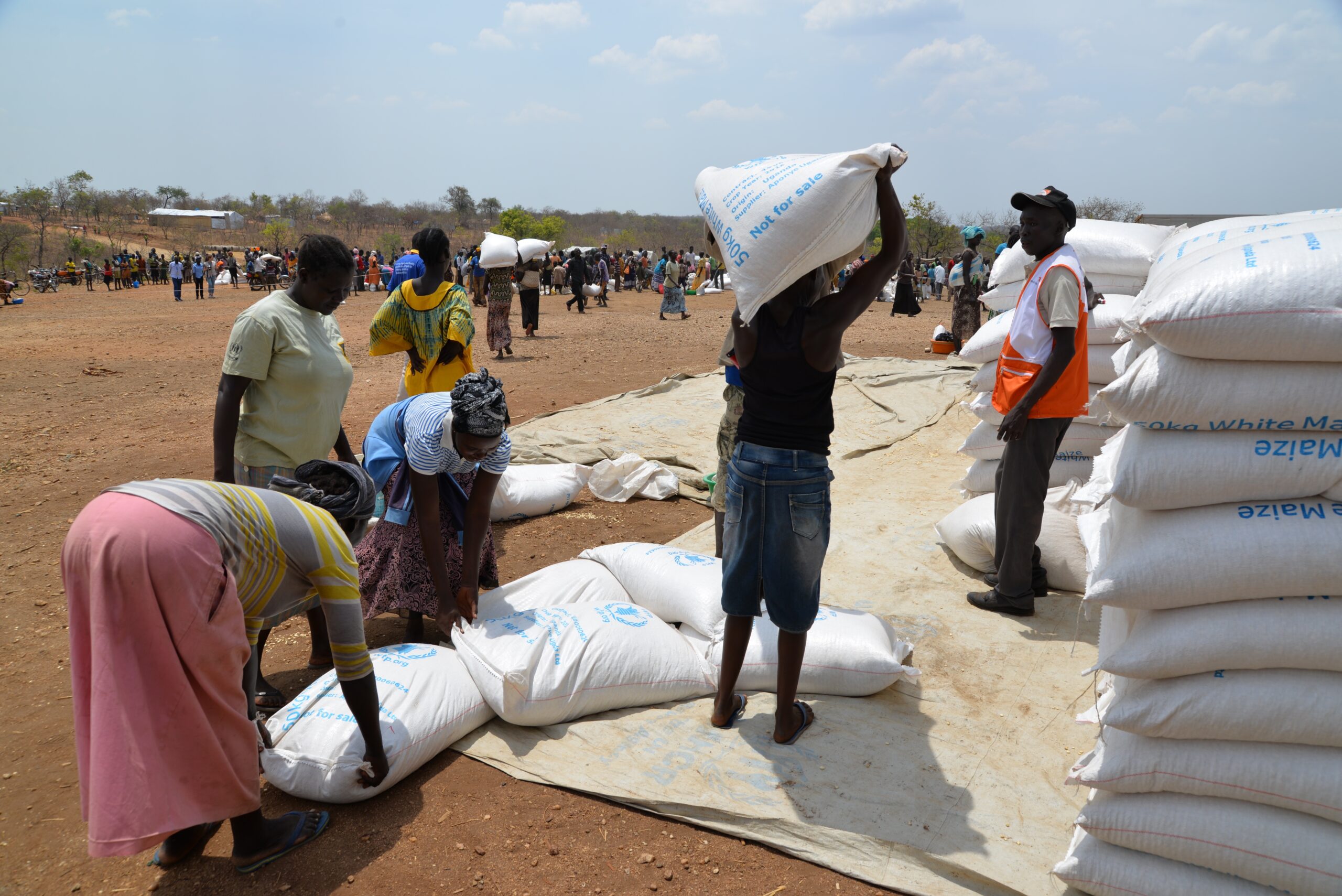
The funding shortfall has already led to significant service cuts. The World Food Programme (WFP) has been forced to reduce food assistance to over one million refugees, representing 63% of the people it supports in Uganda.
“This is a crisis,” Genevieve Chicoine, Acting Country Director WFP Uganda noted. “Only the most vulnerable and newly arrived families are receiving small rations, the lowest WFP provides in East Africa. Without urgent international support, we risk a humanitarian catastrophe.”
Uganda’s refugee population is distributed across multiple districts. Isingiro hosts the largest number, with 272,659 refugees (14.3%), followed by Madi Okollo and Terego with 259,793 (13.6%), and Adjumani with 230,943 (12.1%). The majority of refugees come from South Sudan (52.8%) and the Democratic Republic of Congo (32.7%).
UNHCR Representative in Uganda, Matthew Crentsil, praised the resilience of refugees and issued a strong appeal for global action.
“On World Refugee Day, we honour the courage and determination of those forced to flee their homes. But true solidarity goes beyond words, it requires real investment in protection, services, and opportunities,” he said.
“The international community must act now to support the future of millions of children, women, and men who have lost everything,” Crentsil added.
Despite the challenges, Uganda, UNHCR, and partners remain committed to going beyond emergency response. They are investing in long-term solutions that promote self-reliance, education, livelihoods, and integration into host communities.
These efforts aim to give refugees not just safety but the tools to rebuild their lives with dignity. As the global refugee crisis continues to grow, Uganda’s message is clear:
“Solidarity with refugees is not optional, it must be action.”
With political will, community support, and international cooperation, Uganda believes there is still hope to protect lives, restore dignity, and build a future for the millions who have been forced to flee.