

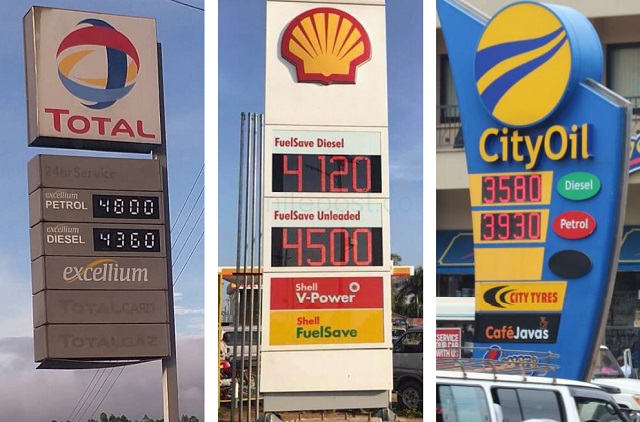
Government has confirmed that fuel prices in Uganda are likely to increase in the coming weeks, attributing the expected rise to sharp changes in global oil markets that are now beginning to affect domestic supply.
Energy Minister Ruth Nankabirwa said the country has, in recent weeks, been relying on fuel stocks that were procured earlier at relatively lower international prices. However, she noted that this buffer is nearing its end as new consignments purchased at significantly higher global rates begin to arrive.
“The impact of higher global prices is expected to be reflected from May 2026 as new shipments enter the market,” she said, pointing to a surge in international crude oil prices from about 65 dollars per barrel in February to nearly 120 dollars in March.
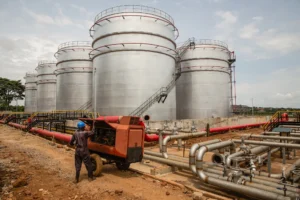
Despite the anticipated price adjustments, government has moved to calm fears of supply disruptions, maintaining that the country’s fuel reserves remain stable. The minister said Uganda currently holds sufficient stock levels, supported by a steady import pipeline.
Recent imports, including approximately 119 million litres of petrol through the Mombasa route, have bolstered national reserves. Additional shipments of petrol, diesel, and jet fuel are expected between mid-April and mid-June, with current stock cover estimated at up to 67 days for petrol and 84 days for diesel.
Nankabirwa dismissed reports of widespread shortages, explaining that isolated stock-outs reported at some filling stations are largely due to logistical inefficiencies within individual supply chains rather than a national supply crisis.
“These are operational challenges within specific distribution networks, not a reflection of overall fuel availability in the country,” she said.
Government has also identified increased demand in border areas, coupled with hoarding, cross-border fuel movements, and speculative pricing, as factors contributing to localized price fluctuations.
To address these concerns, enforcement teams have been deployed to strengthen monitoring and ensure compliance across the fuel distribution chain.
Uganda’s fuel importation is currently coordinated by Uganda National Oil Company under the Petroleum Supply (Amendment) Act, 2023, in partnership with global trading firm Vitol.
The minister urged the public to remain calm and avoid panic buying, assuring that government systems remain functional and supply planning is intact.
As global oil market pressures begin to filter into local prices, consumers are expected to feel the impact at the pump in the coming weeks, marking a shift from the relative stability seen earlier this year.