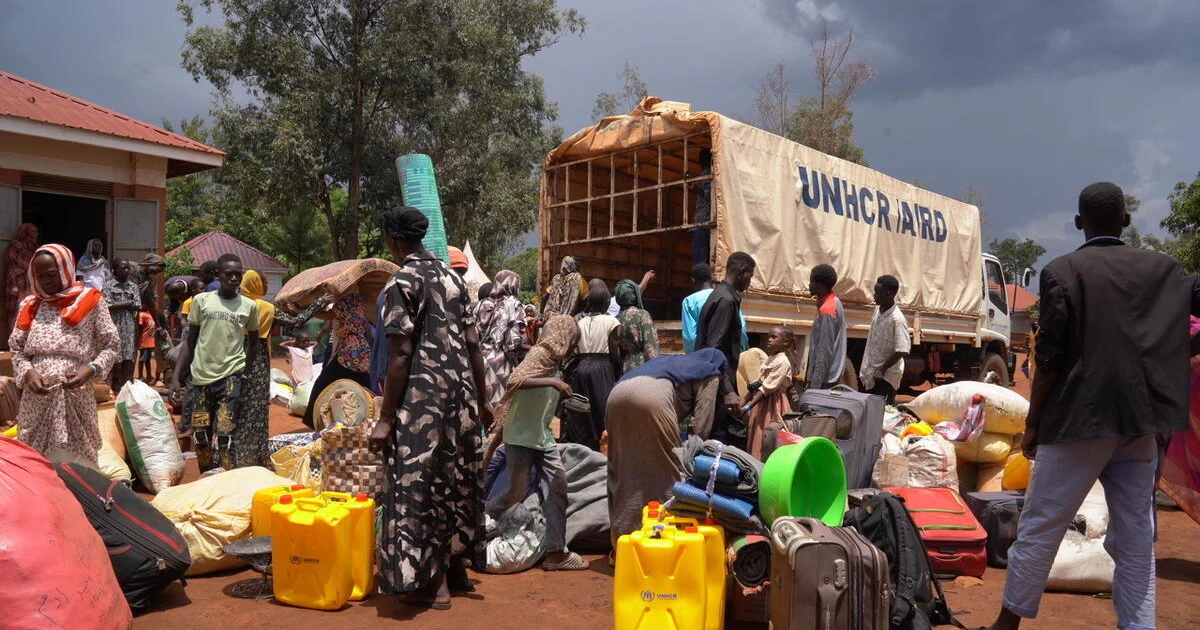
At a time when many countries are tightening their borders, Uganda continues to stand out as a place of refuge, resilience, and stability. The country hosts the largest number of refugees in East Africa and across the continent. This makes Uganda a central player in responding to one of the world’s most pressing humanitarian challenges.
As of 2026, Uganda is home to nearly two million refugees and asylum seekers, most of whom have fled conflict in neighboring countries like South Sudan, Somalia, and the Democratic Republic of Congo. This is not to say that other countries in the region do not offer refuge to those fleeing war as Kenya and Tanzania do so too.
What sets Uganda apart is not just the scale of people it hosts, but how it treats them. Unlike in many parts of the world, refugees in Uganda are not confined to camps but rather settlements, allowing them freedom of movement and the right to work. They are sometimes even given small plots of land and granted access to education and healthcare. This approach gives people a chance to rebuild their lives with dignity, rather than simply survive.
People in communities all over the country have learned to live with this reality. In many areas that host refugees, locals and refugees live side by side, sharing resources, markets, and even schools. There are problems, especially with funding, cultural differences, and pressure on public services, but the spirit of coexistence is still strong, partly because Ugandans are friendly and welcoming.
Looking ahead, Uganda’s refugee population is expected to keep growing. The Prime Minister, Rt. Hon. Robinah Nabbanja, has indicated that the number could surpass two million during the 2026/2027 financial year, driven by ongoing instability in the region. This projection highlights both the scale of displacement and Uganda’s continued willingness to keep its doors open.