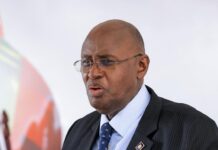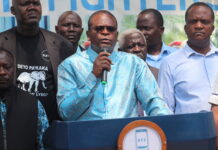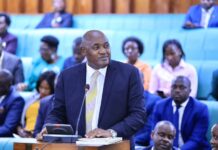
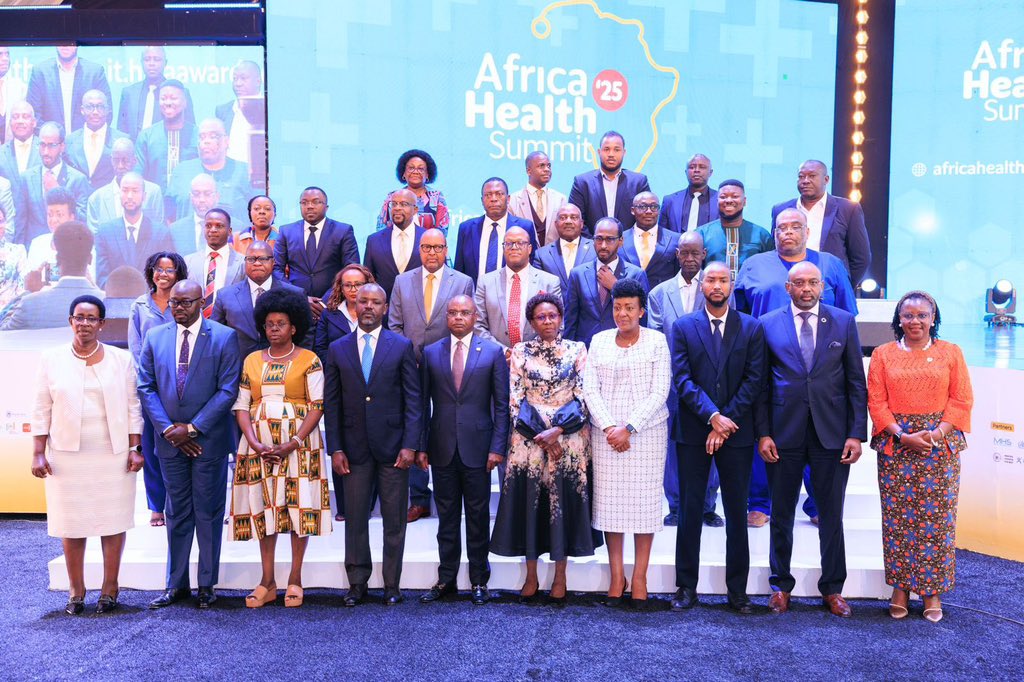
The Deputy Speaker of Parliament, Thomas Tayebwa, has urged African governments to make decisive investments in domestic pharmaceutical production, warning that the continent’s continued reliance on imported medicines is a major threat to public health security.
Speaking at the Africa Health Summit held at Kololo on Friday 14th November 2025, Tayebwa said Africa must draw key lessons from the COVID-19 pandemic and shifting global power dynamics, emphasizing that future health emergencies are inevitable.
Speaking during the delegates conference Tayebwa said that, “tough situations will come again and they must find us prepared.”
“while other regions of the world band together in moments of crisis, African countries still respond in a fragmented manner a weakness that leaves the continent exposed whenever global supply chains tighten.” Tayebwa added
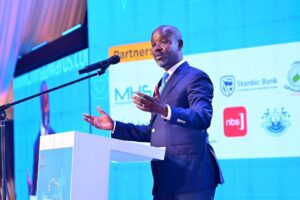
Tayebwa’s message was a call for Africa to commit fully to building its own pharmaceutical manufacturing base.
He questioned why the continent continues to import antiretroviral drugs (ARVs), diagnostic test kits and other essential medical supplies, despite having companies with the capacity to produce them locally.
Africa currently spends over USD 14 billion annually on imported medicine, a figure Tayebwa described as both staggering and unnecessary.
“We cannot keep spending billions importing the very products we can manufacture here at home.” Tayebwa said.
“Those resources can build factories, create jobs, support innovation and secure Africa’s health future.” He added.
Uganda’s recent investments in companies such as Dei Pharma and Quality Chemical Industries Limited, saying the country is positioning itself as a regional hub for pharmaceutical production.
“To secure Africa’s medical supply chain, it is important that all countries follow Uganda’s example, our doors are open for them to learn.” Tayebwa said.
Rt Hon Amason Kingi, the summit’s guest of honour and speaker of the Senate of Kenya, also promised developments in the continent’s health ecosystem from new innovations to regulatory reforms that are slowly shifting Africa towards greater self-reliance.
He said that with sustained investment and political commitment, Africa could move closer to an independent, efficient and effective health system capable of serving its 1.4 billion people.
The speakers noted that success will depend on the willingness of African leaders to prioritise long-term investment in home-grown pharmaceutical industries.
The health system we want for Africa will not come by chance, it requires collaboration, hard work and the political will to build it ourselves.