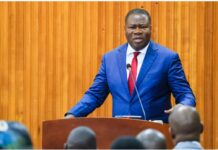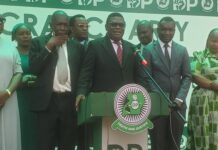

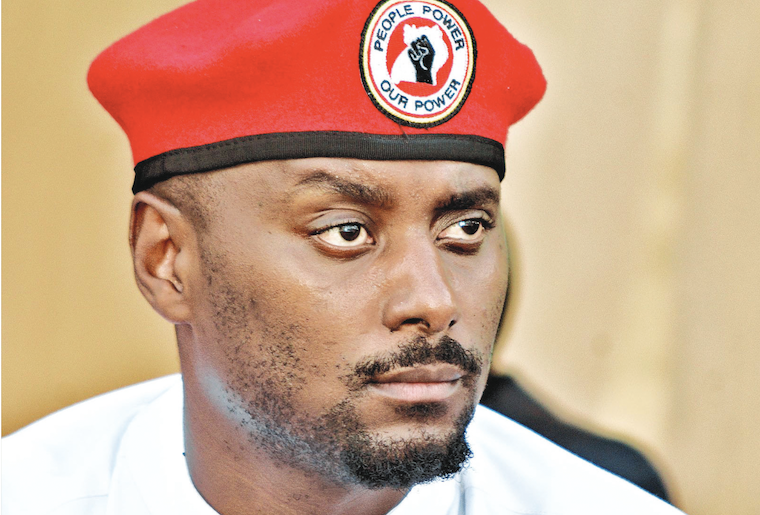
David Lewis Rubongoya, Secretary General of the National Unity Platform (NUP), has criticized what he described as the ineffective implementation of the Supreme Court of Uganda ruling that barred the trial of civilians in military courts, arguing that the decision has not delivered meaningful justice for political detainees.
In a statement posted on April 9, 2026, Rubongoya described the aftermath of the landmark January 31, 2025 judgment as a “short-lived victory,” alleging that several case files involving civilians were never transferred from military tribunals to civilian courts, leaving some detainees still incarcerated.
He recalled that the ruling widely welcomed by opposition supporters and human rights advocates initially raised expectations that long-standing concerns about due process violations in military courts would be addressed. However, he argued that developments since then have undermined those expectations.
Rubongoya further claimed that legal provisions similar to those previously struck down by the court were effectively reintroduced, enabling continued prosecution of civilians in ways he says mirror earlier practices under military jurisdiction.
He also alleged that some procedures historically associated with military courts including prolonged detention without trial and restricted access to fair hearing rights persist in practice despite the ruling.
The ruling he referenced was delivered by a seven-member panel led by former Chief Justice Alfonse Owiny-Dollo, which determined that the General Court Martial is primarily a disciplinary body for members of the armed forces and lacks jurisdiction to try civilians.
The issue continues to feature prominently in opposition discourse, particularly regarding the treatment of political detainees and broader concerns about due process, judicial independence, and enforcement of constitutional court decisions in Uganda’s justice system.