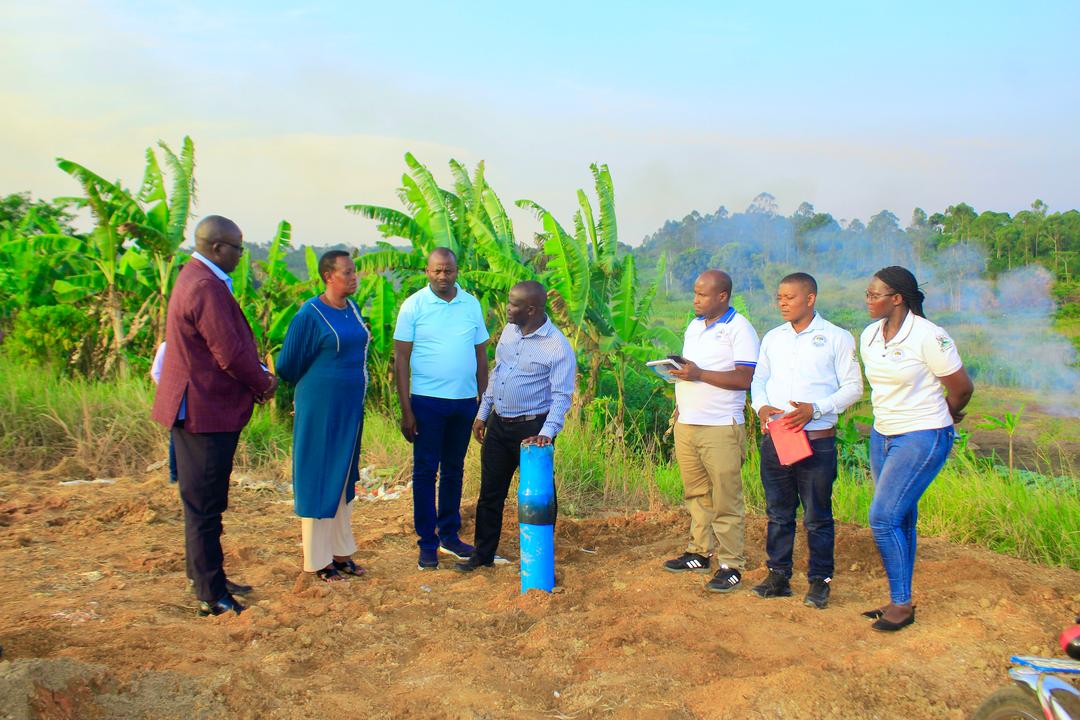
Government investments in the water sector are improving lives in Kyotera District, with more residents now accessing safe and reliable water. The district currently has safe water coverage in 168 out of 334 rural villages, representing 50.3 percent coverage.
Local leaders say the progress shows continued government commitment to service delivery. Kyotera District LC5 Chairperson Patrick Kintu Kisekulo praised the government for prioritizing clean water and urged residents to protect the infrastructure to ensure long-term use.
Several government-funded piped water systems have been completed in areas including Mutukura, Kasensero, Kyotera, Kalwanga, Kasari, Kalisizo, Kakyanga, Lwanda, and Kyamayembe. The Kasari Town Council water system alone serves nearly 30,000 people, reducing reliance on unsafe water sources and improving public health.
Boreholes have been drilled and rehabilitated in sub-counties such as Kabira, Kasasa, Lwankoni, Kirumba, Nabigasa, Kakuuto, Kyebe, and Kalisizo Rural, restoring access to clean water in communities. Rainwater harvesting systems have also been installed in schools, health centres, and public institutions across several sub-counties.
State Minister for Microfinance, Haruna Kasolo, cautioned against individuals trying to claim credit for the projects, saying the initiatives are government-led. Public sanitation facilities have been completed in Kasari, Kasensero, Kyotera Town Council, Kalisizo Town Council, and Kyebe, improving hygiene in busy public areas.
More rainwater harvesting systems and borehole works are ongoing, while future plans include new piped water projects in Bukunda, Nabigasa, Minziro, and Kyamayembe. District officials say the projects are helping Kyotera move steadily toward universal access to safe and sustainable water.