
The Government of Uganda, through the Ministry of Finance and the Bank of Uganda, has introduced the Mortgage Refinance Institutions Bill, 2025, a landmark piece of legislation aimed at addressing the country’s housing finance gap by expanding access to long-term, affordable mortgage financing.
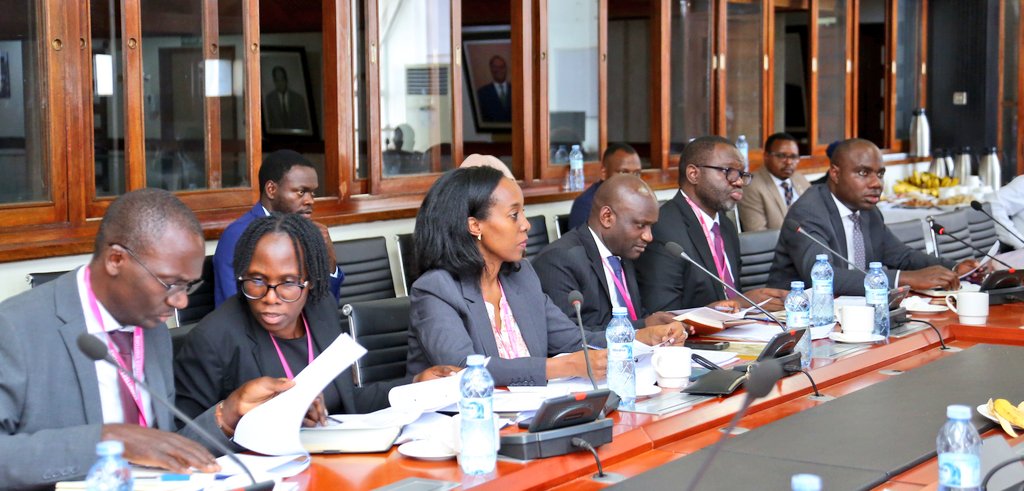
Hon. Henry Musasizi, Minister of State for General Duties, presented the bill to Parliament on August 7, 2025. He noted that Uganda currently lacks a specific legal framework for mortgage refinance institutions, a gap that has limited the development of sustainable housing finance solutions.
“I wish to express my gratitude and urge you to consider the Mortgage Refinance Institutions Bill, 2025, which is designed to address the persistent problem of loan mismatches where financial institutions rely on short-term deposits to fund long-term mortgage lending,” Musasizi told Parliament.
Uganda is currently grappling with a housing deficit estimated at over 2.4 million units, with many households unable to access long-term, affordable mortgage products.
Most commercial banks fund mortgages using short-term deposits, a practice that results in high interest rates, short repayment periods, and increased risk for borrowers.
The new bill seeks to address this challenge by enabling the establishment of mortgage refinance institutions that will provide long-term financing of at least five years to primary mortgage lenders such as commercial banks, housing cooperatives, and microfinance institutions.
Under the proposed law, all mortgage refinance institutions must be incorporated in Uganda and licensed by the Bank of Uganda, which will serve as the sole regulatory authority.
These institutions will provide long-term capital that aligns more closely with the needs of mortgage borrowers, facilitating more affordable interest rates, longer loan tenures, and more manageable repayment terms, including grace periods.
The bill further introduces important borrower protections, including a provision that prevents collateral pledged to mortgage refinance institutions from being transferred or attached to settle other debts without approval, an important safeguard for homeowners.
To ensure financial stability and market discipline, the bill prescribes a minimum capital requirement of UGX 35 billion for the establishment of a mortgage refinance institution. This is intended to attract serious, well-capitalized investors and foster a sound and competitive housing finance market.
Uganda follows in the footsteps of countries such as Kenya and Nigeria, which have successfully established mortgage refinance companies to provide long-term liquidity to lenders. These regional examples have shown that such frameworks can significantly increase access to housing finance and lower interest rates.
With Uganda’s urban population continuing to grow and the demand for decent housing increasing, the Mortgage Refinance Institutions Bill, 2025, represents a critical step toward creating a more inclusive and sustainable mortgage market.
If passed and effectively implemented, the law could unlock new opportunities for thousands of Ugandans to access affordable home ownership while strengthening the resilience and depth of the country’s financial sector.