
Uganda has secured a $540 million (UGX 2.1 trillion) funding package from the World Bank to boost urban infrastructure, planning, and job creation under the newly rebranded Uganda Cities and Municipalities Infrastructure Development (UCMID) programme.
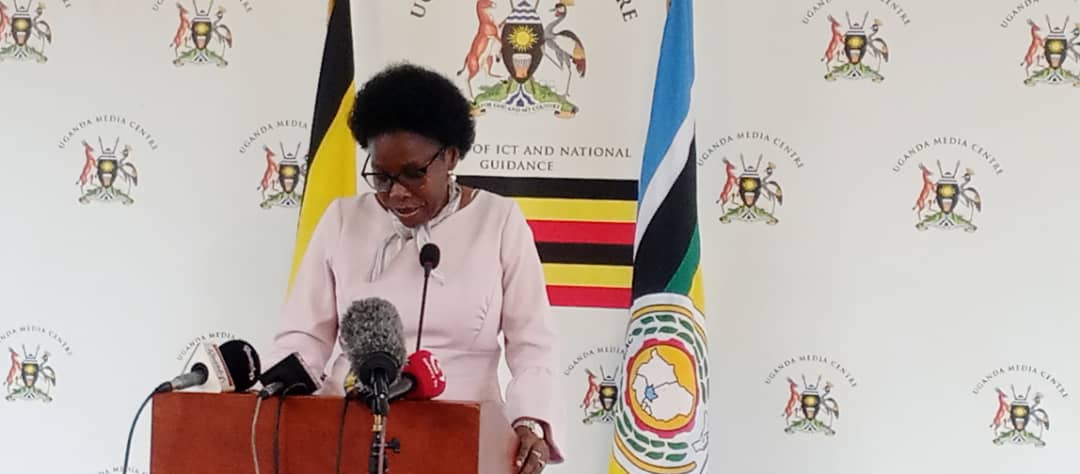
While addressing journalists at Uganda Media Center today April 7th,2026, the Lands, Housing and Urban Development Minister, Judith Nabakooba, said $80 million of the funding will be a grant, with the rest extended as financing to drive infrastructure and institutional reforms across urban centres.
According to Nabakooba, the six-year programme, running from the 2026/27 to 2030/31 financial years, is designed to strengthen urban planning and management while expanding access to climate-smart infrastructure, services, and jobs particularly in cities hosting refugees.
The programme will be implemented across 10 regional cities, including Lira, Arua, Gulu, Soroti, Mbale, Hoima, Fort Portal, Jinja, Mbarara, and Masaka. It will also cover 26 municipalities and 13 refugee-hosting districts such as Yumbe, Adjumani, Lamwo, and Kiryandongo.
An estimated 5.6 million people are expected to benefit directly, including about 1.6 million residents in refugee-hosting areas.
“The project is expected to generate at least 20,000 permanent jobs, including 5,000 targeting refugees and host communities,” Nabakooba said
Employment opportunities will arise from market operations, waste management, infrastructure maintenance, and logistics services.
“Improved infrastructure and market access will lower business costs, stimulate demand for labour, and raise household incomes, especially among youth, women, and low-income groups,” she said.
Uganda’s rapid urbanisation has placed increasing pressure on infrastructure and services, with about 27 percent of the population currently living in urban areas a figure growing at 5.2 percent annually.
Over the next decade, the urban population is projected to expand by 8.1 million people.
The initiative aligns with the Fourth National Development Plan (NDP IV), which targets job creation, increased household incomes, and full monetisation of the economy.