The Ministry of Health (MOH) has officially launched the second wave of its nationwide mosquito net distribution campaign, intensifying efforts to curb malaria by delivering millions of long-lasting insecticide-treated nets (LLINs) to households across Uganda.
This rollout is part of the ongoing Universal Coverage Campaign popularly known as the ‘Under the Net’ initiative which aims to distribute up to 28.5 million mosquito nets countrywide this year.
The campaign is targeting more than 130 districts, with the goal of achieving at least 80–85 % universal coverage in line with Uganda’s Malaria Strategic Plan.
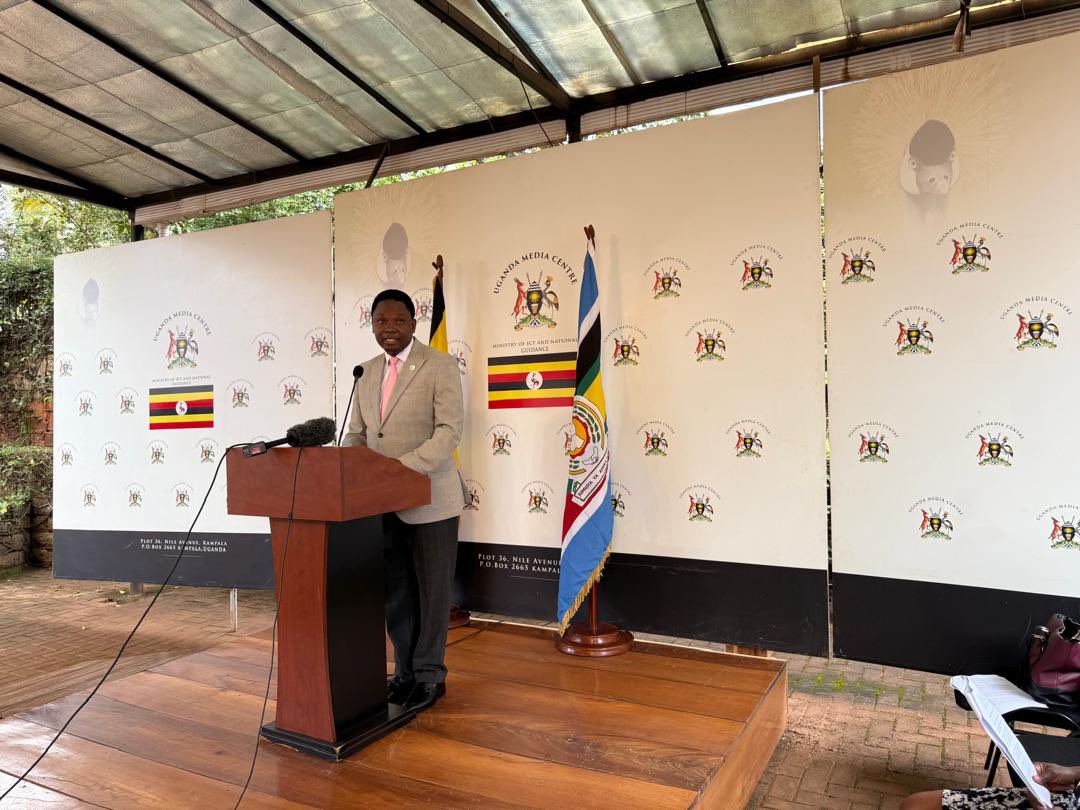
Speaking at the Uganda Media Center on April 9th, 2026, Dr. Richard Kabanda a Public Health Specialist from (MOH) noted that the second phase builds on the initial rollout that began earlier this week in eastern Uganda, where 4.5 million nets are currently being distributed across 33 districts over a 12-day period.
“Malaria remains a major public health challenge, but consistent use of insecticide-treated nets is one of the most effective tools we have to prevent it,” Dr. Kabanda said.
“We urge households in the targeted districts to register promptly when distribution teams reach their communities. One net is intended for every two people, and sleeping under it every night can significantly reduce infections,” he added.
The exercise involves door-to-door household registration, verification, and direct distribution conducted by Village Health Teams (VHTs) and local task forces.
Health officials have emphasized the importance of community cooperation, accurate data collection, and proper care and use of the nets to ensure maximum impact.
Dr. Kabanda noted that the previous campaigns have recorded high success rates sometimes exceeding 99 percent coverage thanks to coordinated planning and support from partners such as the Global Fund.
He described the 2026 campaign as one of the most ambitious to date, building on mass distribution efforts that have delivered tens of millions of mosquito nets across Uganda since 2013.
The second wave will progressively expand to other regions after the eastern phase, with logistics support from the National Medical Stores.
He also reminded the public that malaria prevention requires a combination of interventions, including indoor residual spraying where applicable, early treatment seeking, and elimination of mosquito breeding sites.
Distribution teams are already active in eastern districts, and residents are advised to follow official communication channels for registration and collection schedules in their respective areas.
While the scale of the campaign marks a significant step forward in malaria prevention, experts stress that sustained community engagement and complementary interventions will be key to achieving long-term reductions in infections across Uganda.