
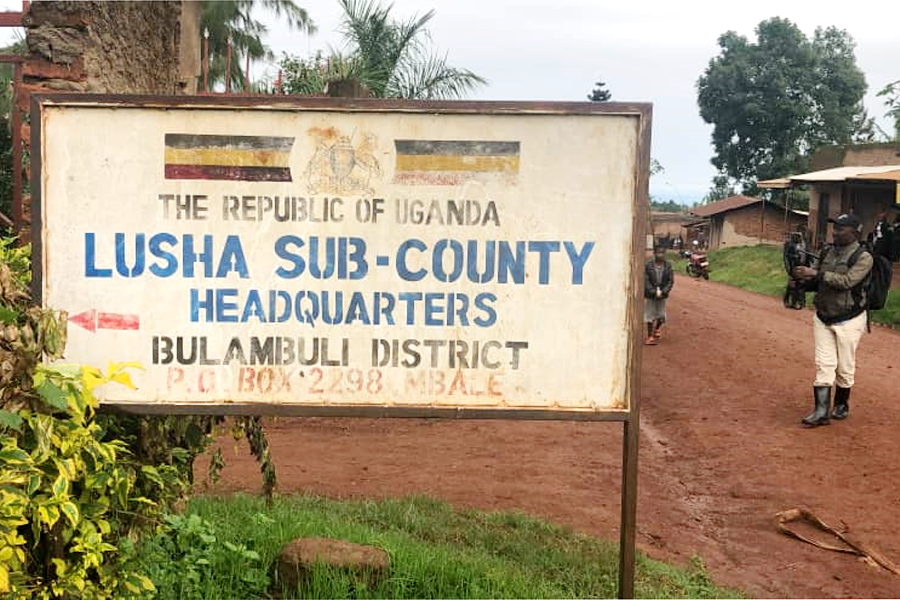
Bulambuli District has recorded significant growth in both voter registration and educational access, according to data from local authorities and the 2024 national census.
The district now has a population of 235,391 people, spread across 26 sub-counties and town councils, 123 parishes, and 1,313 villages.
During the 2021 Presidential Elections, Bulambuli had 71,664 registered voters, of whom 52,560 (73.3%) turned out to vote.
The NRM incumbent President Museveni secured 38,972 votes (76.4%), while the National Unity Platform (NUP) party presidential candidate Kyagulanyi Ssentamu received 10,788 votes (21.1%), with other candidates collectively obtaining 1,261 votes (2.5%).
As of 2025, the voter register has grown to 79,699, an increase of 8,035 new voters, while the number of polling stations has risen from 245 to 257, reflecting population growth and efforts by the Electoral Commission to enhance voter access.
Bulambuli has also made strides in education, with 54 government primary schools, 71 private primary schools, 12 government secondary schools, and 6 private secondary schools.
Government secondary schools offer Universal Secondary Education (USE) and Universal Post Ordinary Level Education and Training (UPOLET) programs, serving a total of 11,275 students.
Despite progress, gaps remain: only 54 of 123 parishes have a government primary school, and only 12 of 26 sub-counties have a government secondary school.
The Ministry of Education’s infrastructure program is addressing this, with three new Seed Secondary Schools under construction, which will reduce the number of sub-counties without a government secondary school from 14 to 11.
Annet Nandudu, the Bulambuli LC V Chairman praised the initiative, noting that the new schools will make it easier for children to access secondary education without traveling long distances.
“These new schools will ensure that more children can continue their education close to home, reducing dropouts and promoting learning in every community,” Nandudu said.
Youth leader David Wekesa highlighted that while the increase in voters and schools reflects Bulambuli’s progress, there is still a pressing need for more teachers and improved facilities, particularly in rural areas.
“Bulambuli is moving forward, but to truly support our children, we need more qualified teachers and better school facilities, especially in the villages,” Wekesa noted.
The District Education Officer Simon Wakiwe highlighted that the construction of new Seed Secondary Schools is expected to boost student enrollment and reduce dropout rates.
“The new Seed Secondary Schools will help more children stay in school longer and improve overall enrollment across the district,” Wakiwe stated.
As Bulambuli continues to grow, district leaders say their focus remains on improving infrastructure, staffing, and educational resources to ensure all children have access to quality education and that development reaches every corner of the district.