

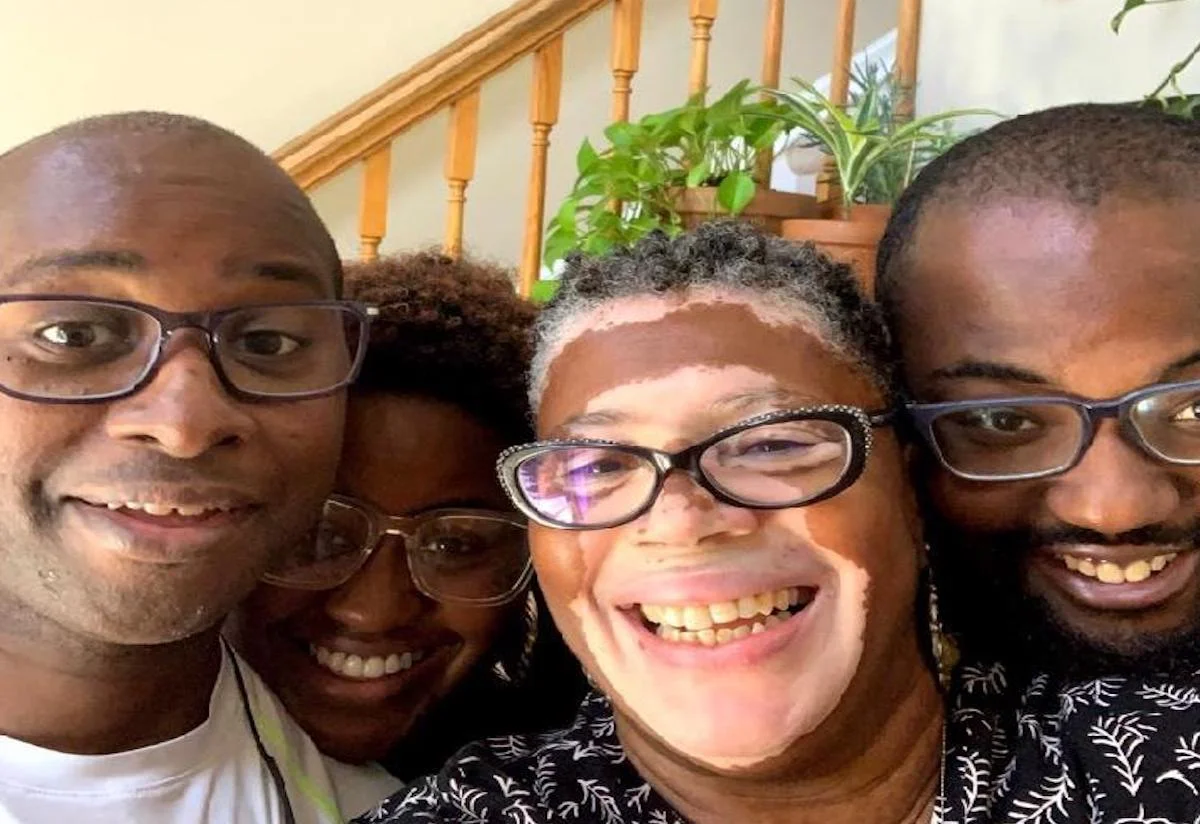
As the world commemorated World Vitiligo Day on June 25, voices rose across continents, loud, proud, and determined to dismantle myths and rewrite the narrative of beauty, strength, and acceptance.
Vitiligo is a skin condition in which pigment-producing cells (melanocytes) are destroyed, leading to the appearance of white patches on the skin. It affects people of all ages, races, and backgrounds. While it changes outward appearance, it does not touch the dreams, worth, or dignity of those who live with it.
This global observance, held annually on June 25, was established in 2011 to honor the memory of pop icon Michael Jackson, who had vitiligo and passed away on this date in 2009. Once misunderstood and shrouded in speculation, Jackson’s story has become a powerful symbol for awareness, empathy, and change.
Yesterday’s worldwide commemorations, ranging from online campaigns and medical seminars to community walks and art exhibits, focused on education, compassion, and confronting long-held myths. The facts are clear: vitiligo is not contagious; it is not caused by poor hygiene, curses, or supernatural forces; it is an autoimmune condition; and, perhaps most importantly, it is not the end of beauty.
With over 70 million people living with vitiligo globally, this day holds deep meaning. While many now embrace their unique skin, too many still suffer in silence, facing bullying, stares, whispers, and isolation born of ignorance and stigma. That is why this day is more than symbolic; it is necessary.
Medical professionals used the occasion to highlight key facts: vitiligo can begin at any age, though it often appears before age 30. It is not always hereditary. There is no known cure, but various treatments like topical creams, photo-therapy, and counseling for support can help manage the condition. Still, the most difficult challenge remains not on the skin, but in society.
“We do not need to fix people’s skin; we need to fix our attitude,” said Dr Hadija Nalule, a dermatologist in Kampala.
“Do not stare, smile. Do not whisper-learn. Do not judge support.”
World Vitiligo Day is a celebration of resilience. It honors not only those who confidently wear their patches but also those still learning to love their skin. It shines a light on the families who offer unwavering support and the doctors, artists, and advocates who work every day to shift mindsets.
In a world that often demands sameness, this day is a bold reminder that true beauty wears many shades and that real strength is found in our differences.