
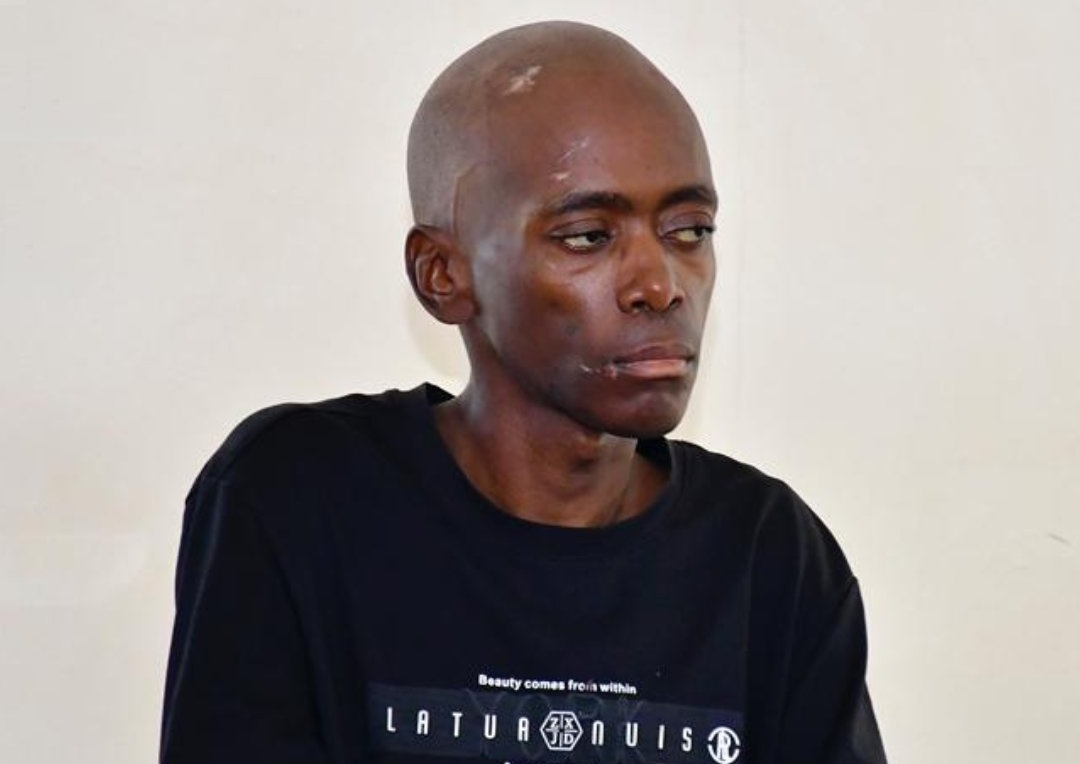
The High Court is set to deliver its verdict today in the case against Christopher Okello Onyum, bringing to a close a fast-tracked trial into the killing of four toddlers at a daycare center in Ggaba.
The judgment follows proceedings that have drawn national attention due to both the gravity of the alleged crimes and the speed with which the case has been handled. The court sat for about ten days within the community itself, under a mobile court arrangement introduced to allow residents to follow proceedings more closely.
Okello, an American national of Ugandan descent, stands accused of killing four children, all under the age of three, in an incident that shocked the country and sparked widespread calls for swift justice.
During the trial, the prosecution presented 18 witnesses in an effort to directly link the accused to the killings. Prosecutors argued that the evidence placed Okello at the scene and demonstrated intent, dismissing any suggestion that he was not in control of his actions.
The defence, led by lawyer Richard Kumbuga, relied heavily on an insanity plea, arguing that Okello has a history of mental illness. The defence pointed to a reported admission at Butabika National Referral Hospital in 2020 and urged the court to consider medical testimony in assessing his criminal responsibility.
However, lead prosecutor Jonathan Muwaganya rejected the claim, telling court that the accused’s past admission could have been deliberate and not necessarily indicative of a sustained mental condition.
“The truth is that after killing his brother, the family took him to Butabika as they prepared to whisk him to the United States,” Muwaganya submitted, suggesting a pattern that may influence future legal action.
As the court prepares to rule, the central issue remains whether the judge will accept the defence’s argument on mental illness or uphold the prosecution’s case that the accused was fully aware of his actions.
The outcome is expected to provide long-awaited clarity for the families affected and a community still grappling with the impact of the killings.
The verdict will also likely set the tone for how similar cases involving mental health defences are approached in Uganda’s criminal justice system.