

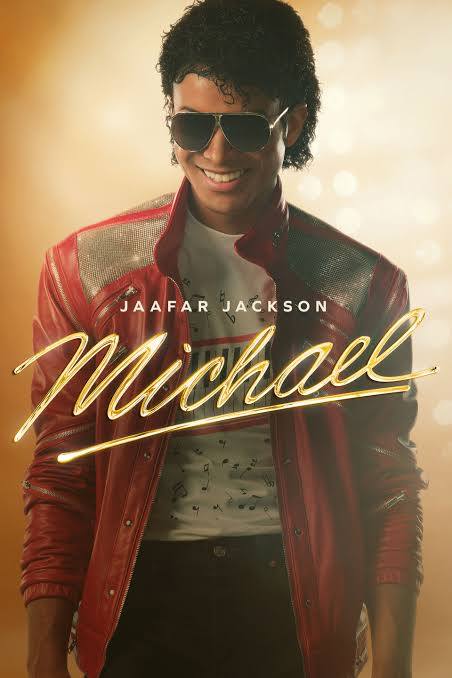
With the new biopic Michael now showing in cinemas and drawing huge global attention, conversations about Michael Jackson have surged once again. However, these conversations go beyond nostalgia. They return us to a simple truth: even years after his peak, his presence hasn’t faded. His name still carries a rare kind of weight, one that only a handful of artists in history have ever reached.
It starts, of course, with the music. But with Jackson, it never ended there. When he stepped into superstardom, he didn’t just thrive within pop, he reshaped it. Thriller wasn’t just a successful record; it redefined what success even looked like. It set new standards for global appeal, production, and cultural reach. His songs crossed borders effortlessly, connecting people regardless of language or background.
Then came the visuals. Before Jackson, music videos were often treated as simple promotional tools. He turned them into cultural moments. “Thriller,” “Billie Jean,” and “Smooth Criminal” weren’t just accompaniments to songs; they were cinematic experiences. They combined storytelling, choreography, and drama in a way that made audiences stop and watch. They felt like events.
On stage, that same level of intention carried through. Jackson didn’t just perform; he created unforgettable spectacles. Every movement had purpose. The moonwalk (or “backslide,” as many called it in Uganda) became one of the most recognizable dance moves in the world, but it was only one piece of a much larger artistic identity. Even today, traces of his style appear across artists from completely different genres.
His impact offstage mattered just as much. At a time when Black artists often struggled for equal visibility on global platforms, Jackson broke through those barriers in a highly visible way. He wasn’t just famous in one region; he was everywhere. His reach felt truly global, in a way that few artists have replicated since.
Still, Jackson’s story is not without complexity. His later years brought controversy and questions that continue to shape how he is remembered, from discussions about his changing appearance to serious allegations that sparked global debate. That complexity remains part of his legacy. It doesn’t erase what he achieved, but it continues to influence how people talk about him.
What stands out most, though, is how his influence hasn’t faded. New listeners continue to discover his work; established artists still cite him as inspiration. Jackson’s impact feels timeless, almost immovable. There are few corners of the world where his name isn’t recognized and where his music hasn’t reached.
Now, with Michael bringing his story back into focus, and with Jaafar Jackson stepping into his role, a new generation is being introduced to him in a different way. They may not have witnessed his rise in real time, but they are living in a world he helped shape.
In the end, that may be the clearest measure of his legacy; Michael Jackson didn’t just leave behind music. He left behind a cultural blueprint that continues to echo across time.