The Uganda Communications Commission (UCC) has announced plans to drastically reduce the number of broadcast media houses nationwide, describing the move as an effort to build a more professional and sustainable media landscape.
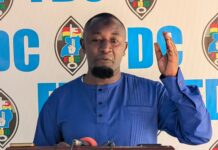
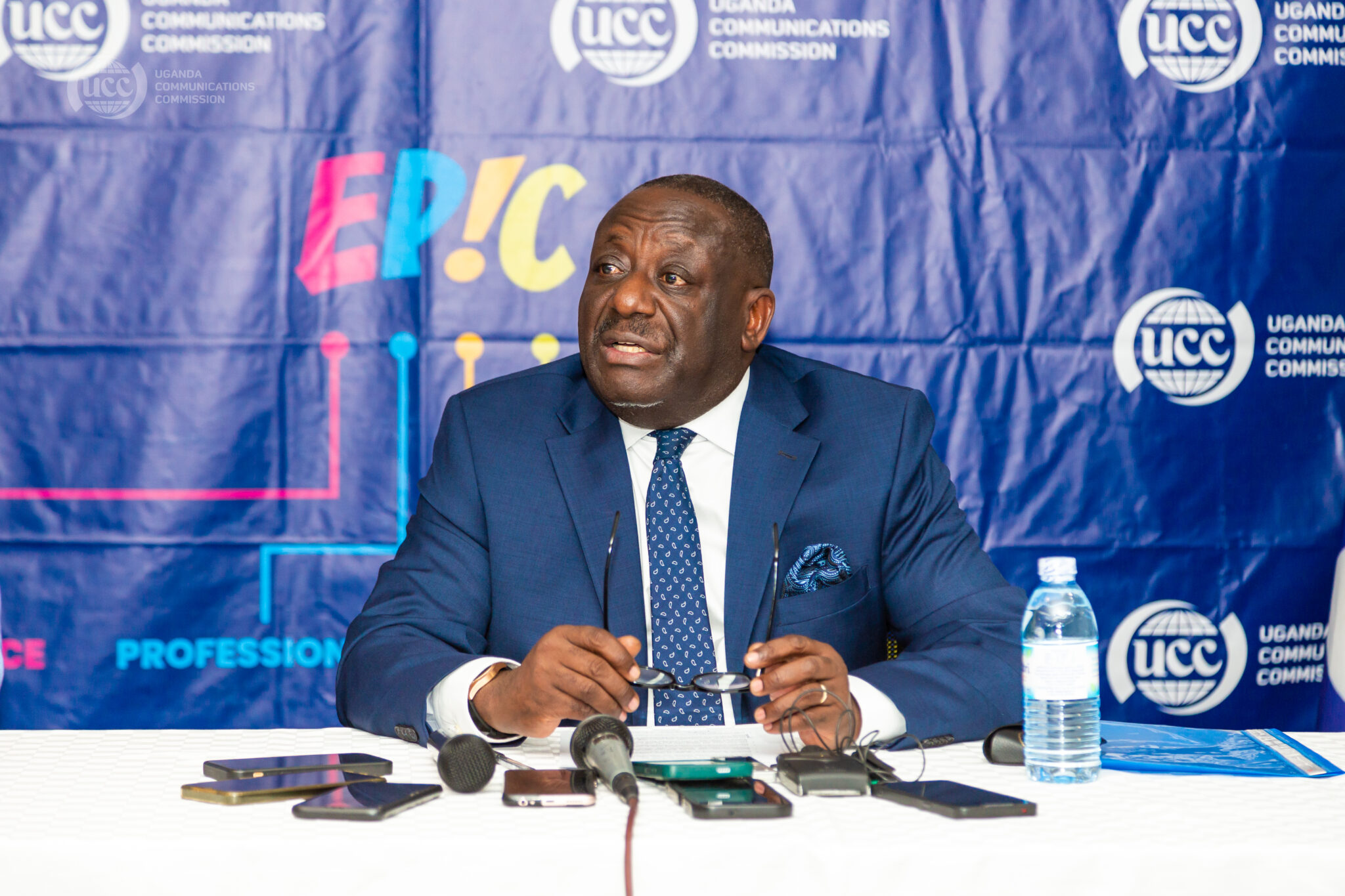
The announcement was made on Thursday, 2nd October, 2025, during the Central Regional Broadcasters’ Stakeholders Engagement, where UCC Executive Director Nyombi Thembo said mergers and acquisitions are being seriously considered to streamline the sector.
“The Commission is seriously considering reducing the number of broadcast media houses to build a more professional and sustainable sector,” Nyombi stated. “Mergers and acquisitions are now a real possibility for survival.”
The proposed shakes up comes amid rising concerns about financial instability and declining professionalism within Uganda’s broadcast industry.
According to Nyombi, many media houses are struggling to stay afloat, leading to underpaid journalists, ethical compromises, and declining content standards.
The proposed changes received mixed reactions from media executives.
One of them was the Next Media Group CEO Kin Kariisa, who urged the regulator to ensure fairness and consistency in applying media laws.
“We must ensure that the law applies to everyone equally, without fear or favor,” Kariisa emphasized. “While broadcasters are tightly regulated, the political class can run tally centers, control radio stations, and announce results as they wish. This creates an environment of impunity.”
Kariisa stressed that a strong, independent, and professional media is vital for Uganda’s democracy and economic progress, calling on government and regulators to support rather than stifle broadcasters through fair enforcement and policy clarity.
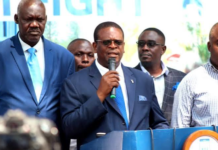
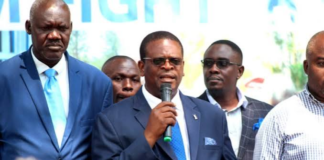
Guest of Honor Dr. Chris Baryomunsi, the Minister of ICT and National Guidance, backed the call for higher standards in the media sector, noting that professionalism is essential for national stability and public trust.
“Media stakeholders must uphold integrity and recognize their broader responsibility in shaping public discourse,” Baryomunsi said. “Ethical and professional media are not only vital for informing citizens but also for sustaining national stability.”
The UCC’s plan comes as Uganda gears up for the 2026 general elections, a period often marked by intense media activity. Regulators and government officials are emphasizing the need for responsible coverage and credible journalism ahead of the polls.
If implemented, the proposed media reform could significantly reshape Uganda’s broadcasting landscape, potentially merging, downsizing, or eliminating several outlets in favor of a leaner but more regulated industry.