

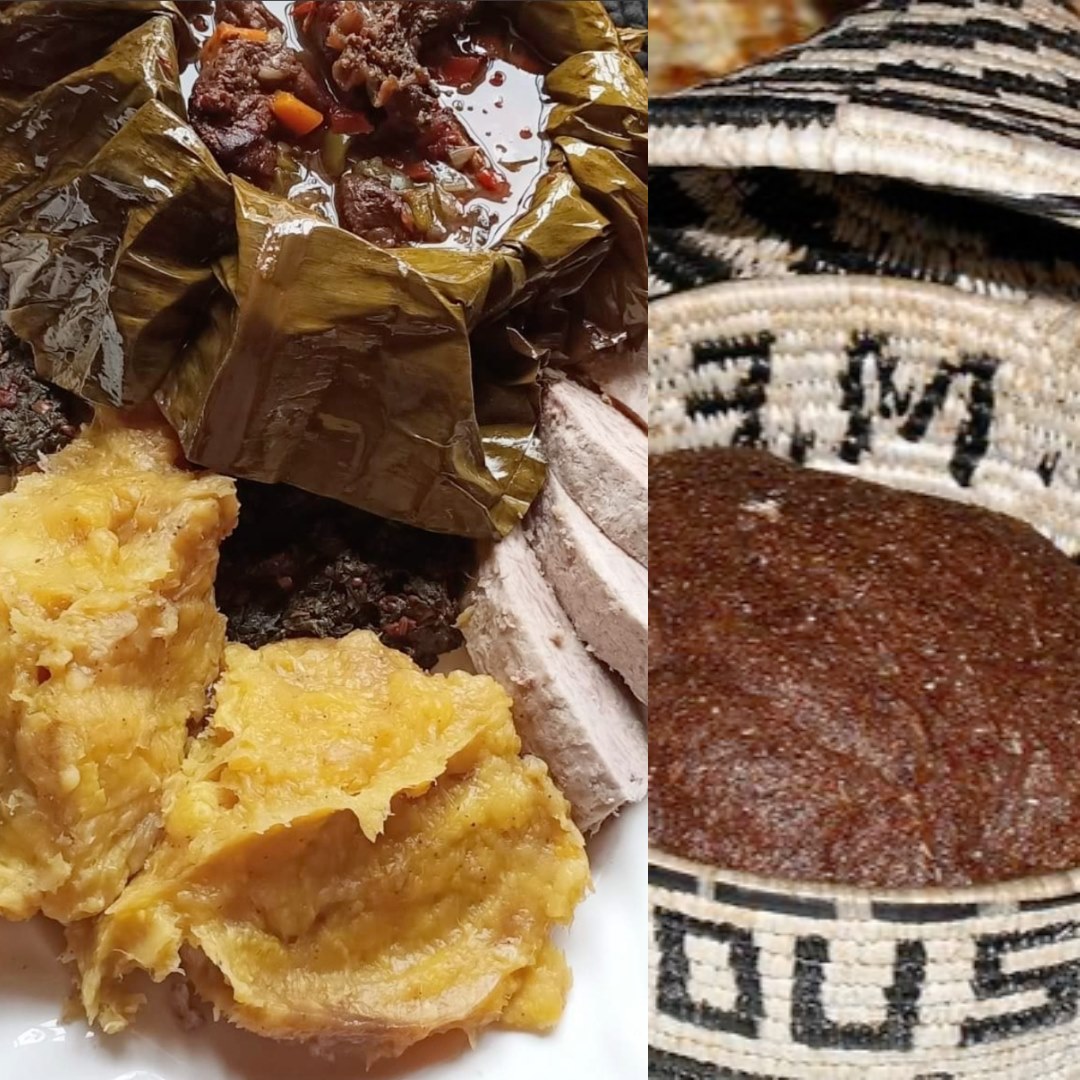
The Uganda Diabetes Association (UDA) has dismissed claims that traditional Ugandan staple foods are directly responsible for the rising prevalence of diabetes in the country.The experts warned that poor dietary habits involving processed foods are the bigger concern.
This follows a recent media article which attributed a growing number of diabetes cases to the consumption of staples such as matooke, and kalo (millet bread) foods that form the backbone of many Ugandan households.
In a statement issued on Wednesday, UDA President Dr. William Lumu, together with committee members Dr. Davis Kibirige, Dr. Susan Nakireka, and Edith Mukantwari, clarified that traditional staples in their natural form generally have a low to moderate glycaemic index and do not cause sudden spikes in blood sugar levels.
“These foods are safe when consumed in appropriate portions. There is no compelling scientific evidence linking staples like matooke and kalo to increased diabetes risk,” said Dr. Lumu.
The UDA also clarified that the article had misinterpreted a recent qualitative study by Dr. Juliet Kiguli, which focused primarily on how social and cultural norms influence individuals’ understanding and response to diabetes not on specific dietary causes.
According to UDA, the real dietary threats lie in the growing consumption of highly processed, high-sugar foods and beverages.
“Processed foods such as French fries, white rice, sugary sodas, and sweetened juices carry high glycaemic loads and are more likely to contribute to insulin resistance and Type 2 diabetes,” noted Dr. Kibirige.
In 2023, the Ministry of Health estimated that 1.4% of Ugandans aged 18 to 69 were living with diabetes, with a greater concentration of cases in urban areas. Experts say this rise has largely been driven by lifestyle changes, including reduced physical activity and increased intake of fast food.
The UDA urged the public and media to rely on evidence-based information and called for strengthened nutrition education campaigns to help Ugandans make healthier food choices.
“Staples are not the enemy. It is how we prepare and pair our meals, and how much processed food we consume, that makes the real difference,” said Dr. Nakireka.
The Association reaffirmed its commitment to supporting national efforts in the prevention and management of non-communicable diseases through informed public health messaging.