

In an age of fast food and instant meals, the Bakiga of southwestern Uganda remind us that true nourishment takes time and tradition.
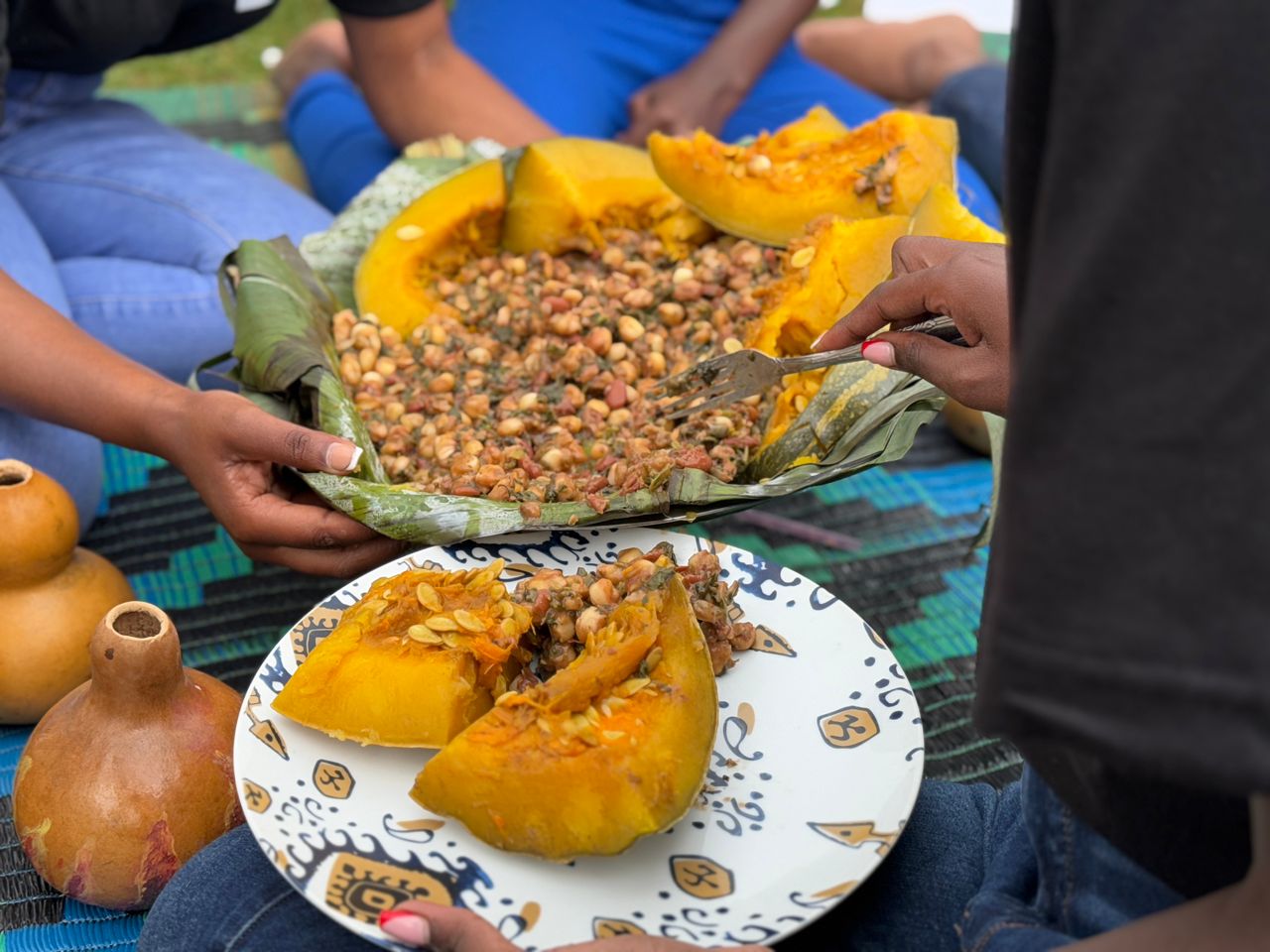
Their signature dish, empengyere, a slow-boiled blend of maize and beans, is not just a meal but an experience. Paired with nutrient-rich greens, served alongside a pumpkin, and washed down with obushera, a fermented sorghum drink.

This heritage cuisine fuels both body and spirit. It is no wonder the Bakiga are known for their strength, energy, and unmatched stamina on the dance floor, especially when the beat of ‘Ekizino’ begins.
However, unlike a majority of traditional dishes, preparation is an act of patience and tradition requiring the maize to be boiled for about eight hours until tender, after which beans are added to the pot.
In the respect to the same, inorder to boost both nutrition and flavor, stinging nettle ekyikyuringanyi and pumpkin leaves eshwiga are introduced into the dish. These greens are packed with vitamins and play an important role in digestion, perfectly complementing the carbohydrate-rich base of maize and beans.
Often, empengyere is served alongside pumpkin ekyoozi, a nutritious addition known for improving vision and aiding in the management of conditions like diabetes and prostate health.
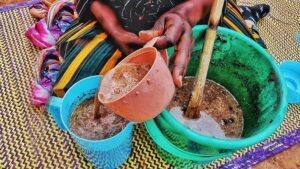
While many cultures might enjoy their meals with water, soda, or juice, the Bakiga opt for something far more refreshing: obushera.
This fermented sorghum porridge, served from a traditional gourd, is an energy-packed drink that complements the meal and fuels the famously strong Bakiga physique.
Obushera is more than refreshment, it is a cultural experience in itself taken with pride, savored slowly, and shared communally.
After a fulfilling meal of empengyere and obushera, the Bakiga often burst into the ‘Ekizino’– a spirited traditional dance full of rhythm, power, and joyful celebration.
Traditionally, empengyere is cooked in clay pots, which enhance its flavor with a rich, earthy aroma. Meals are shared while seated on the floor, encouraging togetherness and conversation.

The Bakiga are mainly found in the districts of Kabale, Rukiga, Kanungu, and Rukungiri. Their language, Rukiga, is still widely spoken, and their customs are preserved through storytelling, music, and communal life.
They are predominantly subsistence farmers, growing crops like bananas, maize, beans, and Irish potatoes; the same staples that sustain their diet and economy.
Historically, the Bakiga lived in small, close-knit communities where self-reliance and collective well-being were key values. These principles continue to guide their way of life, even in the face of modernity.
To truly understand the Bakiga, one must sit on the floor beside a clay pot, scoop empengyere by hand, sip obushera from a gourd, and rise to dance the Ekizino with heart and soul.
Their food is not only fuel; it is identity, history, and community; a testament to a people deeply connected to their roots.