Uganda has stepped in swiftly to steady its fuel market as escalating conflict in the Middle East rattles global energy supply chains and pushes crude prices upward.
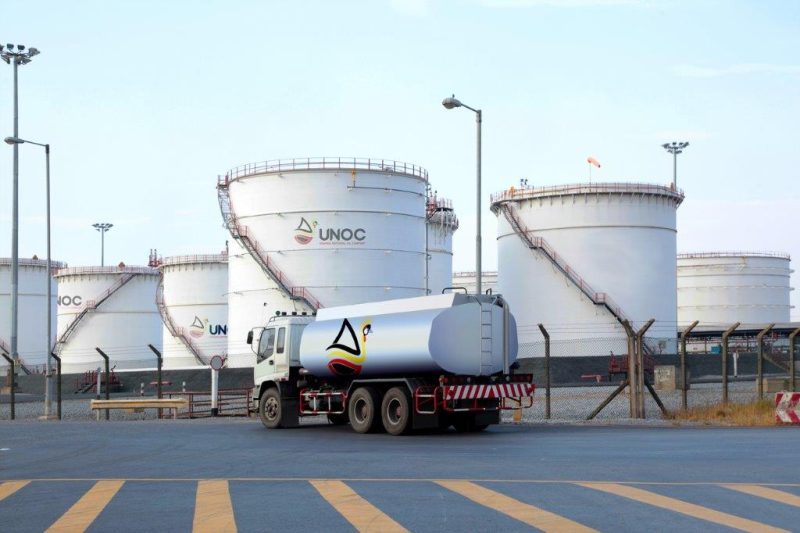
In a joint statement issued on March 2, 2026, the Uganda National Oil Company (UNOC) and the Ministry of Energy and Mineral Development assured the country that petroleum imports remain secure despite rising geopolitical tensions involving Iran.
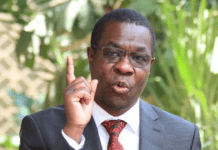
Tony Otoa, the Chief Corporate Affairs Officer at the Uganda National Oil Company (UNOC), has assured the public that Uganda’s fuel stocks remain stable and sufficient, and that there is no cause for alarm despite ongoing developments in the Middle East.
He noted that UNOC continues to closely monitor global supply trends and is working with relevant stakeholders to safeguard uninterrupted national fuel supply.
Tony Otoa, the Chief Corporate Affairs Officer at the Uganda National Oil Company (UNOC)
The assurance comes against the backdrop of intensified hostilities following U.S. and Israeli strikes on Iranian targets, a development that has reportedly disrupted portions of Iran’s oil infrastructure and tightened sanctions enforcement. Iran, one of OPEC’s significant producers, had been exporting over three million barrels per day prior to the escalation.
At the heart of market anxiety is the Strait of Hormuz, a narrow but critical maritime corridor that facilitates nearly one-fifth of global oil trade. Even limited instability in the strait tends to trigger price volatility and shipping disruptions.
Brent crude briefly surged above $90 per barrel as traders factored in potential supply constraints. Insurance premiums for tankers transiting Gulf waters have risen, while freight costs have climbed across Asian and European markets.
“Uganda will continue to have a reliable supply of petroleum products. UNOC and its supply partner are keenly following events and have taken all appropriate measures to ensure uninterrupted supply into the country,” the statement read.
Unlike markets heavily exposed to Gulf exports, Uganda’s procurement framework is structured around diversified sourcing and flexible routing.
“Our supply partner does not rely entirely on supplies from a single region and will continue working with alternative sources and routes for cargoes initially planned from affected regions,” UNOC stated.
Officials confirmed that scheduled fuel cargoes for March 2026 remain on track, with contingency mechanisms activated to absorb potential short-term shocks. In the immediate term, pump prices are expected to remain relatively stable.
While global markets continue to weigh whether the conflict will remain contained or widen into a prolonged supply disruption, Uganda’s response reflects a broader strategic shift toward energy security planning.
The government reiterated its mandate under the Petroleum Supply Act to safeguard national fuel stability, signaling that supply chain resilience has become a central policy priority.
UNOC urged the public and market players to remain calm as authorities monitor developments in coordination with international partners.