Uganda has recorded a remarkable reduction in new HIV infections over the last 14 years, falling from 96,000 cases in 2010 to 37,000 in 2024, according to the latest national HIV status report presented by the Uganda AIDS Commission (UAC).
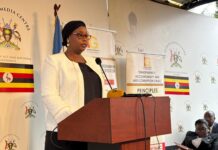
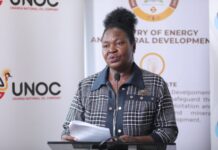
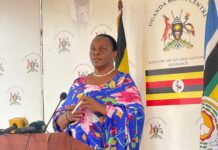
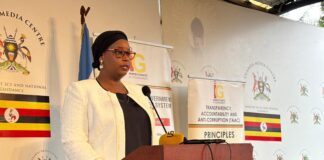
The report was unveiled today, 16th October, 2025 during an engagement with the Parliamentary Committee on HIV/AIDS and Related Matters, led by UAC Board Chairperson Canon Dr. Ruth Senyonyi alongside senior officials.
“Uganda is on the path to ending AIDS as a public health threat by 2030, but this requires consistent political commitment, sustainable funding, and intensified community engagement,” Canon Dr. Senyonyi said.
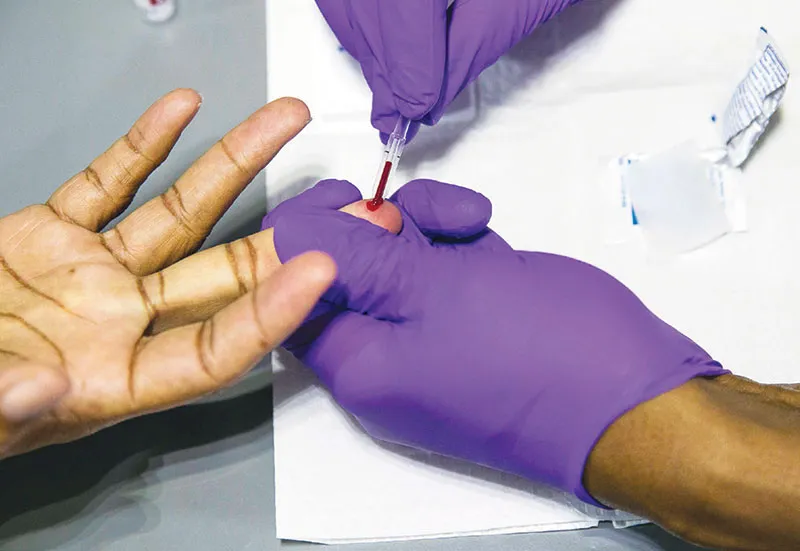
The findings also show a 64% drop in AIDS-related deaths, from 56,000 in 2010 to 20,000 in 2024. Meanwhile, the number of people receiving antiretroviral therapy (ART) has surpassed 1.4 million, marking a major milestone in HIV prevention and care.
Despite this progress, UAC cautioned that challenges persist, particularly among adolescent girls, young women, and in high-burden districts such as Kyotera, Kalangala, and Fort Portal City, where prevalence rates reach up to 14%, compared to the national average of 5.1%.
Mother-to-child transmission remains a major problem, and young women continue to face disproportionately high HIV infection rates.
While acknowledging the progress, Tom Etti, the Director for Partnerships at UAC, sounded the alarm over declining international funding for HIV programs, particularly from key donors such as PEPFAR and USAID, which have long supported Uganda’s fight against HIV/AIDS.
“We are entering a critical phase. Without sustainable domestic financing, we risk reversing the gains we have made,” the Director for Partnerships at UAC noted.
In response, UAC is calling for the expansion of local financing strategies, including national health insurance schemes and AIDS trust funds, to reduce dependency on foreign aid.
Uganda’s fight against HIV/AIDS demonstrates that sustained commitment, access to treatment, and community engagement can yield transformative results.
While significant progress has been made, continued investment, local ownership, and targeted interventions remain critical to close remaining gaps, protect hard-won gains, and ensure a future free from AIDS for all Ugandans.