Uganda is making significant progress toward eliminating mother-to-child transmission of HIV, but health experts say thousands of infants are still being infected each year.
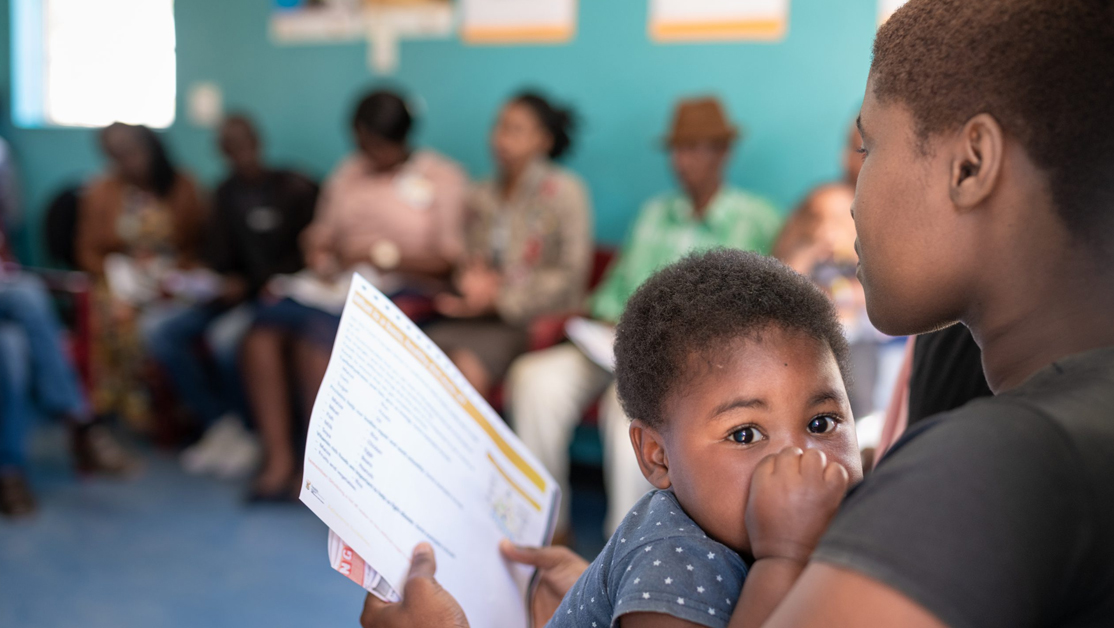
According to data released by UNAIDS, approximately 7,000 children in Uganda contracted HIV in 2024, mostly during childbirth and breastfeeding.
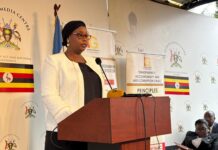
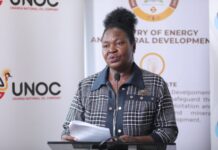
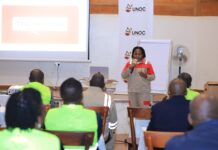
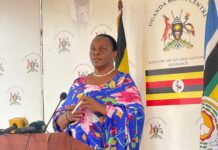
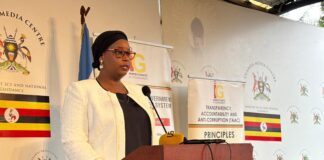
The findings were presented Wednesday, July 16, 2025 at a stakeholder event held at the Kampala Serena Hotel, organized by the Ministry of Health in partnership with UNAIDS.
Joshua Mubangizi, UNAIDS Uganda Country Director, acknowledged the strides the country has made but warned that more must be done.
“Uganda’s progress is great, but 7,000 children were still infected in 2024. This is a call to action to strengthen our prevention and treatment interventions to reach more vulnerable mothers and infants,” Mubangizi said.
Uganda’s mother-to-child transmission rate currently stands at around 6 percent, slightly above the global elimination threshold of 5 percent. Officials are optimistic the country is on track to achieve that target, with continued investments in prevention, testing, and care.
Dr Robert Mutumba, Program Manager of the AIDS Control Program, pointed to regional examples such as Botswana and Namibia, which have achieved or are nearing transmission rates below 5 percent.
“We see other countries like Botswana and Namibia that are on the pathway to achieving elimination. Uganda is close as well… With continued investment and interventions, we are optimistic that we will soon win this fight,” Mutumba said.
Health officials stressed the need for expanded antenatal care, improved access to HIV testing for pregnant women, and timely initiation of antiretroviral therapy. Safe breastfeeding practices and community engagement were also highlighted as essential components of prevention.
Despite years of progress, experts warn that sustained political commitment and increased funding are needed to fully eliminate vertical transmission of HIV.
The Ministry of Health is urging all pregnant women to seek early antenatal care and adhere strictly to treatment guidelines to protect their babies from HIV.