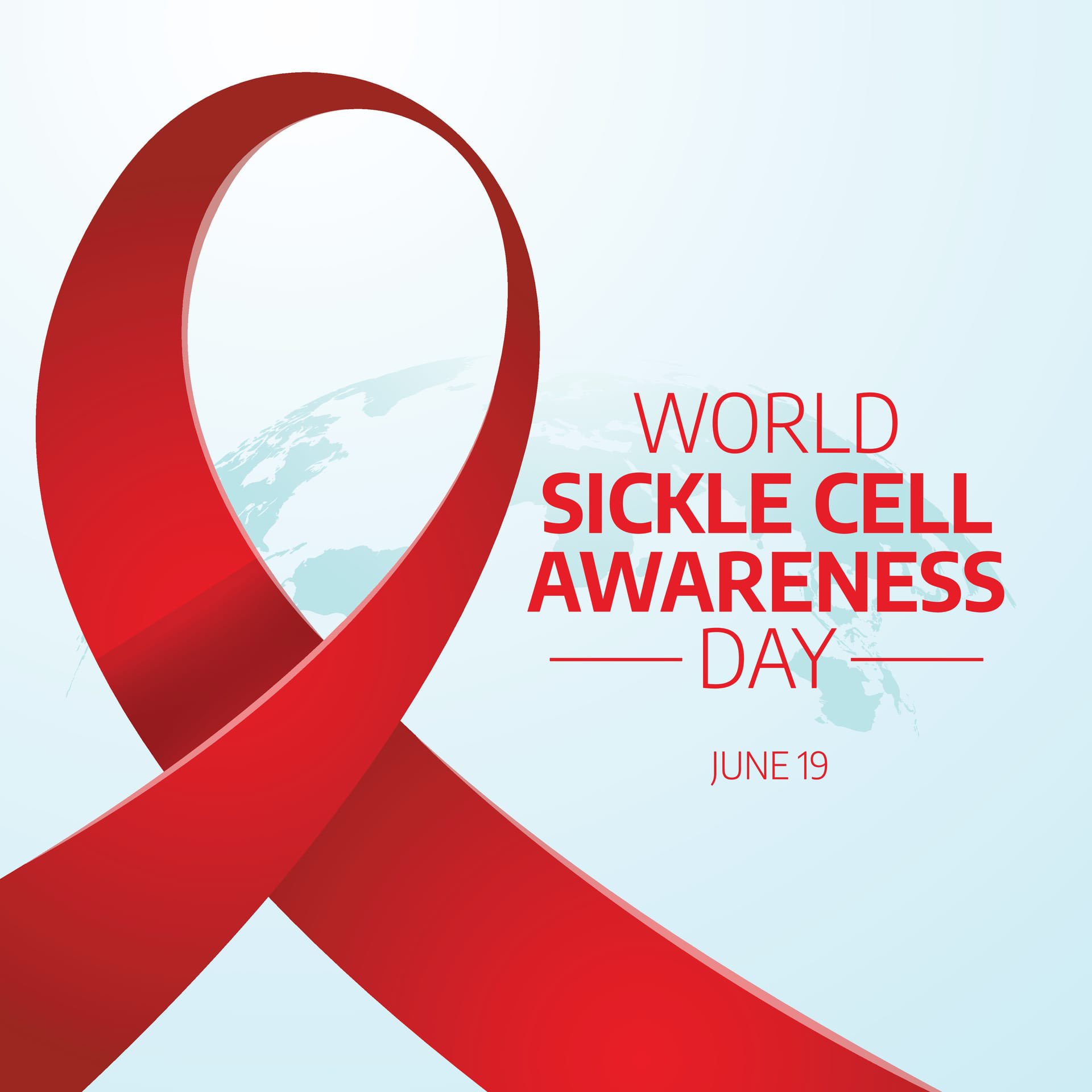
As the world commemorates World Sickle Cell Day today, Uganda has joined the global community in raising awareness about sickle cell disease (SCD), a hereditary blood disorder that continues to claim lives and strain families, especially in sub-Saharan Africa.
The day, observed every 19th June, seeks to improve public understanding of the disease, reduce stigma, and promote early diagnosis and treatment.
In Uganda, health officials, civil society groups, and individuals living with the condition are using the day to advocate for stronger national support systems and improved access to care.
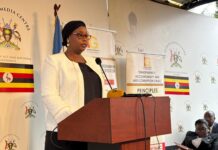
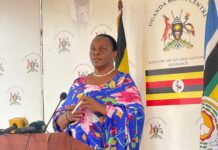
Speaking during a commemoration event held at Mulago Hospital, Dr Grace Nambatya, Director of Traditional and Complementary Medicine at the Ministry of Health (MoH), emphasized the importance of community testing and genetic counselling.
“Every child born with sickle cell disease deserves a chance at life. Early screening, proper nutrition, and timely medical care can make all the difference,” she said.
Sickle cell disease affects an estimated 25,000 babies born annually in Uganda, with prevalence rates highest in regions such as Northern and Eastern Uganda. Unfortunately, many families suffer in silence due to stigma and limited access to healthcare.
Sarah Achieng, a 17-year-old living with the disease in Soroti, shared her experience.
“It’s not just the pain, it’s the isolation. People don’t understand what we go through. Awareness is everything.”
The Ministry of Health has made strides in expanding neonatal screening programs and integrating sickle cell management into public health centers. However, funding gaps and limited public knowledge remain major challenges.
Health experts are urging the public to participate in sickle cell testing and encourage premarital screening to prevent the disease from being passed on unknowingly.
Parents, caregivers, and schools are also being called upon to offer psycho social support to children living with the condition.
World Sickle Cell Day was established by the United Nations in 2008 as a global call to action. This year’s theme, Global Action, Local Impact: Empowering Communities for Effective Self-Advocacy aims to recognize progress while pushing for equitable access to treatment for all.