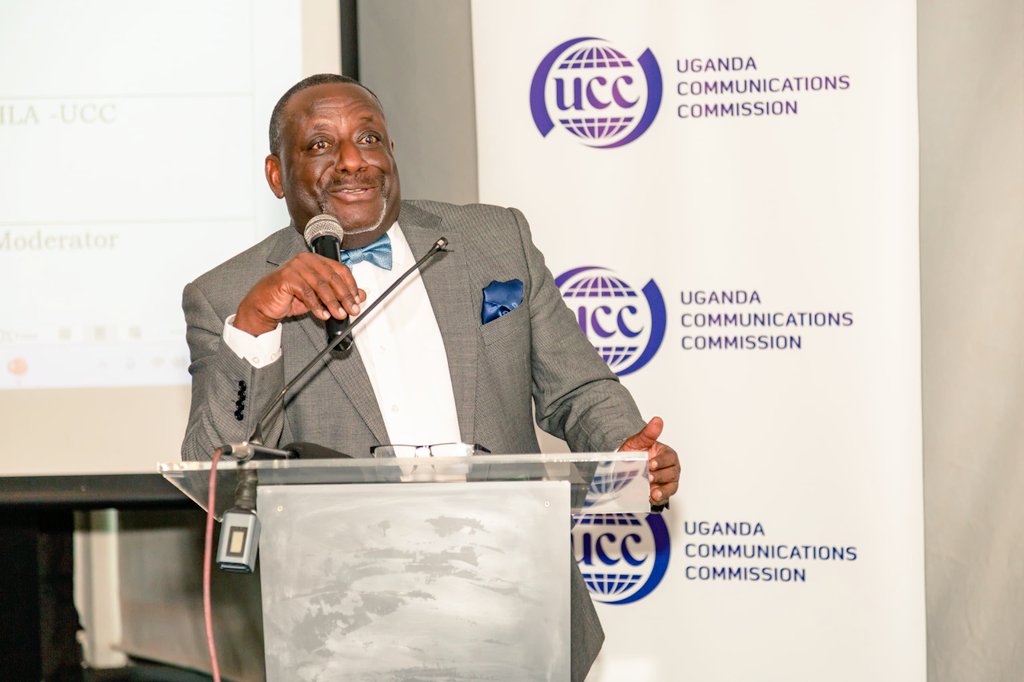
The Uganda Communications Commission (UCC) has prohibited media houses from setting up or operating tally centers during the 2026 general elections, warning that only results released by the Electoral Commission will be allowed for broadcast.
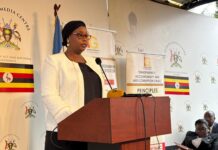
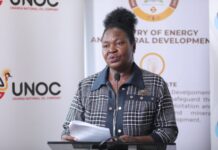
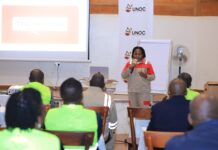
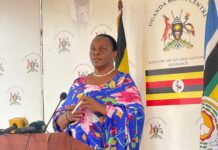
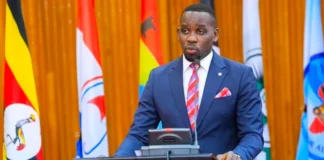
This directive was issued by the UCC Executive Director, Nyombi Thembo during a meeting with media executives in Kampala on Friday, 22nd August, 2025.
He cautioned that any breach could attract extreme sanctions, including the withdrawal of broadcasting licenses.
According to Thembo, the move aims to safeguard the integrity of the electoral process by ensuring that the public receives accurate information and is not misled by unofficial tallies.
“We are not going to allow unofficial or alternative tally centers by any media house. Elections are regulated by the Electoral Commission, which is the only body authorized to maintain a tally center,” he said.
“Just as we wait for UNEB to mark exams before reporting results, we must wait for the Electoral Commission.”
Thembo added that the UCC is collaborating closely with the Electoral Commission to establish a fair system, emphasizing that only verified results should be broadcast. He warned that announcing unverified results is unacceptable.
During the 2021 general elections, some media outlets were accused of operating tally centers that favour the government, while opposition politicians argued that other media were denied the same opportunity.
This occurred during a total internet shutdown in Uganda, sparking debate over how media houses operating tally centers were accessing the internet.
Nyombi called on journalists to maintain neutrality and practice responsible reporting during the political season.
“We need to remind ourselves about balance and fairness. The public expects the media to cover all sides of the political spectrum fairly,” the UCC Executive Director said.
“Selective reporting or bias not only undermines trust in the media but also distorts democratic choices. Our expectation is that journalists and broadcasters remain impartial referees, not players in the political context,” he added.
The UCC also urged media houses to avoid sensationalism, noting that unchecked information can destabilize society.
Supporting this view, UPDF spokesperson Felix Kulayigye also revealed that some media outlets have become promoters of hearsay rather than publishers of verified information.
He noted that, in the era of citizen journalism, anyone with a smartphone and internet access can share content, much of it unverified.
Kulayigye urged mainstream media to prioritize fact-checking to maintain credibility, stressing that the media has the power to either build or destroy society.
As Uganda approaches the 2026 general elections, UCC’s directive highlights the crucial role of media in safeguarding democracy. By prioritizing verified information, impartial reporting, and responsible journalism, media houses can help ensure a transparent electoral process and maintain public trust.