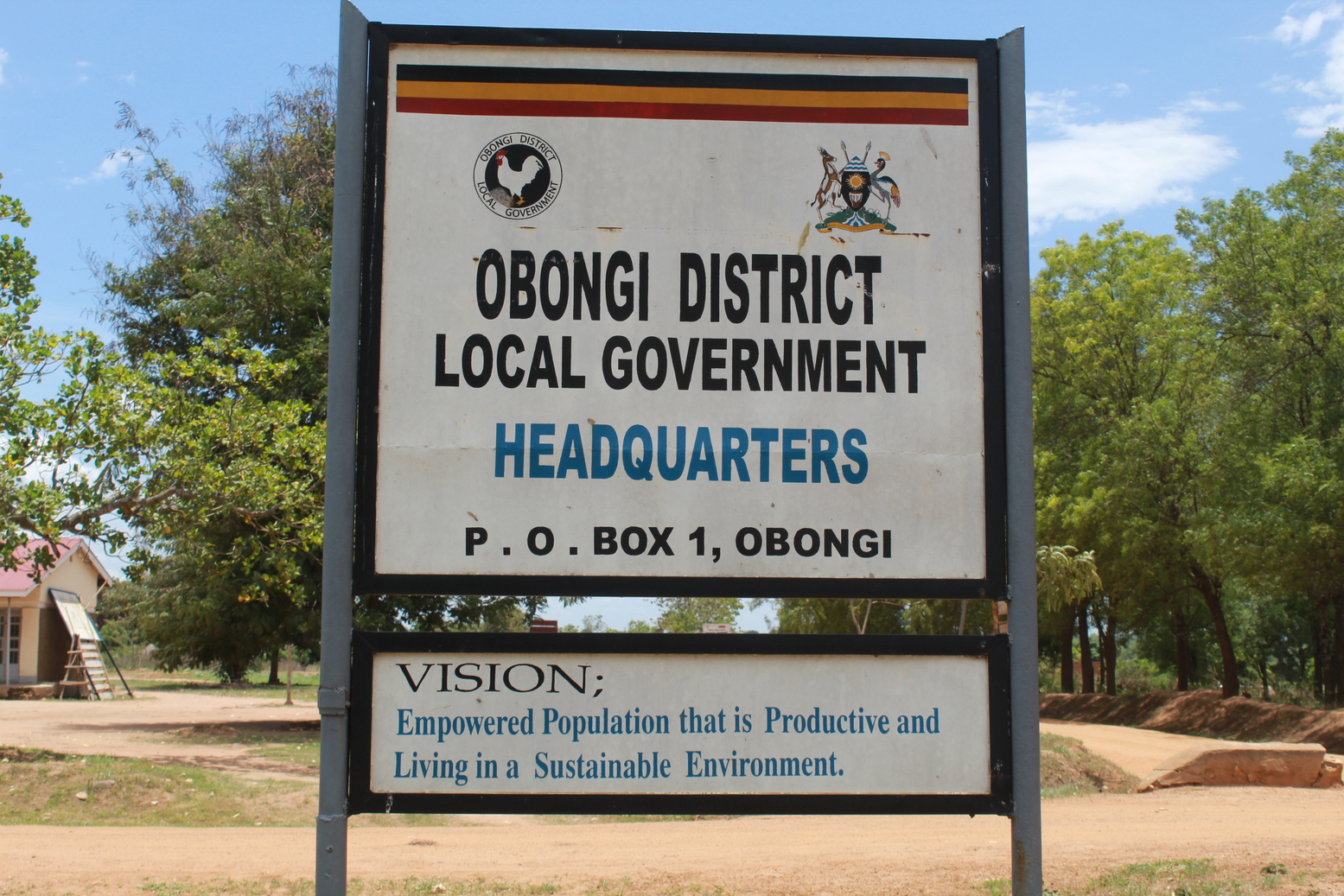
In Uganda’s West Nile region, Obongi District stands out as a powerful story of resilience and shared prosperity.
Once seen mainly as a center of humanitarian need, Obongi, a home to roughly 120,000 refugees, mostly from South Sudan, alongside about 50,000 local residents, is now redefining how displacement can be transformed into opportunity through inclusive economic growth, innovation, and strong community collaboration.
The arrival of refugees has reshaped Obongi’s social and economic landscape, transforming challenges into drivers of development.
With agriculture as the backbone of the district’s economy, both refugees and host communities are cultivating cassava, maize, beans, and vegetables on the district’s fertile land, building livelihoods and strengthening food security together.
To enhance productivity, initiatives like the Northern Uganda Resilience Initiative (NURI) have introduced solar-powered irrigation systems, enabling year-round farming and reducing dependence on unpredictable rainfall.
These innovations are improving yields and building climate resilience across the region.
Economic transformation is also visible in the marketplace. The establishment of modern community markets, such as the Dongo Market in Itula Sub County, has revitalized trade and created spaces where integration flourishes.
The market serves over 500 traders daily, providing stalls, office spaces, and essential amenities that have empowered both refugees and host communities to grow small businesses and earn a dignified living.
Beyond agriculture and trade, targeted livelihood programs are helping families diversify their income sources.
Through the World Vision-supported RISE project, households are gaining vocational skills in tailoring, agribusiness, and small livestock farming, including rabbits and fish, improving both income and nutrition security.
One of the beneficiaries, Silver Ayaan, a refugee from South Sudan, shared his journey.
“When I arrived in Uganda, I had no source of income. Through the RISE project, I learned farming and can now support my family,” Ayaan noted.
His story reflects the transformative impact of these community-based programs, giving individuals new skills and opportunities while strengthening the local community.
Local leaders, too, are supporting inclusivity.
Samuel Mpimbaza Hashaka, the Resident District Commissioner (RDC), emphasized the importance of shared progress.
“Our markets are not just trading centers; they are hubs of integration, where refugees and locals collaborate for mutual prosperity,’’ the RDC said.
“Refugees in Obongi are not just recipients of aid; they play a vital role in the local economy. By engaging in farming, trade, and small businesses, they strengthen livelihoods and support shared community growth with host residents,” Hashaka added.
Obongi District is a leading example of how refugee-hosting communities can prosper through inclusive planning, agricultural innovation, and community-driven initiatives.
Its experience shows that when communities, local leaders, and development partners work together, challenges can be transformed into opportunities.
By promoting inclusion, innovation, and shared prosperity, Obongi proves that refugees and host communities can not only coexist but thrive together, building a sustainable and hopeful future for all.