
Uganda releases the national seasonal weather forecast covering the March to May (MAM) 2026 period, commonly known as the long rains season.
The announcement, delivered on February 27th, 2026, at the Uganda Media Centre in collaboration with the Ministry of Water and Environment and the Department of Meteorological Services, aligns closely with the regional outlook from the IGAD Climate Prediction and Applications Centre (ICPAC).
Sam Cheptoris Mangusho, the Minister of Water and Environment, explained that most parts of Uganda are expected to experience wetter-than-normal rainfall conditions during the upcoming MAM season.
He said that this forecast carries a 45% probability of above-average precipitation across much of the Greater Horn of Africa region, including the majority of Uganda, as well as neighboring countries such as Rwanda, Burundi, Tanzania, central and western Kenya, Ethiopia, South Sudan, northern Somalia, and Djibouti.
According to the Minister, a 40% chance of near-normal rainfall was indicated for isolated areas within Uganda, particularly in some western and eastern zones, alongside parts of neighboring nations like western and eastern South Sudan, north-eastern and south-western Kenya, most of Somalia, and coastal Tanzania.
The release comes following the 72nd Greater Horn of Africa Climate Outlook Forum (GHACOF 72), held in Nairobi, Kenya, on January 26–27, 2026, where meteorologists from Uganda and other member states collaborated with global partners, including the World Meteorological Organization (WMO), to develop the consensus outlook.
Permanent Secretary in the Ministry of Water and Environment, Dr. Alfred Okot Okidi, highlighted the implications for agriculture, water resources, and disaster preparedness.
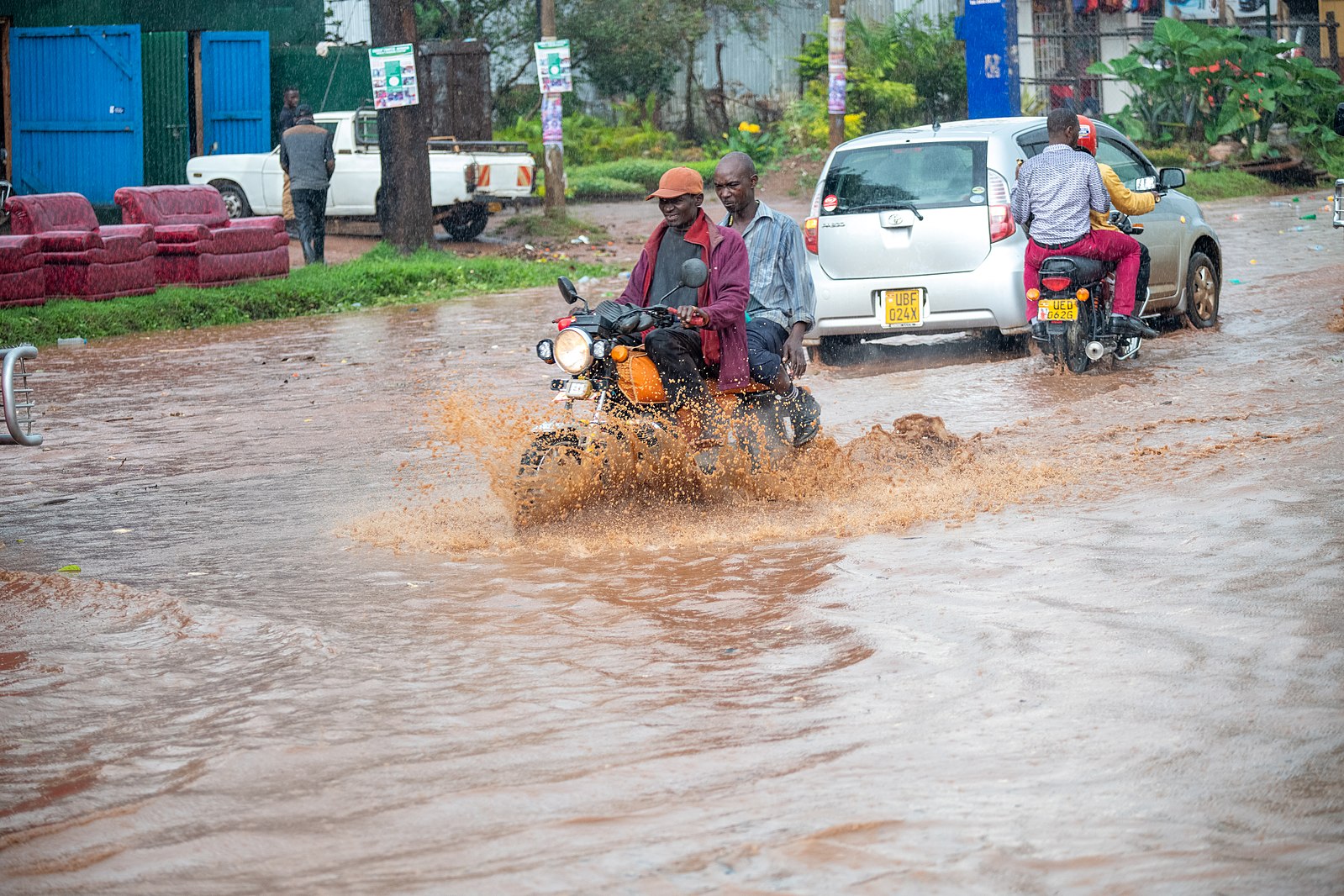
“This wetter outlook provides a window for robust planting, especially for rain-fed crops, but it also raises the risk of flooding, landslides in hilly areas, and disruptions in low-lying regions such as the Lake Victoria Basin,” Dr. Okidi noted.
Dr. Okidi urged farmers, disaster management teams, and local authorities to use the forecast for planning.
During this season, enhanced rainfall could benefit crop yields if managed well but poses threats of flash floods and soil erosion, particularly in vulnerable communities.
Kalema Abubakar Ddamulira the Pricinpal Meteorologists of the Uganda Meteorological Services encouraged the public to stay informed through official channels, including the Ministry of Water and Environment to mitigate potential impacts.
He noted that this MAM season forecast marks a shift from drier conditions observed in parts of February 2026, signaling the transition into the primary rainy period that supports much of Uganda’s agricultural cycle.
Kalema promised the continuity issuing regular updates, advisories, and more localized forecasts as the season progresses.