Uganda’s opposition leaders are questioning President Yoweri Museveni’s claims of success surrounding the Parish Development Model (PDM), a government initiative aimed at reducing poverty by empowering communities at the grassroots level.
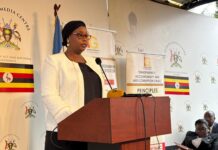
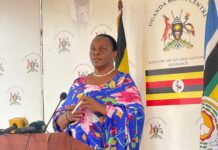
Speaking to the media on July 22, 2025, Justice Forum (JEEMA) spokesperson Swaibu Nsereko expressed doubt about the government’s reported achievements, citing a lack of publicly available performance data.
“As JEEMA, we do not fully agree with President Museveni’s assessment of PDM. Where are the key performance indicators? We urge the government to publish them,” Nsereko said.
Other opposition leaders, including Ssemujju Nganda, echoed similar concerns. He criticized the government for reportedly favoring a few selected voices in the president’s regional PDM tours. Nganda also questioned the scale of investment, comparing the Shs12 trillion allocated to civil servants to the Shs1 trillion directed toward supporting millions of vulnerable Ugandans.
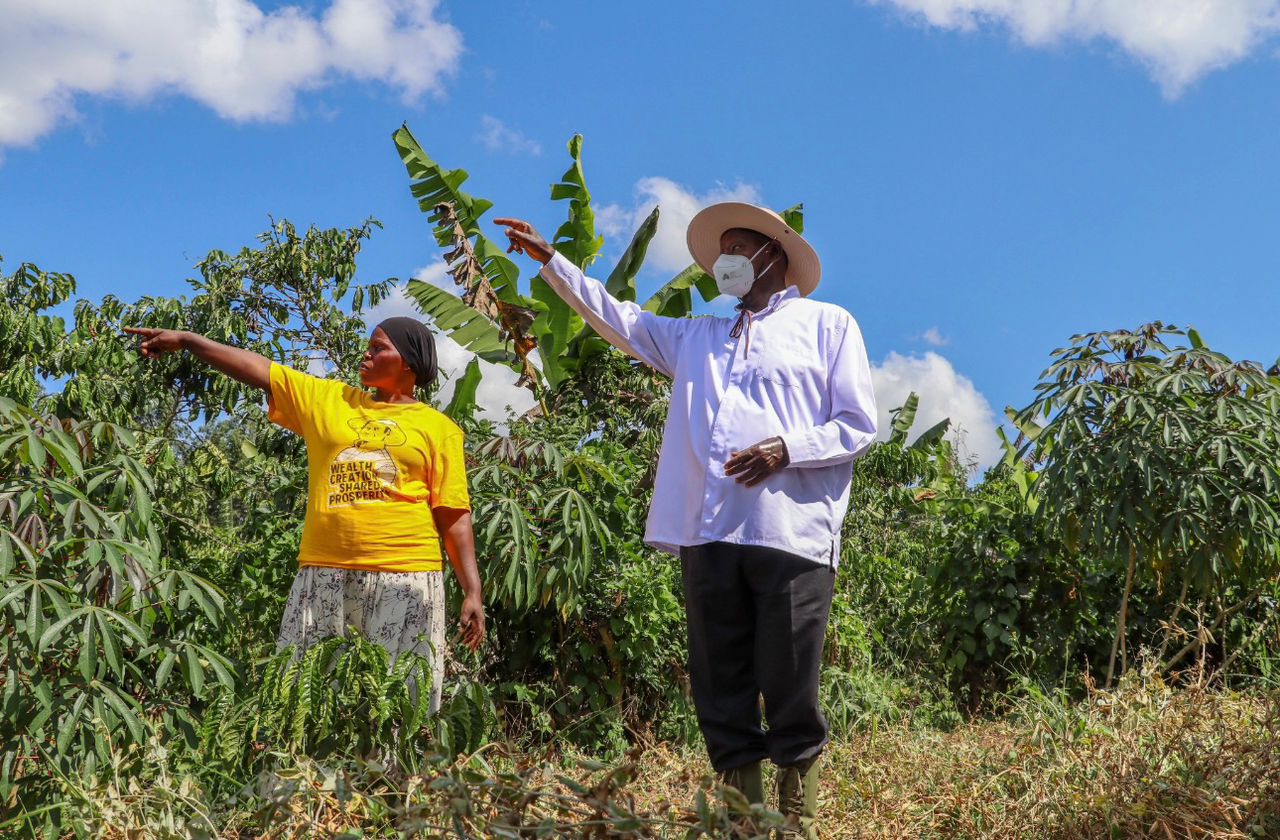
However, despite these criticisms, growing evidence from across the country suggests that the PDM is making real progress in transforming lives. Beneficiaries in both rural and urban communities report positive changes due to PDM funding.
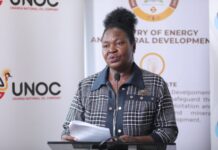
In Kampala, the Kampala Capital City Authority (KCCA) Executive Director Sharifah Buzeki highlighted visible improvements in parishes like Komamboga and Mutungo. She noted that many residents have successfully used PDM funds to grow small businesses, boost household incomes, and improve their overall living standards.
Similar stories of transformation have emerged from Greater Mukono, Luwero District, and the Soroti Region, where recipients have shared how the program has enabled them to start income-generating projects, improve food security, and reduce dependence on handouts.
As Uganda moves toward the 2026 elections, opposition parties are calling for increased transparency and performance tracking. They urge the government to publish detailed data on the number of beneficiaries per region, the amount of funds disbursed and recovered, and how the program is directly reducing poverty.
Kampala Central MP Muhammad Nsereko argued that without such transparency, public confidence in the program may weaken.
“The people deserve to see the evidence. Accountability builds trust,” he stated.
Still, the growing body of success stories and observed improvements in several communities suggest that, while not perfect, the Parish Development Model is achieving meaningful results in Uganda’s long-standing fight against poverty.