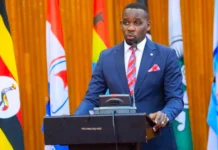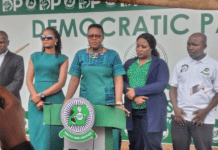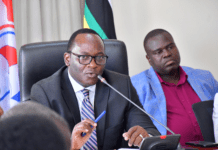

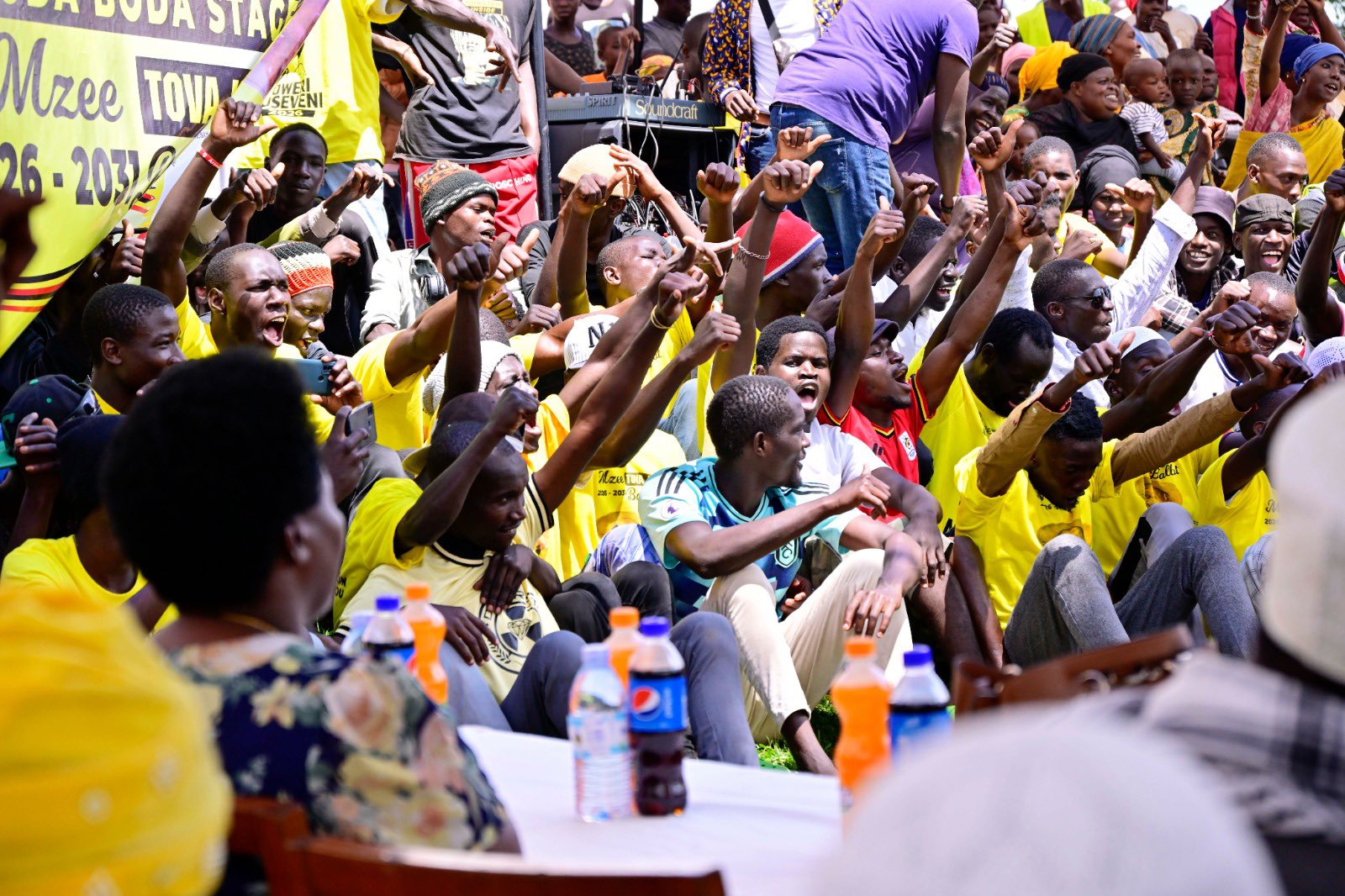
A group of youth cadres within Uganda’s ruling National Resistance Movement (NRM) has issued internal warnings yet against what it calls “political fishing” the recruitment and rapid elevation of formerly rejected opposition figures into strategic state positions.
In a statement released on March 2, 2026, the NRM Revolutionary Network argued that the trend risks weakening ideological discipline, eroding cadre morale, and distorting internal power balance at a sensitive political transition moment.
For decades, the NRM has defined itself as a broad-based Movement, priding itself on absorbing former adversaries. But the youth network now questions whether the strategy, once used to consolidate national stability, is morphing into transactional politics.
“Opportunistic political crossovers driven by convenience rather than conviction risk demoralizing loyal cadres who have defended and built this Movement for decades,” the statement read.
The criticism reflects a deeper tension inside the ruling party whether numerical dominance should trump ideological consistency.
By elevating high-profile defectors while long-serving cadres wait in the wings, the group argues, the party risks signaling that loyalty is secondary to political optics a message that could fracture internal cohesion over time.
The youth network’s intervention goes beyond party recruitment strategy, it directly targets the upcoming leadership of the 12th Parliament, calling for a publicly broadcast debate among all aspirants for Speaker.
The Office of the Speaker is not merely ceremonial, it shapes legislative priorities, and controls parliamentary procedure, influences oversight mechanisms, and can significantly affect executive-legislative relations.
By demanding transparency and open contestation, the youth bloc is effectively questioning how power is negotiated within the Movement.
“Parliament belongs to the people. The process of selecting its leadership should reflect openness, intellectual rigor, and accountability,” the group stated.
This proposal unprecedented within NRM internal processes suggests a generational push toward procedural legitimacy rather than elite consensus building behind closed doors.
Perhaps the most politically sensitive element of the statement is the caution against a two-term Speakership norm.
While continuity can provide institutional stability, the youth leaders warned that prolonged tenure risks transforming the office into a political springboard for presidential ambition.
When leadership positions become entrenched, they argue, parallel centers of influence may emerge potentially complicating internal party alignment and succession planning.
In Uganda’s political history, control of institutional platforms has often shaped broader power trajectories. The youth network appears to be signaling awareness of how parliamentary leadership can evolve into a national political launch pad.
Though framed as loyal counsel, the statement carries undertones of strategic positioning within the party.
The NRM Revolutionary Network emphasized that its intervention is rooted in safeguarding the Movement’s long-term survival, not undermining it.
“The future of the NRM depends not merely on electoral victories, but on disciplined internal systems, ideological consistency, and leadership structures that strengthen rather than strain national cohesion.”
The message suggests concern that unchecked pragmatism could weaken internal morale at a time when maintaining cohesion is critical.
Beyond immediate Speakership politics, the statement may reflect a broader generational recalibration within the ruling party.
Younger cadres appear to be demanding ideological clarity over symbolic defections, transparent leadership selection over elite bargaining and institutional integrity over personality-driven politics