When Nicole, a 26-year-old professional based in Entebbe, reconnected with an old university acquaintance earlier this year, she did not anticipate that a casual night out would become a life-altering experience.
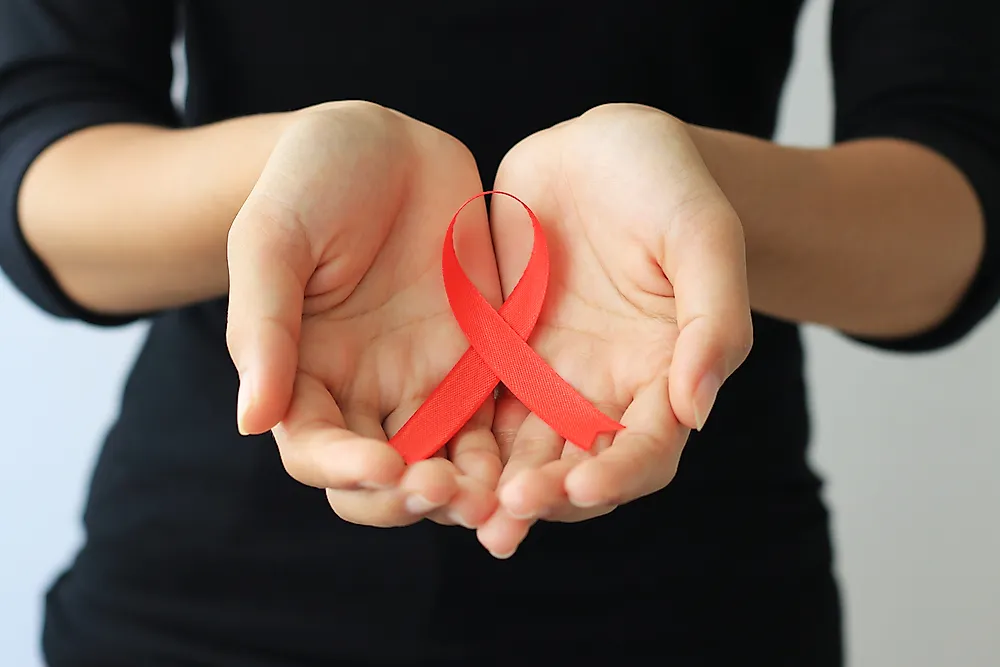
The night, which involved alcohol, old memories, and a brief sexual encounter, left her fearing the worst an HIV infection.
“I told him to use protection, and he did but midway, he removed it. I didn’t understand why. I was confused, shocked but it had already happened,” she recalled.
Nicole’s experience mirrors a troubling reality in Uganda, where new HIV infections among young women far exceed those among their male counterparts. According to the Uganda AIDS Commission, 10,822 young women contracted HIV in 2024 alone, compared to just 2,941 young men in the same age category.
This means nearly four young women are infected for every one young man.
The national HIV prevalence rate among young women (ages 15–24) now stands at 7.2%, compared to 4.3% among young men, placing Uganda among the countries with the highest HIV burden among adolescents, particularly young women.
Health experts and gender rights advocates say the root causes of this alarming trend are deeply structural, driven by a mix of economic vulnerability, gender inequality, power imbalances in sexual relationships, and limited access to sexual reproductive health education and services.
“Uganda remains a deeply patriarchal society. Men hold more economic and sexual power in relationships. For many young women, negotiating condom use is nearly impossible, especially when they depend on older or wealthier men.” says Dr. Janet Kaggwa, a reproductive health specialist at Mulago Hospital.
Nicole’s story is a case in point.
Derrick, the man she met that night, works with a United Nations agency. He and Nicole had known each other casually during their university days, often bumping into each other at student hangouts like Club Silk on campus nights.
After several years without contact, they reconnected unexpectedly at a Kampala bar, where Derrick generously covered the group’s drinks and gave Nicole and her friends $300 for their hangover recovery and transport. That same weekend, he invited her for dinner in Entebbe during a work conference.
“He sent me money for the Uber, picked me up at Victoria Mall, and took me to his lakeside hotel.He had dinner, wine, everything set up. He knew red wine was my favorite,” Nicole recounts.
Their evening turned romantic. After a few glasses of wine and reminiscing, they became intimate. Nicole insisted on using protection, and Derrick initially complied but later removed the condom without her consent.
For weeks, Nicole was tormented by fear. She researched HIV and tuberculosis symptoms online and grew increasingly convinced she had been infected.
“It was the longest three weeks of my life,I sweated at night and panicked every time I coughed,” she said.
She eventually went to a clinic under a false name to test for HIV and was relieved when her result was negative. She blocked Derrick’s number and hasn’t heard from him since.
But health officials warn that not all women in Nicole’s position are as lucky.
According to UNAIDS Executive Director Winnie Byanyima, 5,800 people are infected with HIV every day globally, and young African women and girls account for a disproportionate share of new infections.
Efforts to reverse the trend are underway. The Ministry of Health has scaled up HIV testing services, promoted Pre-Exposure Prophylaxis (PrEP), and introduced youth-friendly sexual health programs in schools and communities. But experts argue that more targeted efforts are needed.
“We need to address the root causes economic dependence, limited autonomy, and silence around sexual violence,HIV prevention isn’t just about condoms; it’s about empowerment,” said Dr. Kaggwa.
For Nicole, the scare was enough to change how she approaches relationships and personal protection.
“I survived, but many don’t. We need to talk more openly about this.One night should never cost someone their life,” she says.