President Yoweri Kaguta Museveni has directed National Resistance Movement (NRM) leaders to focus on delivering wealth creation at the household level, saying this is central to Uganda’s socioeconomic transformation.
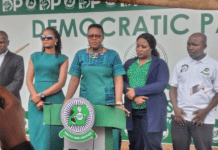
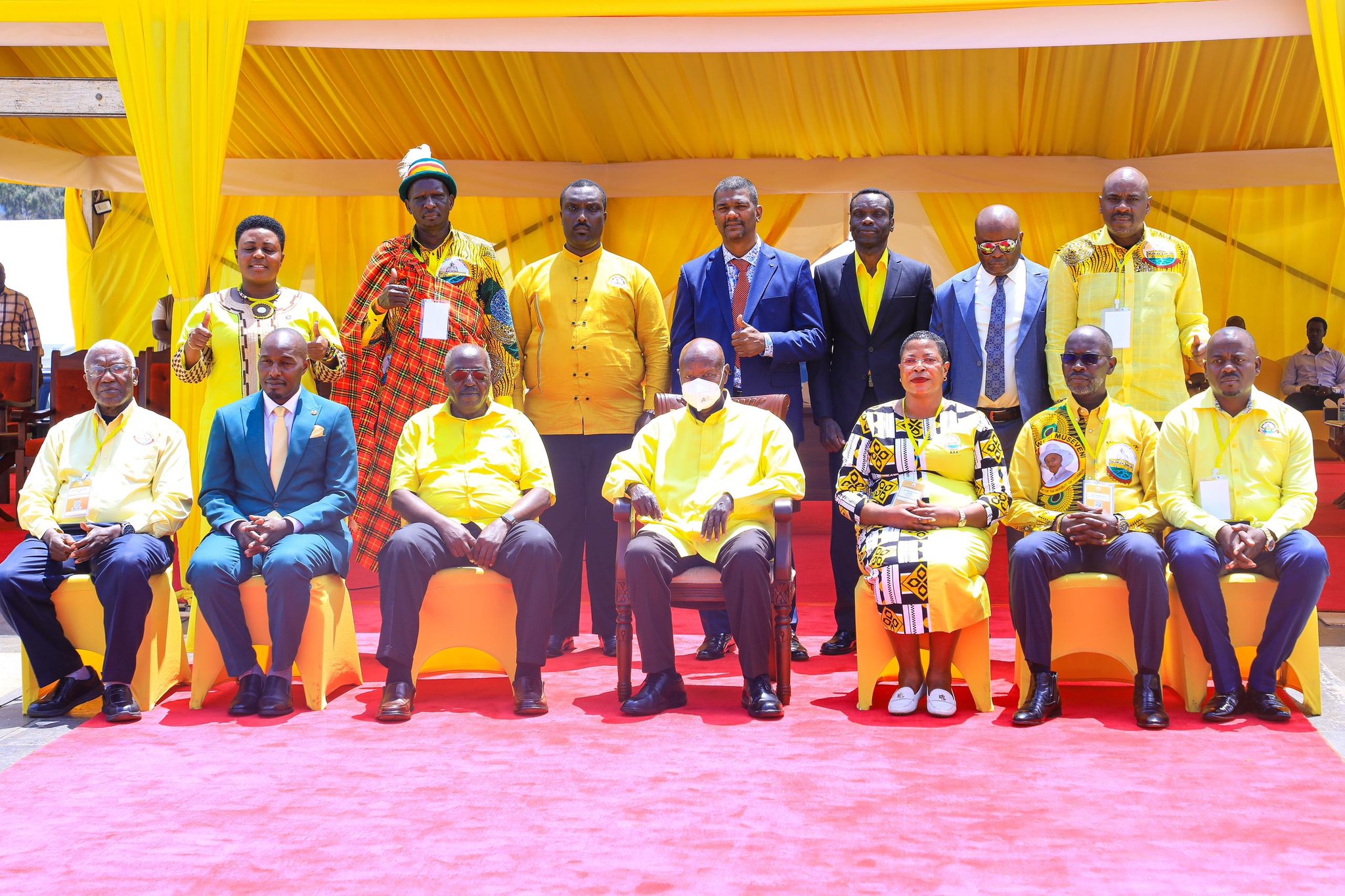
Speaking at the close of the NRM National Delegates Conference on Thursday at Kololo Independence Grounds, Museveni cautioned party leaders against “annoying” the NRM’s 18.5 million supporters by failing to effectively implement government programs.
“Wealth is personal, and every Ugandan must take advantage of the existing government empowerment schemes like the Parish Development Model and Emyooga,” Museveni emphasized.
Museveni also ordered investigations into allegations of bribery and the hiding of delegates during party elections, revealing that fresh elections will soon be organized for both the NRM youth and entrepreneur leagues.
Looking ahead to the next NRM government term, Museveni announced that all charges in government schools will be scrapped to achieve universal free education.
He further hinted at a new national roads infrastructure and maintenance strategy, alongside the construction of two safe and clean water systems in every village.
With a reported 20.7 million registered members, Museveni said the NRM remains a powerful political force that leaders must not take for granted in managing internal party affairs, especially in engaging the youth.
The conference, which drew over 23,000 delegates from across the country and ruling party representatives from South Africa, Kenya, Burundi, and Rwanda, endorsed Museveni’s strategic agenda. This includes consolidating peace and security, driving development, creating jobs, boosting manufacturing, and deepening Africa’s market integration.