
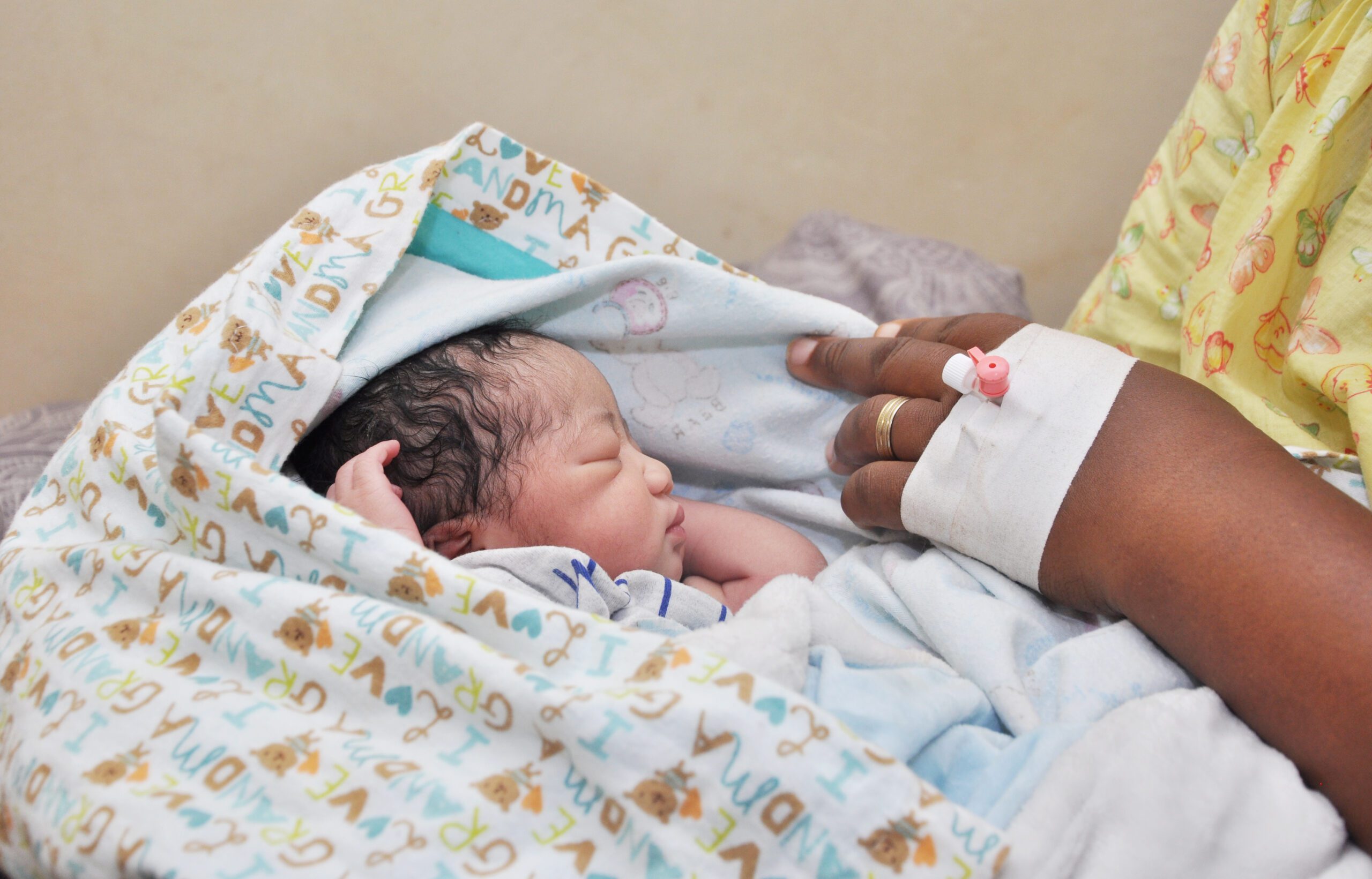
The Ministry of Health (MOH) has launched nationwide mandatory newborn screening for sickle cell disease to ensure children born with the condition can access early prevention care.
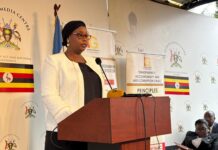
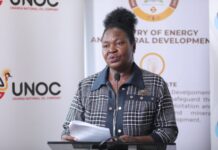
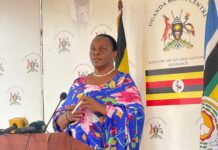
While addressing the press on Monday, February 9th, 2026, at the Ministry of Health in Kampala, Dr Diana Atwine, the Permanent Secretary of the Ministry of Health, said that the nationwide newborn screening for sickle cell disease indicates the inclusion of sickle cell diagnosis and care in the public health system.
She added that the program will be made available to all government hospitals in the country to ensure that children are screened at birth, and also those with sickle cell disease are followed up.
“We have also established a dedicated sickle cell clinic where we have specialists to deal with children with the condition, because some children come with many complications, such as organ failure,” Dr Atwine said.
According to her, the government has disseminated clinical guidelines and provided training to our health workers around the country to make sure that they all know how to take care of affected children.
Atwine revealed that the government has strengthened the sickle cell screening capacity in the hospital laboratories, including the distribution of testing kits to make testing more robust.
Commenting on the available preventive measures for sickle cell disease, she encouraged those with affected children to continue to use the hydroxyurea capsule, a medicine that modifies the disease to reduce pain episodes
“The only curative methods for this disease include bone marrow transplant and gene editing, which are extremely expensive. However, the surest way to prevent this disease in premarital testing to avoid marriage between people who are carriers of the disease trait,” Dr Atwine said.
According to Dr Deogratias Munube, a consultant at the Mulago National Sickle Cell Clinic, testing a child early saves significant amounts of money that would be used in the care of the child when they are admitted.
“The newborn screening will reduce long-term Health costs and improve productivity among the Ugandans who are diagnosed with sickle-cell disease. It’s also important for us to know that follow-up is important,” he says.
Munube explains that when children are not diagnosed early, the mothers and fathers don’t believe that they have sickle cell disease. Most times they are born well, breastfeeding and grow healthy.
However, symptoms usually show up between 3 and 6 months after birth.
He states the importance of counseling for the parents and an effective follow-up right after the child has been diagnosed with the disease.
“Every child born with sickle cell disease in Uganda deserves to be diagnosed at Birth and be given a chance to live. Uganda has the opportunity to become a continental leader in newborn screening, our policy, and our care practices,” Dr Deogratias Munube said.
Uganda has one of the highest burdens of sickle cell disease (SCD) in Africa, with a national sickle cell trait (SCT) prevalence of 13.3% and approximately 0.7% of the population affected by the disease.
Over 240,000 babies are born with the trait, and over 17,000 are born with the disease annually, primarily in Northern, East-Central, and Mid-Eastern regions.