Kenya has assured both its domestic market and neighboring countries that fuel supplies remain secure despite escalating armed conflict in the Middle East.
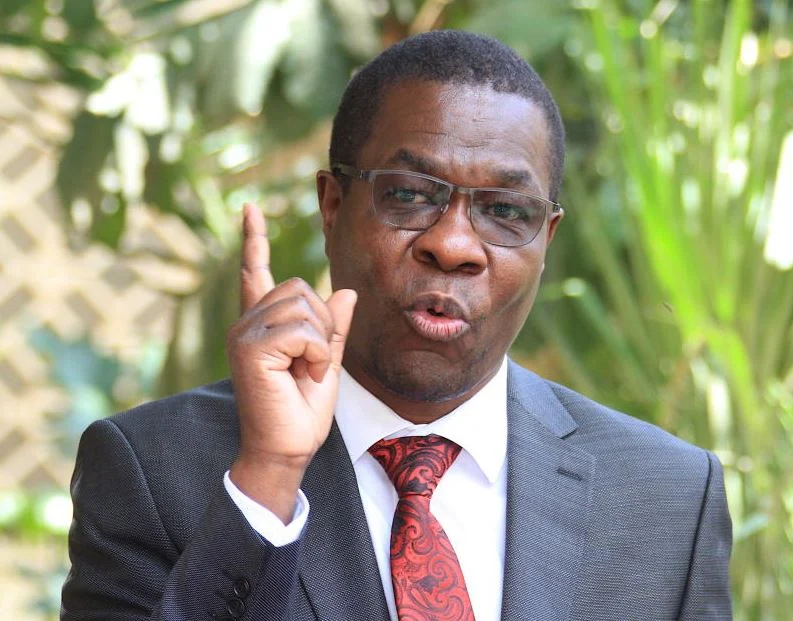
In a statement issued on March 3, 2026, Opiyo Wandayi, Kenya’s Cabinet Secretary for Energy and Petroleum, confirmed that the country holds sufficient petroleum stocks to meet national and regional demand.
“We have scheduled imports for delivery up to the end of April 2026 and, therefore, as it stands, we are assured of security of supply,” Wandayi said.
The reassurance comes amid intensifying military confrontation involving Iran, which has heightened fears of instability around the Strait of Hormuz, a critical maritime corridor that carries nearly 20 percent of global oil trade. Disruptions in the strait have already pushed up crude prices, freight costs, and shipping insurance premiums.
For East Africa, the concern is not only supply availability but rising costs. Higher global crude prices often translate into increased landed costs, potentially driving up pump prices and transport expenses across the region.
Kenya plays a central role as a fuel transit hub for landlocked neighbors including Uganda. Any prolonged disruption would quickly affect regional markets.
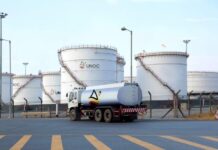
Meanwhile, the Uganda National Oil Company (UNOC) and Uganda’s Ministry of Energy have similarly assured citizens of stable imports, citing diversified sourcing and contingency planning.
While East Africa appears insulated from immediate shortages, analysts warn that a prolonged Middle East escalation could tighten global supply and place sustained pressure on regional fuel prices.