
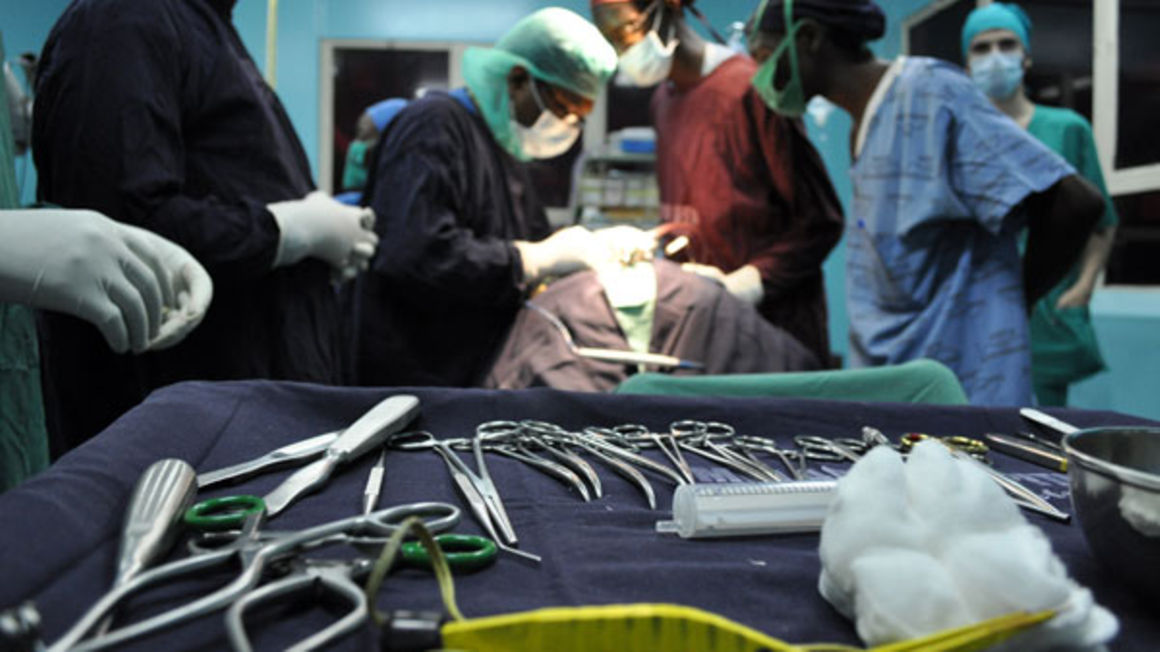
Kampala is witnessing a steady increase in Caesarean section (C-section) deliveries, raising questions about the factors shaping childbirth choices in the area.
According to the Ministry of Health, Uganda’s national C-section rate remains within the World Health Organization (WHO) guideline of 5–15 percent. However, Kampala stands out with a rate of about 34 percent, significantly higher than recommended.
Experts say improved access to healthcare is a key driver. In addition to improved healthcare access, cultural preferences and societal pressures may also play a role in the preference for C-sections. Some women might opt for surgical births due to the perception of them being safer or more convenient.
Additionally, medical professionals might recommend C-sections to mitigate potential risks during complicated pregnancies, contributing to the higher rates in Kampala.
The city has many private hospitals and specialized maternity centres, making surgical deliveries more available and, in some cases, more appealing. For some women, planned births feel safer and more predictable than natural labour.
Dr Richard Mugahi, the Commissioner for Maternal and Child Health, noted that women in urban areas are more likely to attend antenatal care and maintain close contact with gynaecologists. This increases the likelihood of medical intervention, whether required or elective.
Social perceptions also play a role where some women opt for C-sections to avoid labour pain or uncertainty, while others worry about physical changes after a vaginal delivery, despite medical evidence showing a normal recovery.
At the same time, more women are embracing the right to choose how they give birth, seeing C-sections as a personal option.
However, Dr Emmanuel Byaruhanga from Kawempe National Referral Hospital warns that C-sections are major operations with risks such as infection, long recovery, and complications in future pregnancies.
He stressed that they should mainly be performed when medically necessary.
In this context, informed decision-making becomes crucial, as it empowers women to understand the potential benefits and risks associated with both C-sections and natural births.
By having access to comprehensive information and guidance from healthcare professionals, women can make choices that align with their health, values, and personal circumstances.
This not only enhances patient autonomy but also ensures that surgical interventions are reserved for situations where they are truly needed, thereby safeguarding maternal and infant health.
Experts say the focus should remain on informed choices, ensuring women understand both the benefits and risks while improving safe maternal care nationwide.