
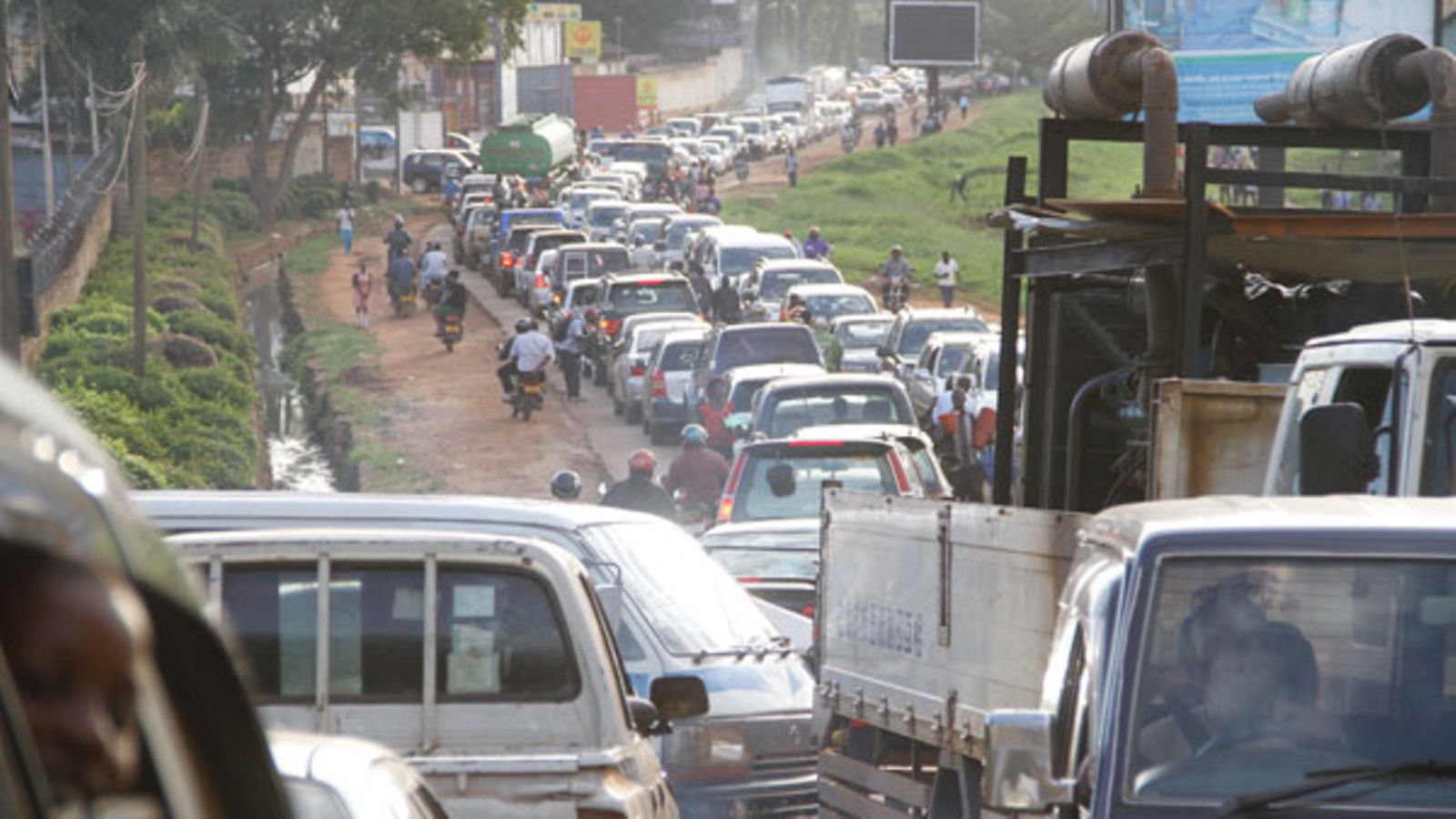
Kampala’s roads have become battlefields with impatient drivers clashing with swarming boda bodas, while confused pedestrians weave sluggishly against the tide, horns quarrelling amidst thick clouds of black exhaust.
Picture this, you reside in Bulindo. You get up at 5:30 am sharp to get ready for work in the capital city. By 6:00 am, you are on the road. Two hours later, it’s now 8:00 am, and you are still on the road and not even out of the suburbs yet.
To make matters worse, your employer does not understand the predicament you find yourself in, even when you have made an effort to get up early.
This is the reality of most road users in Kampala today. Social media is awash with experiences just like the one above, and it’s only getting worse as the days go by.
The longest traffic jam in recorded history occurred in China in August 2010 on the Beijing-Tibet Expressway (G110/G6), stretching over 100 kilometers (60+ miles) and lasting for 12 days. That was 16 years ago. At the time, this seemed so alien to the average Ugandan mind. Imagine that, 12 days in traffic jam!
Truly an event that would excite a roadside vendor. We are closer to a 12-day traffic jam in Kampala than we are to the return of Christ.
The festive season of 2025 is a testament to this; several netizens shared their experiences on social media as they returned to Kampala from their country homes after the festive celebrations.
Individuals were stuck on the road, immobile for close to 16 hours on Masaka road on 30th December into 31st December 2025.
The excessive traffic issue has been slowly creeping up over the years, which can be attributed to a variety of factors like rapid urban growth, inadequate road and transit infrastructure, and most notably, rising vehicle ownership and behavioural issues among road users.
It must be admitted and highlighted that the roads in and around Kampala are in a detestable state, and this has greatly contributed to the nauseating traffic jam that citizens have to endure every day. But there are factors that are brought upon us by ourselves as a people: the behavioural patterns of road users.
To say that most of us lack road discipline is an understatement. Between taxis swerving in and out of the road without warning, arrogant individuals creating four lanes on two-lane roads, boda boda riders acting like they have to get to their destinations by yesterday, and pedestrians crossing at green lights, we must hold ourselves accountable.
Real change starts with us taking responsibility and playing our part in curbing traffic as the government is undertaking road maintenance and upgrades.