

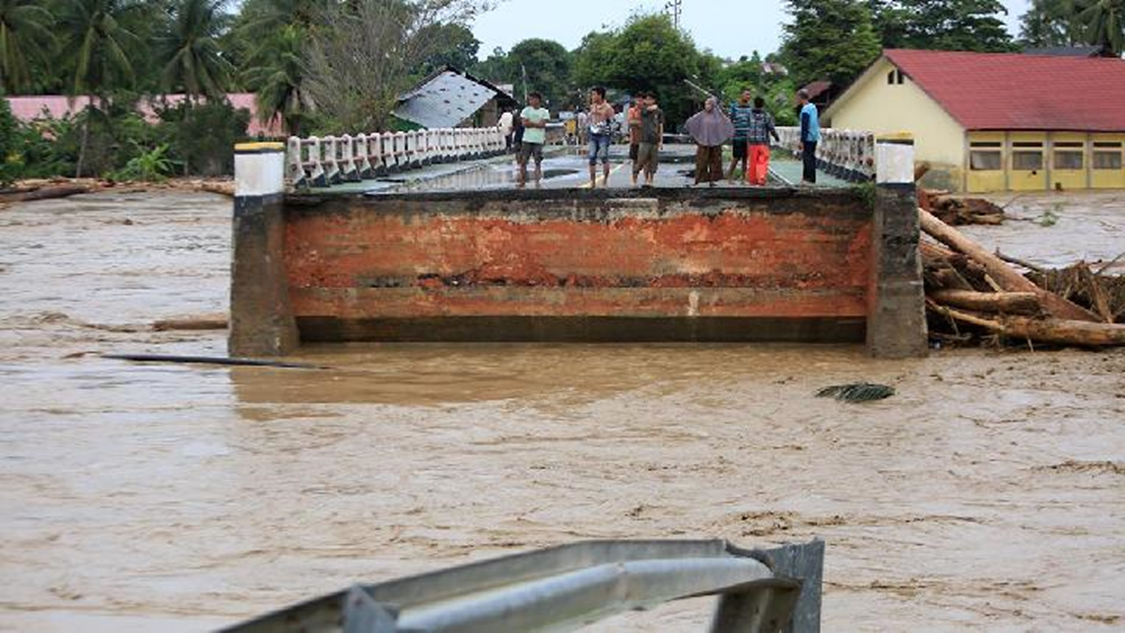
Heavy rains and landslides have overwhelmed Sri Lanka, leaving more than 40 people dead and crippling the country’s transport network.
On Thursday 27th November 2025, authorities stopped passenger trains and closed key roads in affected areas, creating severe disruptions for residents and emergency services.
According to the government’s Disaster Management Centre, 25 deaths occurred in the tea-growing mountainous districts of Badulla and Nuwara Eliya, while 21 people remain missing.
The same downpours have flooded homes, fields, and roads, making travel nearly impossible in several regions.
Ruwan Perera, a local transport official said that the entire stretches of road have been swallowed by floodwaters, and landslides have blocked major highways.
“For many communities, reaching the nearest hospital or market has become a dangerous challenge,” Perera said.
Rail services have also been severely affected by rocks, mud, and fallen trees have covered railway tracks, forcing authorities to stop trains in some mountainous areas.
Shanaka Fernando, an official with Sri Lanka Railways said that the damage to our rail and road infrastructure is extensive.
“We are prioritizing clearing main routes, but the safety of passengers and staff comes first,” Fernando said.
In some locations, residents have been stranded on rooftops, requiring rescues by air force helicopters, navy boats, and police teams.
The number of deaths from this week’s weather is the highest recorded since June last year when 26 people died due to heavy rains.
Experts warn that Sri Lanka’s reliance on monsoon rains for irrigation and hydroelectric power makes the country increasingly vulnerable to such disasters, which are expected to worsen due to the climate crisis.
According to Dr Anusha Weerasinghe a climate scientist Climate, change is not just an abstract concept, it is now affecting the very roads and railways we depend on.
“These floods are a wake-up call for stronger infrastructure and emergency preparedness,” Anusha said.
Authorities are working tirelessly to restore roads and rail links, but the situation remains critical in the mountainous regions.
Residents are urged to avoid travel where possible until roads are cleared and safety assessments are completed.