The government has called on civil society organizations (CSOs) to deepen cultural dialogue and mutual respect with state institutions, emphasizing their vital role in national development and stability.
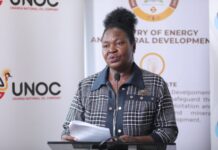
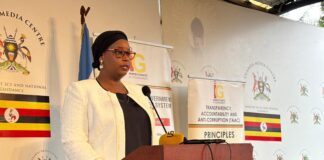
Speaking during the two-day National CSO Convention held on October 1, 2025 at Mestil Hotel in Kampala, Dr. Stephen Okello, Commissioner of the NGO Bureau under the Ministry of Internal Affairs, urged CSOs to remain committed to advancing Uganda’s development agenda.
Dr. Okello also cautioned CSOs about the delicate balance between civic engagement and partisan politics.
“I appeal to the sector to carefully manage the thin line between participating in political processes and engaging in partisan politics,” he said.
This year’s convention, themed “The Future of Civil Society in Uganda: The Law. The Money. The Politics.”, aimed to address the three core pillars affecting the sector. Okello described the theme as both deliberate and timely, noting that these dimensions are critical for the sector’s resilience.
“It reflects the reality that the strength and survival of civil society depend on how well we manage the intersection of legal frameworks, financial sustainability, and political engagement. None of these dimensions can stand alone, they collectively form the foundation of a vibrant and resilient sector,” he added.
Dr. Moses Isooba, Executive Director of the Uganda National NGO Forum, emphasized the need for CSOs to position themselves strategically to safeguard their identity as people-centered institutions. He warned that undermining the sector at this critical time would be counterproductive.
“The national population dynamics are providing us with the connectivity we need to work together. We are at a point where a strong civil society is not optional. Weakening it now would be nothing short of a losing battle,” said Isooba.
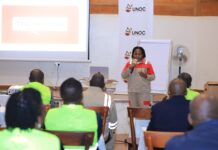
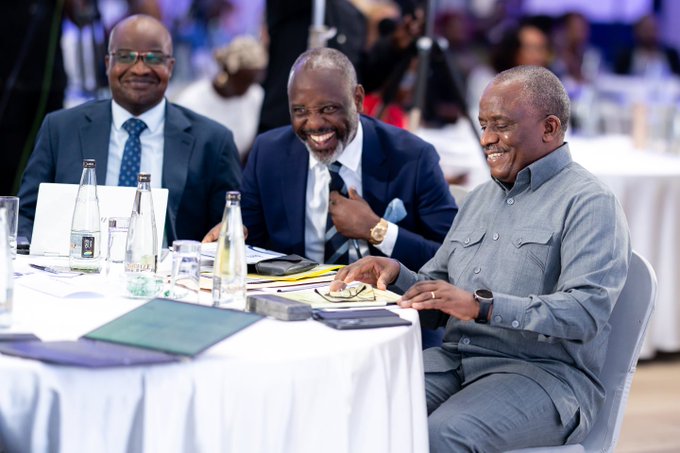
The convention brought together government officials, civil society actors, and development partners to explore how CSOs can navigate Uganda’s evolving legal, financial, and political landscape. It also served as a platform to reflect on proposed amendments to NGO legislation and ongoing discussions about sustainable funding models for the sector.
In his keynote speech, Dr. Okello acknowledged that Uganda’s NGO sector still faces significant challenges that require urgent attention. Registration and regulatory processes remain slow and inefficient, and many NGOs are established without a clear or purposeful mission.
Both government and civil society leaders agreed that the future of Uganda’s NGO sector depends on building trust, strengthening accountability, and safeguarding institutional independence.