
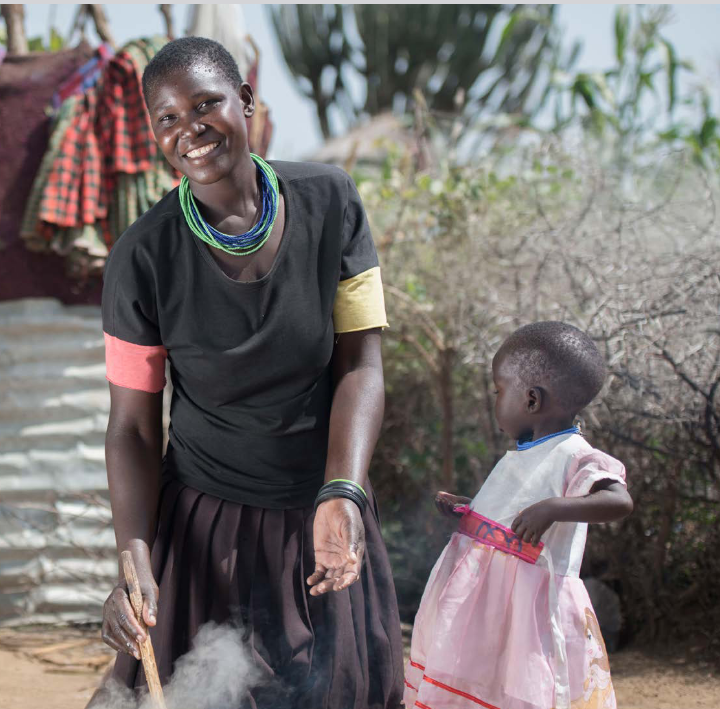
Nakapiripirit was once among the districts worst affected by malnutrition, Nakapiripirit is now showing steady progress in improving maternal and child nutrition. This transformation is driven by strong government and partner interventions under the National Resistance Movement (NRM) administration.
According to the District Health Officer, Dr. John Anguzu, the progress has been achieved through teamwork and coordination among different sectors. The creation of District and Sub-county Nutrition Coordination Committees has improved collaboration between departments such as health, agriculture, community development, and education.
“The nutrition interventions are working. This is because we use a multi-sectoral approach. In the past, nutrition was seen as a health issue alone, but now everyone is involved,” said Dr. Anguzu.
Over the past decade, the Ministry of Health, with support from UNICEF, the World Food Programme (WFP), and other partners, has implemented the Karamoja Nutrition Programme in Nakapiripirit. The programme has strengthened health facilities, trained community health workers, and promoted early detection and treatment of malnutrition among mothers and children.
As a result, the number of children receiving timely nutrition screening and treatment has greatly increased. Local health centers can now identify and treat malnourished children without sending all cases to hospitals, reducing child deaths. Trained Village Health Teams (VHTs) continue to monitor pregnant and breastfeeding women in remote areas, helping them access supplements and health education.
Despite these improvements, seasonal food shortages and poverty still pose challenges. The district is now working with the Office of the Prime Minister and the Ministry of Agriculture to strengthen household food security through nutrition-sensitive farming and school feeding programmes.
Experts say Nakapiripirit’s experience shows that lasting progress in maternal and child health depends on connecting nutrition with livelihoods and education.
Visible gains include wider access to nutrition services, better care for malnourished mothers and children, and improved feeding practices promoted through community outreach.
UNICEF and WFP have pledged to continue supporting districts like Nakapiripirit by providing vitamin A supplements, deworming medicine, and nutrition support for pregnant women. They also plan to reach more children suffering from acute malnutrition with high-quality treatment. These efforts aim to save lives, reduce disease risks, and boost productivity and development among children and women.
With ongoing government commitment and community participation, leaders believe Nakapiripirit is on the path to becoming a model of nutrition resilience in Karamoja—moving from hunger toward lasting hope.