
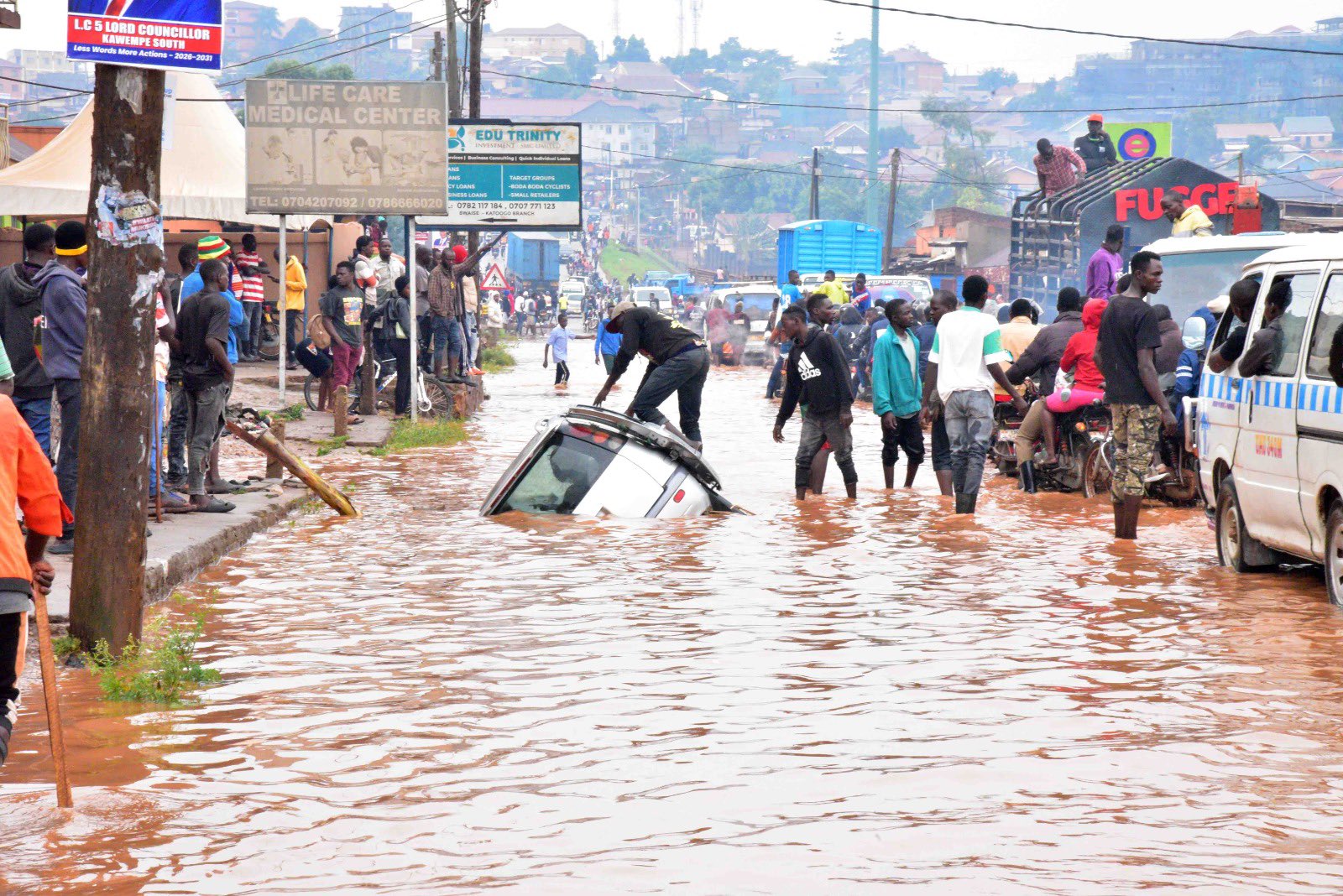
The Uganda National Meteorological Authority (UNMA) has said that the country will continue to experience sustained heavy rainfall nationwide as the September–October–November–December (SOND) enters its final phase.
In its official outlook released on 10th November, 2025, the Department of Meteorological Services (DMS) said that northern and eastern Uganda are expected to receive significant rainfall until mid-November, before a gradual decline sets in.
Central and western regions, including areas around Lake Victoria, the Mount Elgon highlands, the Rwenzori ranges, and parts of southwestern Uganda, are forecast to experience steady and sometimes intensified rainfall throughout the month.
“The prevailing weather conditions are attributed to the sustained presence of rain-bearing systems over the country,” the statement read.
In a joint advisory with the Office of the Prime Minister (OPM), the Ministry of Water and Environment (MoWE) called on government institutions, local authorities, and private entities to review emergency and business continuity plans.
Authorities warned that bridges, feeder roads, and health access routes in flood-prone districts are likely to be affected, urging health facilities to stock adequate medicines and essential supplies in advance.
The Department of Water Resources Monitoring and Assessment has been directed to provide regular updates on rising water levels in rivers and lakes to enable timely action by communities and planners.
Districts experiencing heavy rainfall, flash floods, or landslides have been instructed to identify safe evacuation grounds and educate residents on emergency procedures.
“Evacuation centers may include public places such as markets or health facilities, but schools should not be used to avoid disrupting national examinations,” the Ministry advised.
Local leaders have also been urged to trim trees near buildings, strengthen disease surveillance, and intensify early warning communication through District Disaster Management Committees (DDMCs).
Children in flood-prone areas have been advised to attend school only when conditions are safe and to be accompanied by adults when crossing risky routes.