The Church of Uganda has rolled out a new digital Land Information Management System (LIMS) aimed at safeguarding its extensive land holdings from encroachment, mismanagement, and fraudulent transactions.
The system was unveiled on Wednesday during a one-day training session for Diocesan Secretaries and Estates Officers held at the Provincial Secretariat in Namirembe.
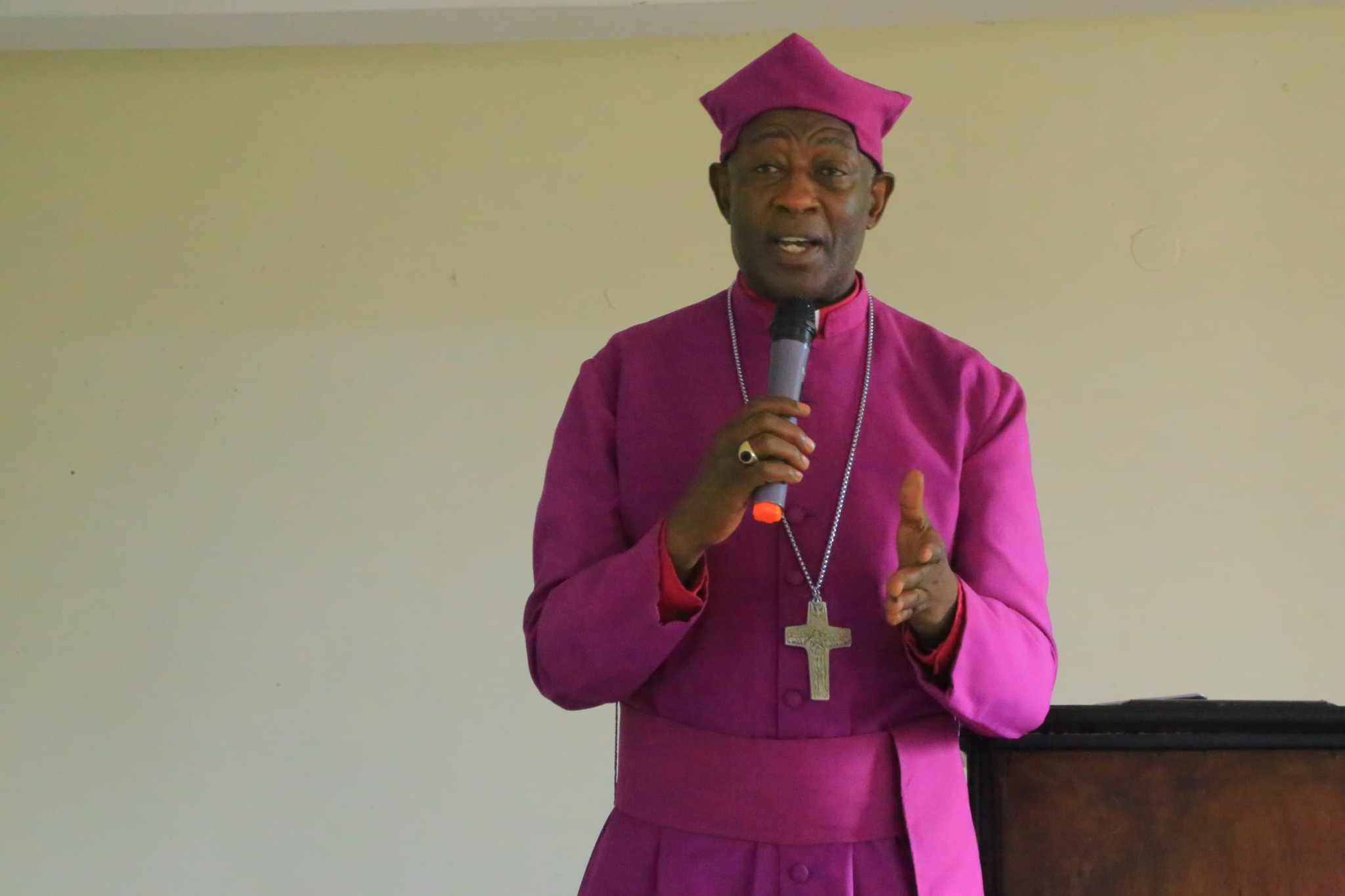
Speaking at the event, the Archbishop of the Church of Uganda, The Most Rev. Dr Stephen Samuel Kaziimba Mugalu, said the digital transformation marks a turning point in how the Church will manage and protect its property.
“We now know what we own. We have the tools to track and protect every piece of land entrusted to us. Anyone who tries to grab Church land will face the full force of the law,” Archbishop Kaziimba said.
The Land Information Management System was developed by the Church Commissioners Holding Company Ltd. It is designed to digitize land records, improve accountability, and provide real-time access to accurate information regarding Church property.
Rev. Dr Jasper Tumuhimbise, CEO of the Church Commissioners Holding Company Ltd, said the system is purpose-built to document and track Church land across all 39 dioceses.
“Once we conclude similar training with the Church’s Registered Trustees, we shall officially roll out the system nationwide,” Dr Tumuhimbise said.
The move comes in response to years of land-related challenges facing the Church, including poor recordkeeping, illegal sales, and unresolved boundary disputes.
According to Rev. Canon William Ongeng, the Provincial Secretary, the system will ensure all Church land is registered under the legal entity of the Registered Trustees of the Church of Uganda. He cautioned dioceses against claiming land ownership individually, stating that they lack the legal standing to do so.
“We have lost valuable property because some leaders ignored policy. To protect Church assets, everything must be registered under the proper legal framework,” he said.
The Church also acknowledged the technical support received from the Ministry of Lands, Housing and Urban Development, particularly during a recent mass land registration exercise. Archbishop Kaziimba praised Lands Minister Judith Nabakooba for her role in the process.
The digitization of land records is expected to prevent duplication and manipulation of land titles, improve transparency, and promote sustainable use of Church land, which often supports schools, health facilities, and community projects.
The new system is part of a broader effort to modernize Church administration and strengthen institutional governance.