
Fresh tensions are brewing within the National Unity Platform (NUP) following the party’s recent candidate vetting process, which left some members contesting the outcome and others threatening to run as independents.
NUP, which recently released a list of candidates for various positions, is now grappling with the fallout from members who feel sidelined.
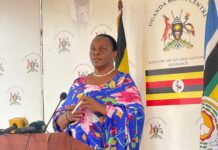
One of the most vocal critics of the party’s selection process, Saudah Madada, a prominent figure within the party was not awarded the party’s ticket despite significant support in her community.
Madada, who had hoped to contest for Kampala Central Lord Councillor seat found herself contesting as an independent after pressure from her voters.
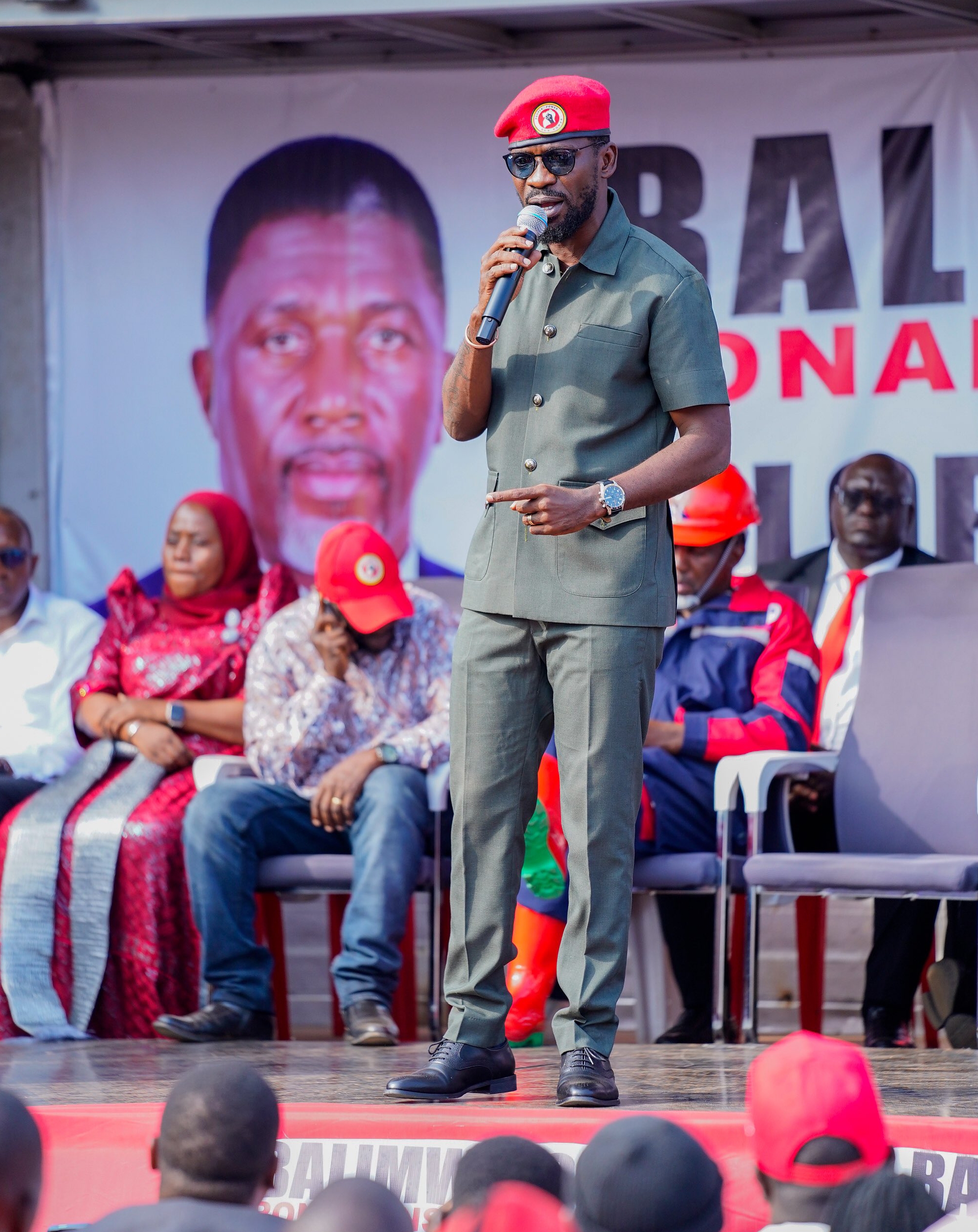
Addressing the situation on Thursday at the NUP party headquarters in Kampala, party leader Robert Kyagulanyi (Bobi Wine) told those left out to remain hopeful and disciplined, assuring them that the party would continue to resolve any issues arising from the vetting process.
“For those who have not got the card, please take it as those who have won were chosen to lead us for a short time and please don’t give up, don’t lose hope and you are also as useful as those who got the cards. I also had relatives in the party who were not given the card,” Kyagulanyi said.
However, Kyagulanyi’s message appeared to fall on deaf ears for some, particularly for those like Saudah Madada, and Kasolo who felt that the process was not transparent or inclusive. Madada’s strong support base within her constituency had led many to believe she was a frontrunner for the party’s endorsement, making her exclusion more contentious.
Kyagulanyi acknowledged that while the party’s process was not perfect, it was crucial for maintaining discipline and unity within NUP. He also urged those who had received the party ticket to remain humble and avoid complacency.
“For those that got the card, please remain disciplined and don’t be proud. We have managed to sort out some issues of the people complaining and we continue to do so. We may not be perfect, but the system can’t allow us to hold perfect primaries,” Kyagulanyi added.
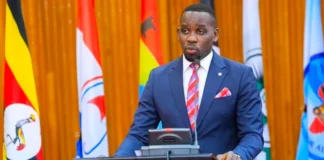
Alex Waiswa Mufumbiro, NUP’s deputy spokesperson, emphasized that the party had received over 60,000 applications from individuals seeking candidacy but could only select a limited number of individuals.
He conceded that errors had occurred, but stressed that such issues were expected in a process of this scale. Mufumbiro also warned that any candidates who chose to run as independents were effectively leaving the party.
“We got over 600 petitions out of 60,000 people who put in expressions of interest, so that means they did well, and there’s always a margin of error. Even with those who are leaving, NUP is still strong, so whoever has gone as independent has left the party, and there is nothing like being in NUP and independent,” Mufumbiro said.
Despite the party’s efforts to quell the unrest, the dispute over candidate selection continues to overshadow NUP’s campaign preparations.
Most of the party outsiders view the process as a failed strategy, for a party that was gaining ground, NUP stands to lose significant support from major strongholds exiting to join rival political parties.
As the 2026 elections draw near, if the NUP leadership can navigate this period of internal conflict and reestablish itself as a united force, it will still stand a strong chance in the upcoming elections. However, if these tensions persist without resolution, it could become a defining weakness their oppostion will readily exploit.