
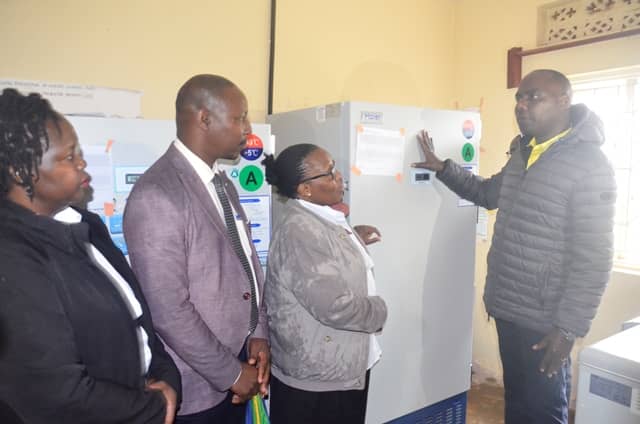
As part of a major initiative to strengthen rural healthcare infrastructure, the Bank of Uganda (BoU) has donated a solar-powered blood refrigerator valued at UGX 35 million to Hamurwa Health Center IV in Rubanda District. The donation aims to enhance emergency medical services in a region frequently affected by power outages.
This contribution is part of the central bank’s ongoing Corporate Social Responsibility (CSR) program, themed Maternal and Child Health Care for a Healthy Society.
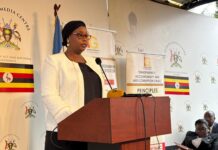
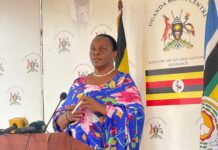
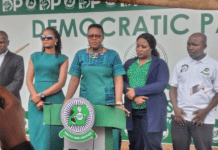
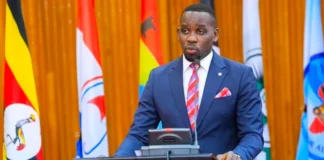
The equipment was officially commissioned by Hon. Henry Musasizi, State Minister of Finance, Planning, and Economic Development (General Duties), who commended the effort as a practical solution to the healthcare challenges facing rural communities.
“This donation will significantly improve the quality of healthcare for the over 8,000 residents served by Hamurwa Health Center IV,” said Minister Musasizi. “It aligns with our broader development priorities, which include healthcare, education, road infrastructure, clean water, and electricity.”
The solar-powered refrigerator ensures continuous and safe storage of blood, an essential need in emergencies and maternal healthcare. Previously, Hamurwa Health Center IV faced major difficulties in storing blood due to unreliable electricity, a common hurdle in rural healthcare delivery.
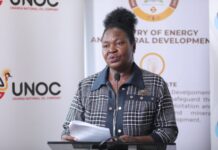
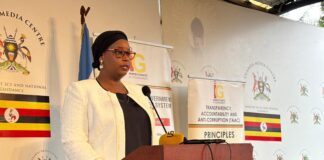
Susan Kanyemibwa, Secretary of the Bank of Uganda and head of the CSR program, reaffirmed the bank’s commitment to community development through impactful social investments.
“Bank of Uganda understands that financial well-being begins with good health. That is why we continue to support healthcare infrastructure that delivers life-saving services,” she stated.
The Rubanda donation is one of 13 similar interventions made by the central bank at health centers across the country.
Dr Abdon Birungi, Rubanda District Health Officer, emphasized the transformative impact of the equipment.
“This refrigerator addresses a critical, long-standing challenge in our emergency response capabilities. It is both timely and life-saving,” he noted.
Beyond the equipment itself, the donation symbolizes a shared commitment to bridging the rural-urban health divide through innovative and sustainable solutions that strengthen local health systems.