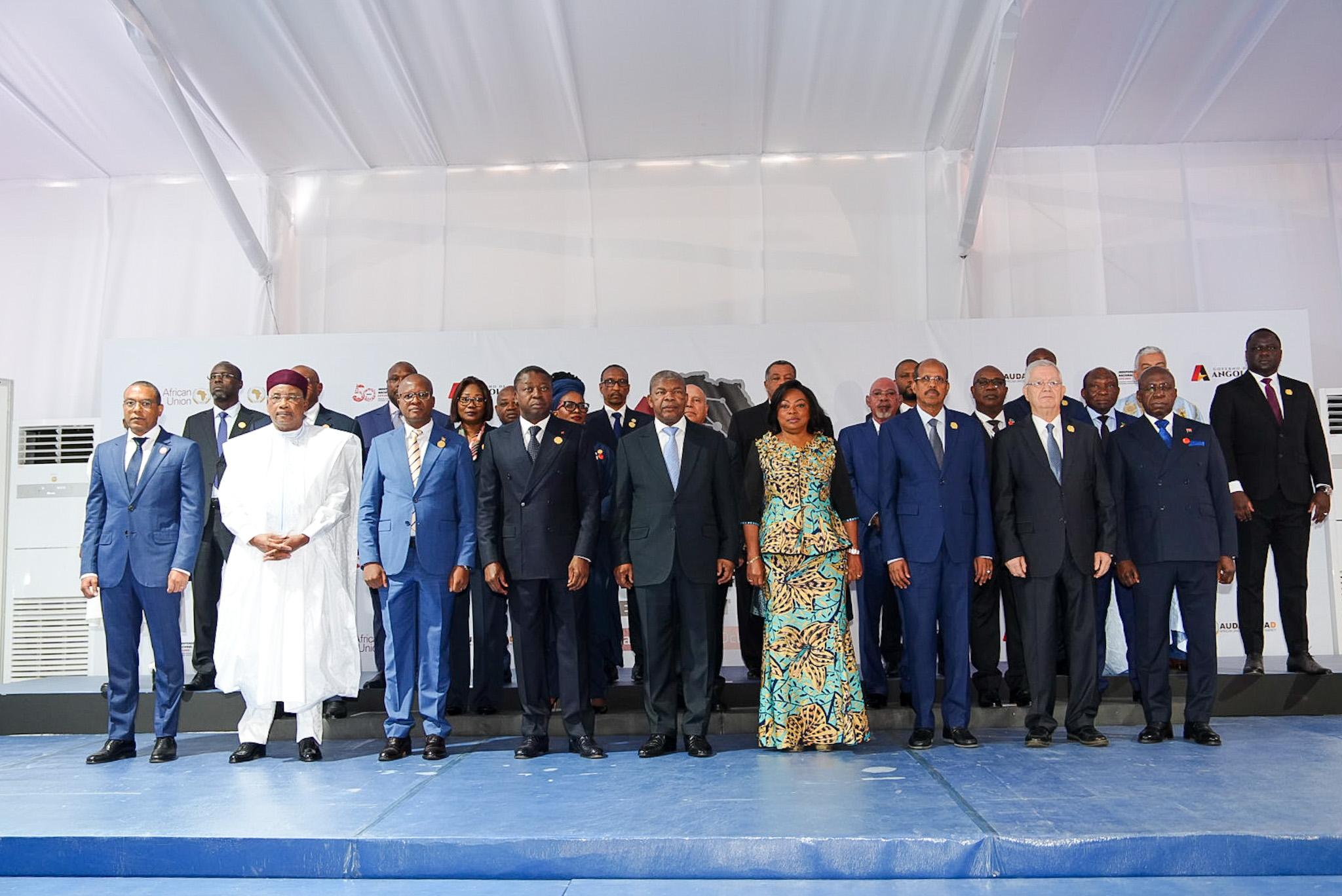
Africa’s infrastructure conversation has taken a business-focused turn as political leaders, investors, and financiers gather in Luanda, Angola, for the Third African Union Summit on Financing Infrastructure Development in Africa. The meeting aims to position the continent as a major destination for private investment.
According to the host, President João Lourenço of Angola, this year’s summit is different from past meetings that focused mainly on policy discussions. Instead, it is designed as a marketplace for ready-to-invest, high-return infrastructure projects.
With Africa facing an estimated $100 billion annual infrastructure financing gap, governments are now seeking to reduce dependence on foreign aid and instead attract domestic and private capital to fund roads, energy projects, and digital networks.
Uganda’s delegation, led by Foreign Affairs Minister Gen. Jeje Odongo, who represented President Yoweri Kaguta Museveni, joined other leaders and business executives under the theme:
“Capital, Corridors, Trade: Investing in Infrastructure for the African Continental Free Trade Area (AfCFTA) and Shared Prosperity.”
“Africa’s infrastructure future depends on how well we blend public policy with private investment. We must build investor confidence by presenting well-prepared, transparent, and profitable projects,” Gen. Odongo said in Luanda.

The four-day summit, hosted under the patronage of President Lourenço, has attracted representatives from major financial institutions such as the African Development Bank (AfDB), the World Bank, and several private equity firms exploring opportunities in energy, logistics, and digital transformation.
The African Union Commission and AUDA-NEPAD, co-organizers of the summit, are promoting a new model of African growth, one built on commercial viability and regional cooperation, rather than reliance on donor aid.
Key sessions are focusing on domestic financing, green and climate-resilient infrastructure, cross-border transport corridors, and industrialization financing. Policymakers are also exploring how digital infrastructure can strengthen trade across Africa under the AfCFTA framework.
Economists believe this shift toward investment-driven financing could mark a turning point for Africa’s development, if governments maintain transparency and stable policies.
“This summit is not just about promises; it’s about practical commitments. Uganda supports every effort that helps Africa finance its own development,” Gen. Odongo added.
Under President Museveni, Uganda has prioritized infrastructure as the foundation of economic transformation, investing in energy access, transport networks, and digital systems that enable trade and innovation.
With 65% of Africa’s population under the age of 35, leaders at the summit also linked infrastructure investment to job creation and innovation; key drivers that could shape Africa’s economic future.
By the close of the Luanda Summit on October 31, African leaders are expected to unveil a joint framework to make projects more bankable and attract blended financing, signaling a shift from planning to action.