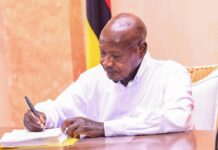
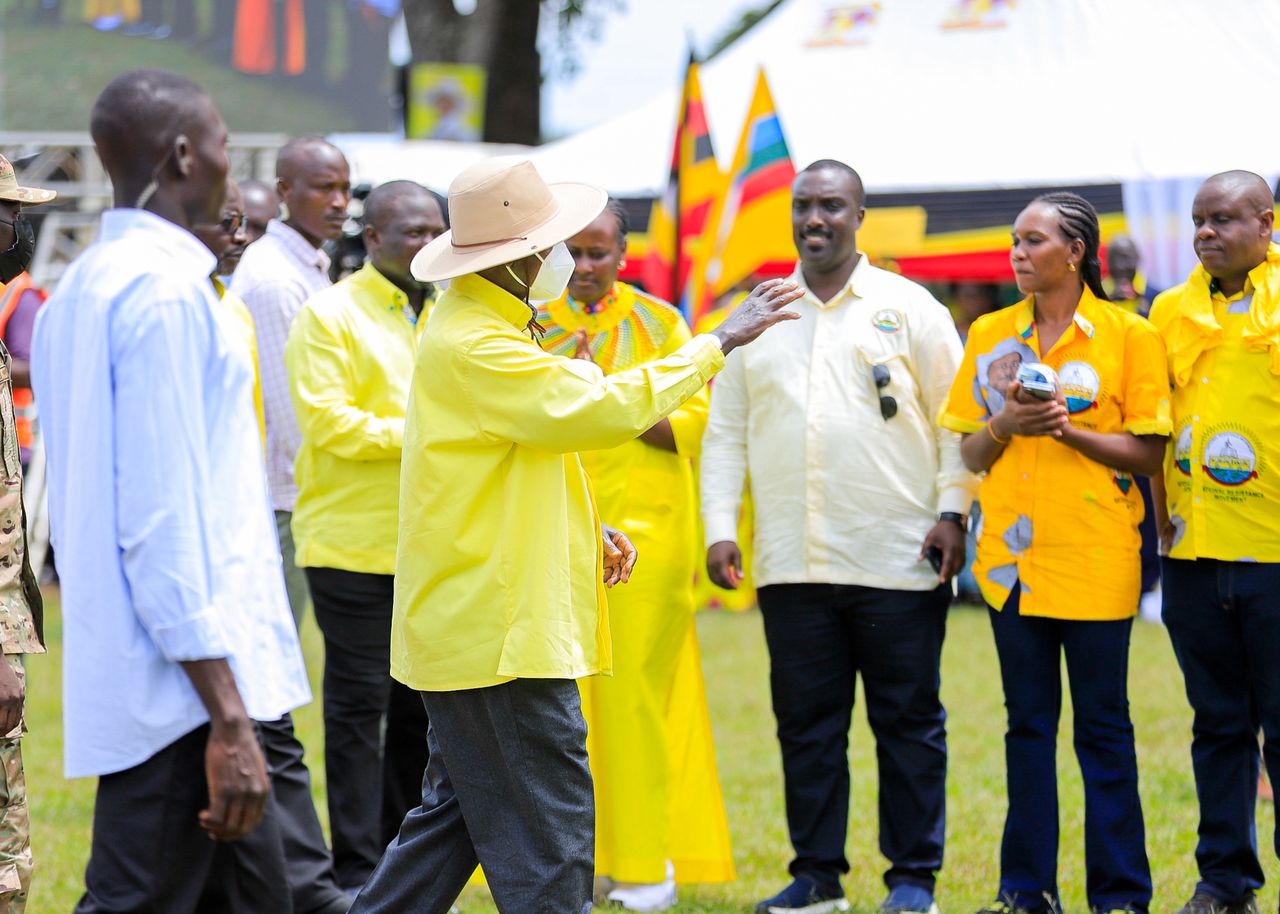
President Yoweri Kaguta Museveni has vowed to fast-track compensation for residents who lost cattle during past insurgencies in northern Uganda, describing it as a matter of justice and national healing.
The pledge came as the National Resistance Movement (NRM) flag bearer campaigned in Pader and Kitgum districts on Wednesday 23rd October, 2025, where he also reinforced his message of infrastructure development and household wealth creation.
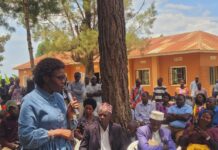
Speaking to a jubilant crowd at Pajule Primary School in Pader, Museveni said the government remains committed to fulfilling its promise of compensating war-affected families, many of whom lost thousands of livestock during decades of instability.
“I have directed my office to compile all pending pledges and ensure that the issue of cattle compensation is resolved once and for all. Our people who lost their animals must be helped to rebuild their livelihoods,” Museveni declared, drawing loud cheers from the crowd.
The President explained that the compensation process had been slowed down by verification challenges and fraudulent claims but assured residents that genuine cases would soon be settled.
“This is not charity; it is justice. Those who genuinely lost their cattle during the insurgency deserve to be compensated,” he said.
He adds that he had instructed the Attorney General and Ministry of Finance to prioritize the pending payments.
In Kitgum, where he addressed supporters at the Peace Grounds, Museveni emphasized that compensation would go hand in hand with the government’s broader economic recovery agenda for northern Uganda.
He outlined a strategy combining wealth creation initiatives, restocking programs, and infrastructure investments aimed at transforming the Acholi sub-region from subsistence to commercial production.
“We are not just paying for what was lost. we are building for the future. We want every household to be part of the money economy,” he said.
Museveni reiterated his campaign theme that Uganda’s transformation depends on strong infrastructure and urged leaders and citizens to focus first on essentials like roads, power, water, education, and health before pursuing other development programmes.
“Before we talk about other things, let’s first ensure that we have the essentials defense, health, roads, and education. Once we strengthen these, other programmes can follow,” Museveni told the Pader rally.
He cited progress made in the region, noting that 90% of villages in Pader now have access to safe water through boreholes and that the number of government secondary schools offering A-Level education has significantly increased since the 1960s.
Museveni also expressed concern about poor maintenance of district roads, warning that neglecting drainage and culverts would reverse gains made in infrastructure.
Turning to household incomes, Museveni passionately urged residents to adopt the “four-acre model” to escape poverty.
He said the model which divides small landholdings into sections for cash crops, fruit trees, livestock, and food crops has helped farmers in other regions achieve financial independence.
“I met a man who produces 900 litres of milk a day and earns over a million shillings a month. That is how families become prosperous. You don’t need a lot of land, you just need planning,” he said.
He encouraged residents to engage in productive farming, use solar energy, and take advantage of the Parish Development Model (PDM) to access financial support for agribusiness ventures.
“When people are busy farming, producing, and earning, poverty will disappear from Uganda,” Museveni said, adding that government programmes work best when citizens also take initiative.
Museveni’s message in Pader and Kitgum underscored the NRM’s broader campaign theme peace, development, and shared prosperity. He reminded residents that under previous regimes, the north had been left behind by war and division, but the NRM had restored unity and peace
“The NRM built peace by rejecting sectarianism. We said we don’t care about tribe or religion, but about capability and service. That is how we united Uganda and built a strong army,” he said.
Museveni’s promise to settle the cattle compensation question and accelerate wealth creation efforts could redefine political momentum in northern Uganda, a region whose political loyalties have long been contested but whose development narrative remains central to the NRM’s re-election strategy.